
The Rise and Fall of Microdosing
Once upon a time in the land of techies and biohackers, microdosing was the latest craze. People were popping tiny amounts of psychedelics like psilocybin mushrooms or LSD, hoping for a mood lift without the full-on psychedelic trip. The idea was to enhance focus, mood, and even libido—a Swiss Army knife for the mind. But not everyone was convinced. Could a mere sliver of LSD really bring about such profound changes?
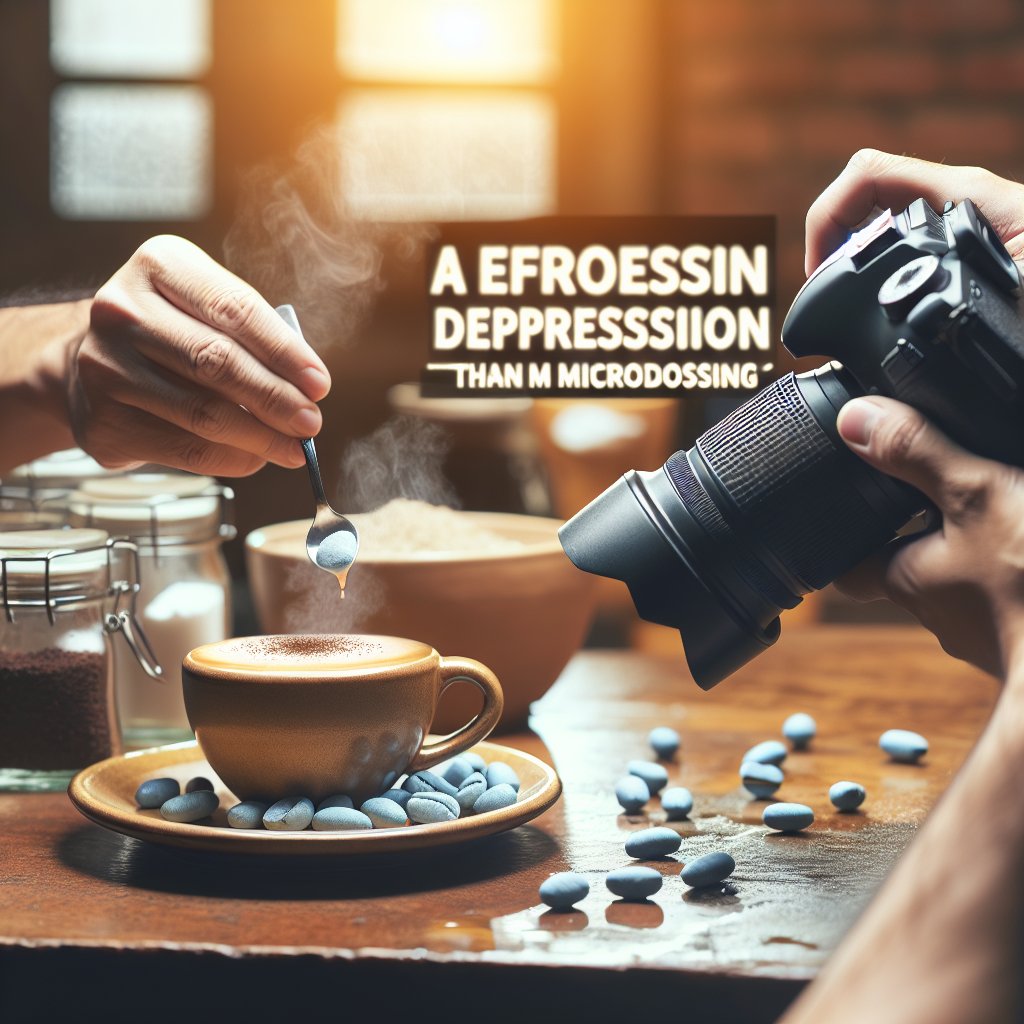
Fast forward to today, and a new study by MindBio Therapeutics is throwing a wet blanket on the microdosing hype. This Australian company conducted a Phase 2B trial involving 89 adults with major depressive disorder. Their findings? Microdosing LSD didn’t outperform a placebo. In fact, it was outdone by a simple caffeine pill. So much for the psychedelic revolution in mental health.
The Study That Changed the Game
MindBio’s study was no half-baked experiment. Over eight weeks, the participants’ depression symptoms were monitored using the Montgomery-Åsberg Depression Rating Scale (MADRS), a gold standard in clinical depression evaluation. The results were eye-opening. Those given a placebo—specifically, a caffeine pill—saw better improvements in their MADRS scores than those microdosing LSD.
The study, though not yet published, was touted by MindBio’s CEO, Justin Hanka, as the most rigorous placebo-controlled trial in microdosing research. The LSD doses ranged from 4 to 20 micrograms—barely enough to tickle the brain, let alone send it on a psychedelic journey. Yet, it seems a good old caffeine jolt was more effective at boosting mood. Perhaps all we needed was a strong cup of coffee.
Placebo Power: More Than Meets the Eye
Why did a caffeine pill outperform LSD in this study? It boils down to the power of expectation. In psychedelic trials, participants often anticipate some mind-altering effects. To keep things fair, researchers use ‘active placebos’ like caffeine, which have mild psychoactive properties of their own. This way, participants can’t easily guess if they’re getting the real deal or a placebo.
In this case, the caffeine pill did more than just keep participants guessing—it actually improved their mood. It’s a testament to the placebo effect’s power. Our brains can be surprisingly gullible, and sometimes, the belief that something will work is enough to make it happen. It’s a fascinating insight into human psychology, and one that challenges the perceived magic of microdosing.
The Real Takeaway: Keep It Simple
So, what does this mean for those battling depression? It suggests that we might be overcomplicating things. Instead of reaching for the latest trendy solution, sometimes the simplest answers are the best. A cup of coffee might not be the miracle cure, but it’s a reminder that small, everyday actions can have a big impact on our mental well-being.
While the allure of psychedelics is strong, this study serves as a wake-up call. Before jumping on the latest health trend, it’s worth considering the basics. A balanced diet, regular exercise, and yes, even a good cup of coffee, can all play a role in managing depression. It’s a no-nonsense approach that’s hard to argue with—and one that might just save you a trip down the psychedelic rabbit hole.
Facts Worth Knowing
- •💡 Microdosing involves taking small amounts of psychedelics like LSD or psilocybin.
- •💡 MindBio Therapeutics found caffeine pills outperformed LSD in a depression study.
- •💡 The placebo effect can be powerful, sometimes surpassing expected drug effects.