
Microplastics: The Unseen Ingredient
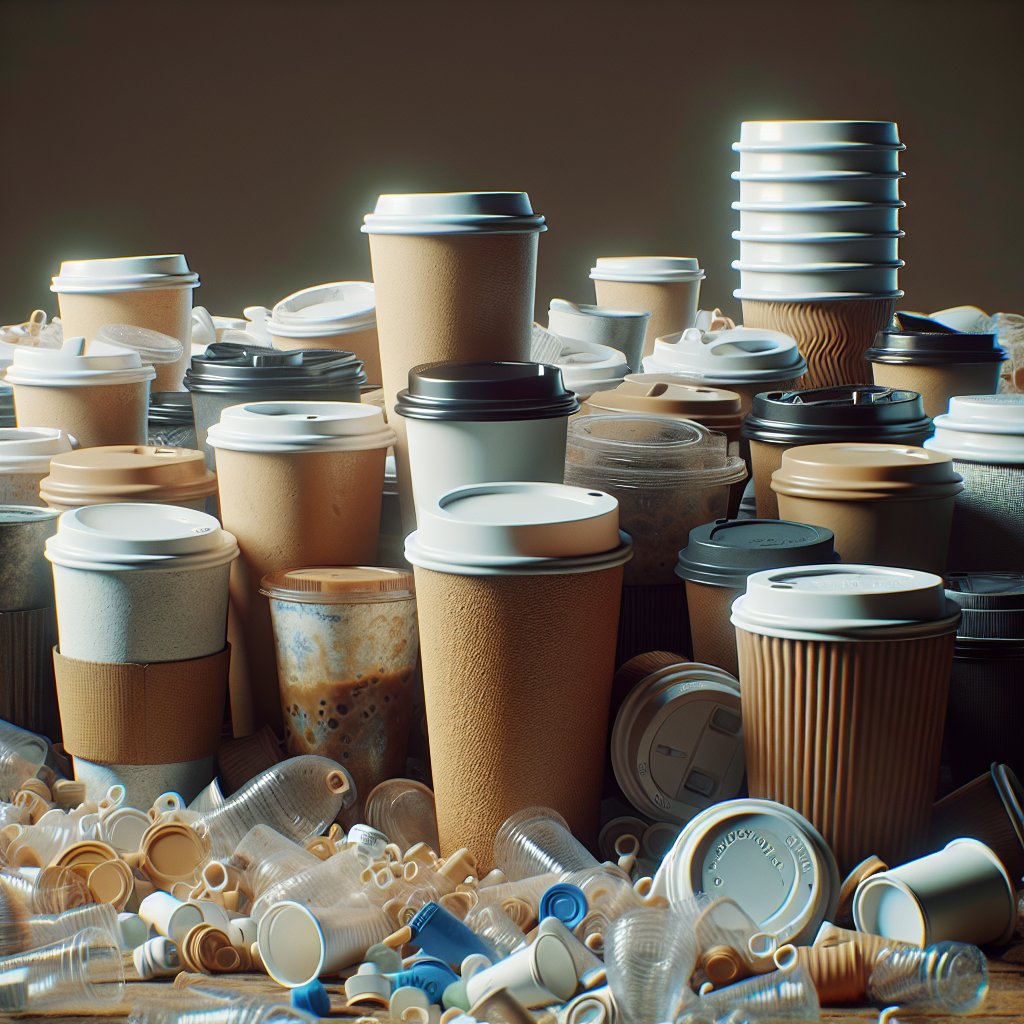
Every time you grab a to-go coffee, you might be getting more than just a caffeine boost. Recent research shows that disposable coffee cups can release microplastics into your drink, especially when filled with hot liquids. These tiny particles, smaller than 5 millimeters, are not just floating innocuously in your cup—they’re potentially making their way into your body, with unknown long-term health effects. Microplastics can accumulate in your organs and may cause inflammation or other health issues. The study, published in the Journal of Hazardous Materials: Plastics, highlights a growing concern about our daily coffee habits and the materials we use.
The Science of Microplastic Release
Researchers took a deep dive into the mechanics of microplastic release by examining data from 30 studies, focusing on how temperature and time affect microplastic shedding from plastic products. They found that as water temperature increases, so does the release of microplastics. Polymers like polyethylene (PE), polypropylene (PP), and others showed significant shedding when exposed to hot water. Interestingly, the duration of exposure had little impact compared to temperature. A case study comparing PE cups and PE-coated paper cups revealed that hot conditions caused more particles to leach from PE cups than their paper counterparts.
The microscopic analysis showed that the surface of PE cups became rougher after exposure to hot water, leading to greater microplastic shedding. In contrast, PE-coated paper cups maintained a smoother surface, which likely contributed to their lower release rates. The study estimated that someone drinking 300 milliliters of coffee daily from PE cups could ingest around 363,000 microplastic particles annually, compared to 244,000 from PE-coated paper cups. This suggests that while paper cups aren’t perfect, they’re a better choice than pure plastic.
Choosing Safer Cup Options
So, what’s a coffee lover to do? Lauren Gropper, CEO and Founder of Repurpose, recommends ditching disposable plastic cups altogether. She suggests using reusable options made from stainless steel or ceramic, which are inert and won’t react with hot liquids. These materials offer a safe and sustainable way to enjoy your morning brew without the added microplastic risk. If you must use disposables, Leah Ford from CJ Biomaterials advises opting for paper cups lined with compostable biopolymers like polyhydroxyalkanoate (PHA). This material is designed to biodegrade without leaving behind persistent microplastics.
PHA is made by fermenting plant sugars and is considered a food source for microorganisms, making it environmentally friendly. Ford notes that PHA is also bioabsorbable by the human body and used in medical devices, adding a layer of safety. Look for compostability certifications from organizations like the Biodegradable Products Institute (BPI) to ensure your cup meets these standards. These certifications test for compostability, biodegradability, and the absence of harmful substances, providing peace of mind for both your health and the environment.
A Practical Takeaway
The takeaway here is simple: be mindful of what you’re sipping from. While the convenience of disposable cups is undeniable, the potential health risks from microplastics should give us pause. Opt for reusable or compostable options whenever possible. It’s a small change that can make a big difference for both your health and the planet. Remember, your morning coffee ritual doesn’t have to come with a side of microplastics.
In a world where convenience often trumps caution, taking a moment to choose the right cup can spare you from ingesting thousands of microplastic particles annually. Whether it’s investing in a sturdy stainless steel mug or seeking out certified compostable paper cups, the choices are there. It’s about time we took our coffee with a grain of salt—and a little less plastic.