

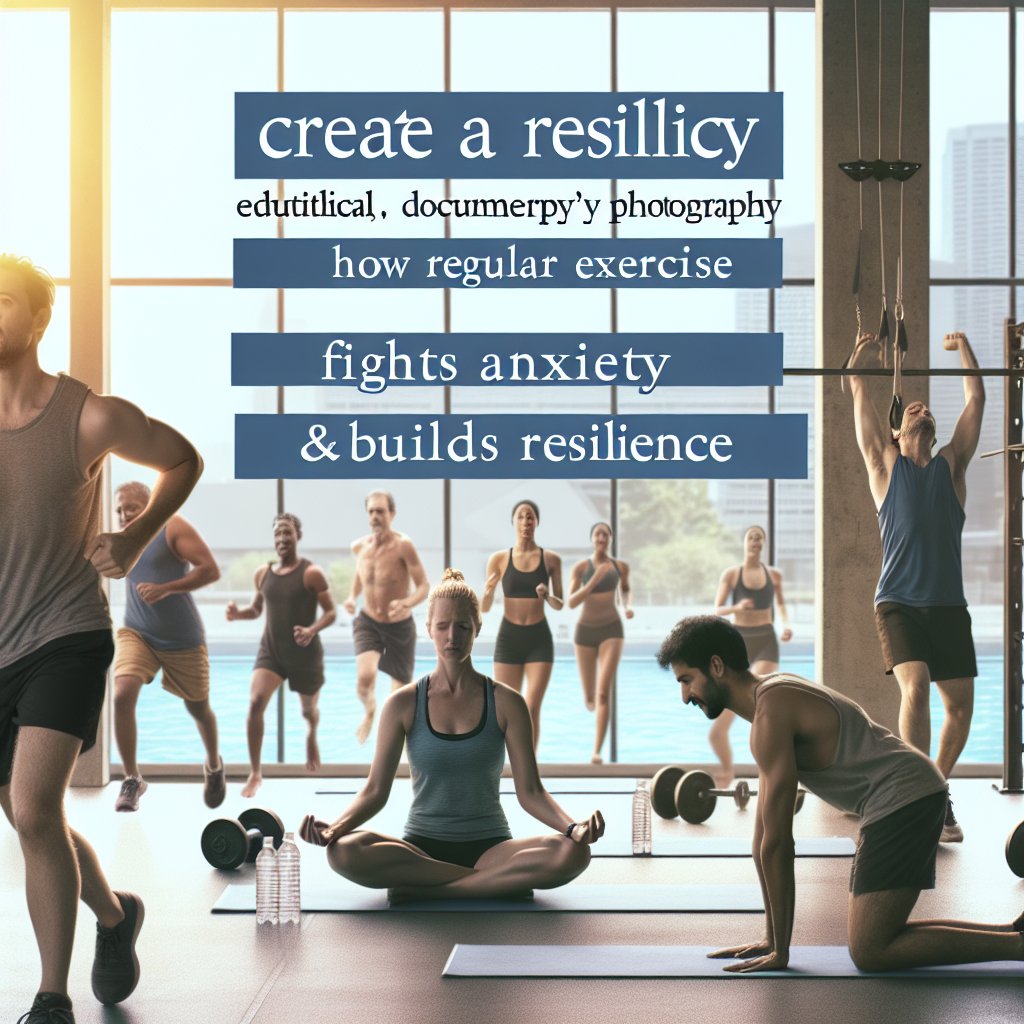
The Science Behind Exercise and Emotional Resilience
Exercise isn’t just about chiseling those biceps or fitting into your favorite jeans. Recent studies have shown that higher levels of physical activity can make you more resilient during stressful situations. It turns out that your physical fitness level might be a secret weapon against anxiety. In a study published in Acta Psychologica, researchers found that individuals with higher cardiorespiratory fitness displayed lower anger levels and greater emotional resilience. It’s as if your morning jog is doing double duty—keeping you fit and emotionally stable.
The research involved 40 healthy participants aged 18 to 40, divided into above-average (AA) and below-average (BA) fitness groups. These folks were exposed to a series of unpleasant images, and their anxiety and anger levels were measured. The results? Those in the AA fitness group stayed calmer, with a 775% lower risk of anxiety escalation compared to their BA counterparts. This suggests that a higher fitness level doesn’t just help you lift more weights but also helps you lift your spirits.
Beyond the Gym: The Broader Benefits of Physical Activity
Physical activity is a powerhouse of benefits beyond just managing anxiety. According to the World Health Organization, regular exercise can help prevent and manage conditions like cardiovascular disease, cancer, and diabetes. It’s like a Swiss army knife for your health—versatile and indispensable. Additionally, the Centers for Disease Control and Prevention notes that exercise can improve sleep, boost your mood, and enhance overall well-being.
A 2023 review highlighted that increased physical activity could reduce the effects of psychotic symptoms and manage medical comorbidities associated with psychotic disorders. So, while you’re sweating it out, you’re also potentially warding off a host of health issues. The takeaway? Lace up those sneakers and get moving. Your body and mind will thank you.
Getting Started: Overcoming the Mental Block
Sometimes, the biggest hurdle to exercising is mental, not physical. It’s easy to feel like your mental health is a barrier to getting active, but it doesn’t have to be. Dr. Nissa Keyashian suggests finding a fun or interesting activity that you can commit to regularly. Whether it’s yoga, dancing, or even a brisk walk, the key is to find something you enjoy.
Setting small, achievable goals can help you get started. Celebrate your progress, no matter how small it seems. Dr. Keyashian recommends letting go of judgment and acknowledging every step forward. Maybe reward yourself with a favorite movie or meal after a workout. It’s about creating a positive feedback loop that encourages you to keep going.
Alternative Stress and Anxiety Management Techniques
While exercise is a fantastic tool for managing stress and anxiety, it’s not the only one in your toolkit. According to the National Institute of Mental Health, understanding your stress triggers is crucial. Identifying these can help you develop effective coping strategies.
The NIMH suggests maintaining a regular sleep routine, limiting caffeine, challenging negative thoughts, and reaching out to supportive friends and family. Keeping a journal can also be beneficial. If stress and anxiety are affecting your daily life, consider speaking with a mental health professional. Sometimes, a little guidance can make all the difference.