

Ring’s Controversial Partnerships
Amazon-owned Ring has long been a point of contention for privacy advocates, primarily due to its partnerships with police departments. These collaborations allowed authorities to access surveillance footage without judicial oversight, raising significant privacy concerns. The company’s recent attempt to integrate with Flock Safety, a firm known for license plate reader technology, has only added fuel to the fire. Though Ring claimed the integration was never launched, the potential for increased surveillance was enough to spark backlash.
Ring’s decision to backtrack on the Flock integration came shortly after airing a Super Bowl ad featuring its new Search Party feature. This tool, designed to help locate lost pets, raised eyebrows as many viewers speculated it could be repurposed for tracking people. The company has since stated that the integration would require more resources than anticipated, effectively shelving the project—for now.
The Super Bowl Ad That Raised Eyebrows
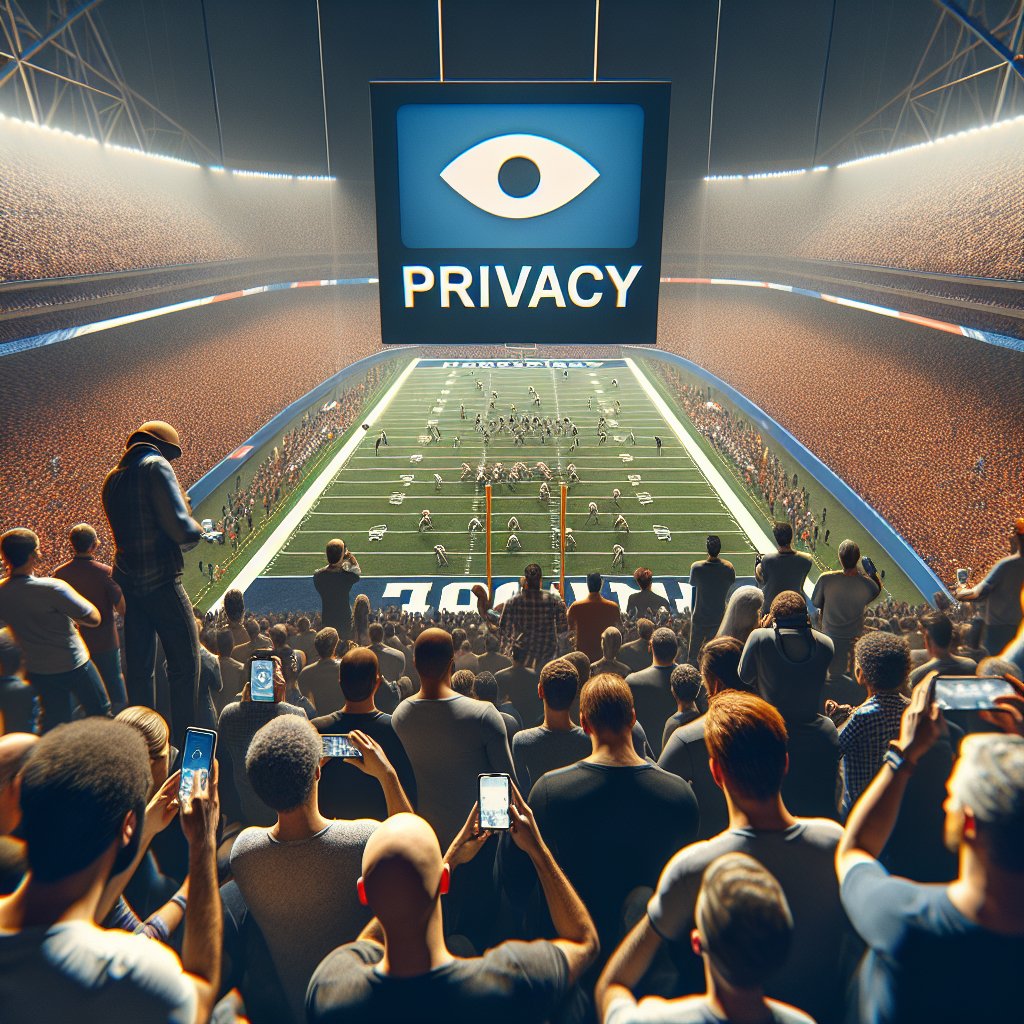
During the Super Bowl, Ring unveiled its Search Party feature, which uses AI to help families find lost dogs. While the concept seemed innocuous, it quickly drew criticism. Many viewers questioned whether the technology could be misused for tracking people instead of pets. This skepticism is not unfounded, given Ring’s history of privacy issues.
The ad’s timing couldn’t have been worse, coinciding with growing public concern over surveillance and privacy rights. The backlash was swift, with critics arguing that if the technology can locate dogs, it could just as easily be used to track individuals. This concern is particularly poignant in a society increasingly wary of surveillance overreach.
Flock Safety and the Surveillance Debate
Flock Safety’s technology has been controversial due to its extensive surveillance capabilities. The company’s network of license plate readers has been criticized for enabling dragnet surveillance, with reports suggesting that ICE has used this technology to aid in immigration enforcement. This has only added to the public’s unease about privacy.
The potential partnership between Ring and Flock Safety raised alarms among privacy advocates. The idea of combining Ring’s video surveillance with Flock’s license plate tracking was seen as a step too far, even in a world accustomed to constant monitoring. The uproar over the Super Bowl ad only intensified these concerns, prompting Ring to reconsider its plans.
The Future of Surveillance Technology
As technology advances, so do the methods of surveillance. Companies like Ring and Flock Safety are at the forefront of this trend, pushing the boundaries of what’s possible—and acceptable. However, as public awareness and concern grow, these companies may find themselves needing to adapt or face backlash.
The controversy surrounding Ring’s Super Bowl ad and its partnership with Flock Safety highlights a broader societal debate about privacy and surveillance. As technology continues to evolve, the balance between safety and privacy will remain a contentious issue. For now, Ring’s decision to pause its Flock integration may be a temporary win for privacy advocates, but the conversation is far from over.
Facts Worth Knowing
- •💡 Ring has faced criticism for its partnerships with police departments.
- •💡 Flock Safety’s technology is used by law enforcement for license plate tracking.
- •💡 The Super Bowl ad sparked privacy concerns over potential misuse of Ring’s Search Party feature.