


What Is Testosterone and Why Does It Matter?
Testosterone stands as the primary male sex hormone, orchestrating everything from muscle development and bone density to mood regulation and sexual function. Produced primarily in the testicles, with smaller amounts manufactured in the adrenal glands, this powerful steroid hormone influences virtually every aspect of male physiology. Beyond its reproductive functions, testosterone serves as a metabolic regulator, affecting how your body burns fat, builds muscle, and maintains energy levels throughout the day.
The hormone operates through a complex feedback system involving the hypothalamus, pituitary gland, and testicles, known as the hypothalamic-pituitary-gonadal axis. When testosterone levels drop, the brain signals for increased production, while elevated levels trigger a reduction in synthesis. This delicate balance maintains optimal hormone concentrations, though various factors including age, lifestyle, stress, and medical conditions can disrupt this natural regulation. Understanding testosterone’s multifaceted role helps explain why declining levels can impact everything from physical performance to mental clarity and emotional well-being.
Where Testosterone Is Produced in the Body
The testicles produce approximately 95% of male testosterone through specialized Leydig cells, which respond to luteinizing hormone signals from the pituitary gland. These cells convert cholesterol into testosterone through a series of enzymatic reactions, producing roughly 7 milligrams daily in healthy adult males. The remaining 5% originates from the adrenal glands, which sit atop the kidneys and contribute to overall hormone balance. This dual production system provides redundancy, though testicular production remains the dominant source throughout most of a man’s life.
Production follows a circadian rhythm, with peak levels typically occurring in the early morning hours and gradually declining throughout the day. This natural fluctuation explains why many men experience higher energy and motivation in the morning, with potential fatigue setting in during afternoon hours. Age significantly impacts production capacity, with levels beginning to decline around age 30 at a rate of approximately 1% per year. Environmental factors, including sleep quality, stress levels, nutrition, and physical activity, can either support or hinder optimal production regardless of age.
The Role of Leydig Cells in Hormone Production
Leydig cells function as the body’s primary testosterone factories, responding to luteinizing hormone pulses by rapidly converting cholesterol precursors into active testosterone. These specialized cells contain high concentrations of steroidogenic enzymes, including 17β-hydroxysteroid dehydrogenase and cytochrome P450 enzymes, which facilitate the multi-step conversion process. The efficiency of this cellular machinery determines overall testosterone output, with healthy Leydig cells capable of dramatically increasing production when stimulated by appropriate hormonal signals. Factors that support Leydig cell health include adequate zinc intake, vitamin D sufficiency, and protection from oxidative stress through antioxidant consumption.
Normal Testosterone Levels Across Different Demographics
Adult males typically maintain testosterone levels between 300-1,000 ng/dL (nanograms per deciliter), with most healthy men falling within the 400-700 ng/dL range. However, these reference ranges represent population averages rather than individual optimization targets, as some men function optimally at the lower end while others require higher levels for peak performance. Age plays a crucial role in determining normal ranges, with men in their 20s and 30s often maintaining levels above 600 ng/dL, while those over 60 may experience healthy function with levels around 400-500 ng/dL.
Women naturally produce much smaller amounts of testosterone, typically ranging from 15-70 ng/dL, though this hormone remains important for female bone health, muscle maintenance, and libido. Interestingly, when examining testosterone levels across species, significant variations emerge. Male gorillas, despite their impressive size and strength, maintain testosterone levels similar to human males, typically ranging from 400-800 ng/dL. Dogs show considerable breed variation, with larger breeds generally producing higher levels than smaller breeds, though specific measurements depend on factors including age, health status, and reproductive condition.
How Much Testosterone Do Women Have Compared to Men
Women produce testosterone at levels roughly 10-15 times lower than men, with healthy adult females maintaining concentrations between 15-70 ng/dL. This seemingly small amount plays disproportionately important roles in female physiology, supporting bone density, muscle mass maintenance, cognitive function, and sexual desire. Women’s testosterone production occurs primarily in the ovaries and adrenal glands, with levels fluctuating throughout the menstrual cycle and declining significantly after menopause. Despite lower absolute levels, women often show greater sensitivity to testosterone’s effects, meaning small changes can produce noticeable impacts on energy, mood, and physical performance.
How Testosterone Is Measured and Tested
Testosterone measurement requires blood testing, typically performed in the morning when levels peak naturally. Healthcare providers usually order total testosterone as an initial screening, which measures both bound and free hormone circulating in the bloodstream. However, total testosterone alone may not provide the complete picture, as much of the hormone binds to sex hormone-binding globulin (SHBG) and albumin, rendering it biologically inactive. Free testosterone, representing the unbound and immediately available hormone, often provides more clinically relevant information about hormone status.
Modern testing methods include serum analysis through venous blood draws, saliva testing for free hormone levels, and specialized assays measuring bioavailable testosterone. Each method offers distinct advantages, with serum testing providing the most comprehensive results for clinical diagnosis. Home testing kits have gained popularity, offering convenient screening options, though professional interpretation remains essential for accurate assessment. Factors affecting test accuracy include time of day, recent exercise, stress levels, medications, and underlying health conditions, making proper preparation and timing crucial for reliable results.
Understanding Free vs. Total Testosterone
Total testosterone represents the complete amount circulating in your bloodstream, including hormone bound to proteins like SHBG and albumin. However, only 2-3% exists in the free, unbound state that can immediately interact with cellular receptors and produce biological effects. Free testosterone measurements provide insight into hormone availability at the cellular level, often correlating better with symptoms and physical performance than total levels alone. Men with normal total testosterone but elevated SHBG may experience low testosterone symptoms due to reduced free hormone availability, highlighting the importance of comprehensive testing approaches.
What Testosterone Does in the Male Body
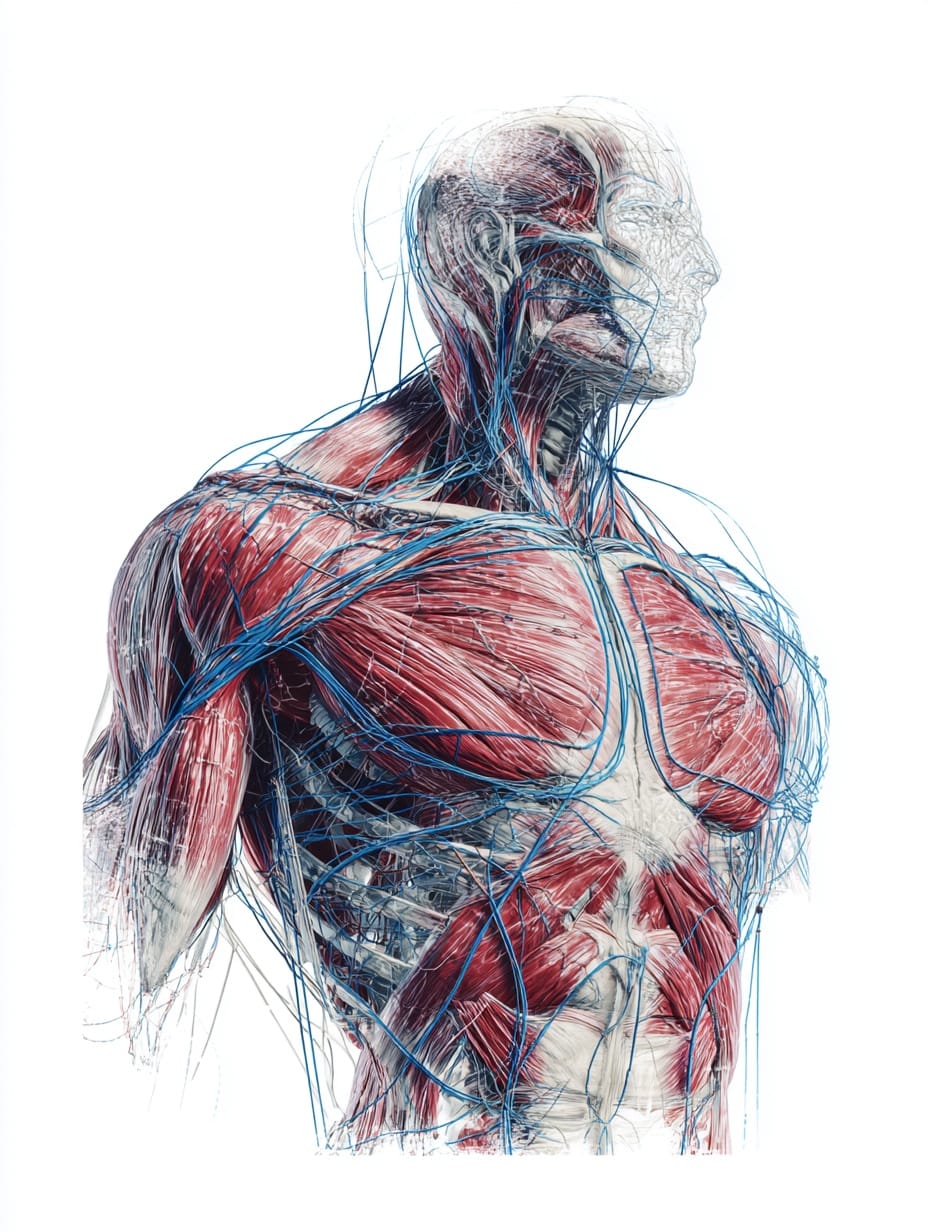
Testosterone orchestrates muscle protein synthesis, enabling the growth and repair of skeletal muscle tissue while simultaneously promoting fat oxidation for improved body composition. The hormone enhances the production of red blood cells through erythropoiesis, increasing oxygen-carrying capacity and supporting cardiovascular health. Beyond physical effects, testosterone influences neurotransmitter production, particularly dopamine and serotonin, affecting motivation, confidence, and overall mood regulation. These neurological impacts explain why men with optimal testosterone levels often report improved focus, decision-making ability, and emotional stability.
The hormone’s anabolic effects extend to bone tissue, where it stimulates osteoblast activity and calcium retention, maintaining skeletal strength and density throughout life. Testosterone also regulates sebaceous gland activity, influencing skin health and hair growth patterns, while supporting the maintenance of secondary sexual characteristics. In the cardiovascular system, the hormone affects nitric oxide production and arterial flexibility, though its relationship with heart health remains complex and individualized. These diverse functions demonstrate why testosterone optimization can impact multiple aspects of male health and performance simultaneously.
Testosterone’s Impact on Muscle Building and Fat Loss
Testosterone directly stimulates muscle protein synthesis by activating androgen receptors within muscle fibers, triggering genetic pathways that promote growth and repair. The hormone increases the number and size of satellite cells, which serve as muscle stem cells, enhancing the body’s capacity for muscle development and recovery from exercise. Simultaneously, testosterone promotes lipolysis, the breakdown of stored fat tissue, while inhibiting lipogenesis, the formation of new fat cells. This dual action creates an ideal environment for improving body composition, explaining why men with higher testosterone levels typically maintain lower body fat percentages and greater muscle mass with equivalent training and nutrition protocols.
Signs and Symptoms of Low Testosterone
Low testosterone manifests through a constellation of physical, mental, and emotional symptoms that can significantly impact quality of life. Physical indicators include decreased muscle mass and strength, increased body fat accumulation (particularly around the midsection), reduced bone density, and diminished energy levels throughout the day. Many men also experience changes in sleep patterns, including difficulty falling asleep or staying asleep, along with reduced recovery from physical exertion. Sexual symptoms encompass decreased libido, erectile dysfunction, and reduced frequency of morning erections, which often serve as early warning signs of declining hormone levels.
Mental and emotional symptoms frequently accompany physical changes, including brain fog, difficulty concentrating, memory problems, and reduced motivation for previously enjoyable activities. Mood changes such as increased irritability, anxiety, or mild depression may develop gradually, making them easy to attribute to stress or aging rather than hormonal imbalance. Some men report feeling less competitive or assertive, with reduced confidence in professional and personal situations. These symptoms often develop slowly over months or years, making them challenging to recognize without proper awareness and testing.
When Low Testosterone Becomes a Medical Concern
Clinical hypogonadism occurs when testosterone levels fall below 300 ng/dL accompanied by characteristic symptoms, requiring medical evaluation and potential treatment intervention. However, some men experience symptomatic low testosterone with levels in the 300-400 ng/dL range, particularly if their previous baseline was significantly higher. Age-related decline becomes medically relevant when symptoms substantially impact daily function, work performance, or relationship quality, regardless of whether levels fall within statistical normal ranges. Healthcare providers consider individual symptom severity, baseline health status, and response to lifestyle interventions when determining appropriate treatment approaches.
Natural Ways to Support Healthy Testosterone Levels
Resistance training provides one of the most effective natural methods for supporting testosterone production, with compound movements like squats, deadlifts, and bench presses producing the greatest hormonal response. High-intensity interval training (HIIT) also stimulates testosterone release, though excessive endurance exercise can have the opposite effect by elevating cortisol levels. Sleep optimization plays an equally crucial role, as testosterone production occurs primarily during deep sleep phases, with sleep deprivation capable of reducing levels by 10-15% after just one week of inadequate rest.
Nutritional strategies focus on providing the raw materials necessary for hormone synthesis, including adequate dietary cholesterol, zinc, vitamin D, and healthy fats from sources like olive oil, avocados, and nuts. Stress management through meditation, yoga, or other relaxation techniques helps maintain optimal cortisol-to-testosterone ratios, as chronic stress can suppress hormone production. Body weight management proves essential, as excess body fat increases aromatase activity, converting testosterone to estrogen and creating a negative feedback loop. These lifestyle interventions work synergistically, with men who address multiple factors simultaneously often experiencing the most significant improvements in hormone levels and related symptoms.
The Role of Diet in Testosterone Production
Dietary cholesterol serves as the primary building block for testosterone synthesis, making adequate intake of cholesterol-rich foods like eggs, grass-fed meat, and full-fat dairy products important for optimal hormone production. Zinc deficiency can severely impair testosterone synthesis, with oysters, red meat, pumpkin seeds, and dark chocolate providing excellent sources of this essential mineral. Vitamin D functions more like a hormone than a vitamin, with research showing strong correlations between vitamin D status and testosterone levels, particularly in men with initial deficiencies. Avoiding excessive alcohol consumption, processed foods, and foods high in phytoestrogens helps prevent hormonal disruption and supports natural testosterone optimization.
Testosterone Replacement Therapy: Medical Treatment Options
Testosterone replacement therapy (TRT) encompasses various delivery methods designed to restore hormone levels in men with clinically diagnosed hypogonadism. Injectable forms, including testosterone cypionate and enanthate, provide consistent hormone delivery through intramuscular administration, typically performed weekly or bi-weekly under medical supervision. Topical applications such as gels, creams, and patches offer daily dosing convenience with steady hormone absorption through the skin, though transfer to family members requires careful consideration and application protocols.
Newer delivery methods include subcutaneous pellet implants that provide hormone release over 3-6 months, and nasal gels offering rapid absorption without skin transfer concerns. Each method presents unique advantages and considerations regarding convenience, cost, effectiveness, and potential side effects. Medical supervision remains essential for any testosterone therapy, as improper dosing can lead to serious complications including cardiovascular issues, prostate problems, and suppression of natural hormone production. Healthcare providers monitor blood levels, symptoms, and potential adverse effects through regular follow-up appointments and laboratory testing.
Important Considerations Before Starting TRT

Before initiating testosterone replacement therapy, comprehensive medical evaluation must rule out contraindications including active prostate cancer, severe heart failure, or untreated sleep apnea. Baseline laboratory testing should include complete hormone panels, lipid profiles, complete blood counts, and prostate-specific antigen (PSA) levels to establish pre-treatment values. Men considering TRT should understand that external hormone administration typically suppresses natural testosterone production, potentially affecting fertility and requiring lifelong treatment commitment. Healthcare providers must discuss realistic expectations, potential risks, monitoring requirements, and alternative treatment options to ensure informed decision-making. The decision to begin TRT should never be based solely on age or mild symptoms without proper medical evaluation and consideration of lifestyle optimization strategies.
Frequently Asked Questions
Can testosterone replacement therapy help me build muscle?
Yes, testosterone replacement therapy can support muscle building when testosterone levels are clinically low. TRT helps restore normal hormone levels, which can improve muscle protein synthesis, strength, and recovery. However, TRT is a medical treatment for diagnosed hypogonadism, not a muscle-building enhancement for men with normal levels. Always consult with a healthcare provider to determine if TRT is medically appropriate for your situation.
How much testosterone should a man inject per week?
Testosterone injection dosages vary significantly based on individual needs, medical condition, and physician recommendations. Typical TRT protocols range from 100-200mg per week, but only a qualified healthcare provider can determine appropriate dosing. Self-medication with testosterone is dangerous and illegal without a prescription. Always work with a medical professional for proper dosing, monitoring, and safety protocols.
What’s the link between muscle mass and testosterone?
Testosterone directly stimulates muscle protein synthesis and activates androgen receptors in muscle tissue, promoting growth and repair. Higher testosterone levels generally correlate with greater muscle mass and strength potential. The hormone also reduces muscle protein breakdown and enhances recovery from exercise. However, muscle building still requires proper training, nutrition, and adequate rest regardless of hormone levels.
Can testosterone make you taller?
Testosterone cannot make adults taller once growth plates have closed, typically by age 18-21. During puberty, testosterone contributes to growth spurts and bone development, but adult height is fixed after skeletal maturity. While testosterone supports bone density and strength in adults, it cannot increase height or bone length once growth plates have fused.
Can testosterone cause hair loss?
Yes, testosterone can contribute to male pattern baldness in genetically predisposed individuals. The hormone converts to dihydrotestosterone (DHT) through the enzyme 5-alpha reductase, and DHT can shrink hair follicles on the scalp. However, testosterone doesn’t cause hair loss in men without genetic predisposition. The relationship between testosterone and hair loss is complex and varies significantly between individuals.
Ready to Optimize Your Hormone Health?
Understanding testosterone is just the first step toward optimizing your health and performance. If you’re experiencing symptoms of low testosterone or want to explore natural optimization strategies, professional guidance can help you develop a personalized approach. Contact our team to discuss testing options, lifestyle interventions, and evidence-based strategies for supporting healthy hormone levels throughout your life.


