


Understanding Your Treatment Timeline for Low Testosterone Levels
Treating low testosterone levels requires a strategic approach that balances immediate symptom relief with long-term health considerations. The journey typically begins with comprehensive blood testing to confirm clinically low testosterone levels (below 300 ng/dL on multiple tests). Your treatment timeline depends on several factors: the severity of your symptoms, underlying health conditions, age, and personal treatment goals. Most men notice initial improvements within 4-6 weeks of starting treatment, though optimal benefits often take 3-6 months to fully manifest. The key lies in understanding that testosterone replacement isn’t a quick fix but rather a carefully managed medical intervention that requires ongoing monitoring and adjustment.
Before exploring treatment options, recognize that low testosterone affects approximately 4-5 million American men, yet only 5% receive proper treatment. This gap exists partly because symptoms like fatigue, decreased libido, and mood changes often get attributed to normal aging or stress. However, clinically low testosterone is a medical condition that responds well to appropriate intervention. The most effective treatment plans combine medical therapy with lifestyle modifications, creating a comprehensive approach that addresses both the hormonal imbalance and contributing factors like poor sleep, inadequate nutrition, and sedentary behavior.
Testosterone Replacement Therapy: The Medical Gold Standard
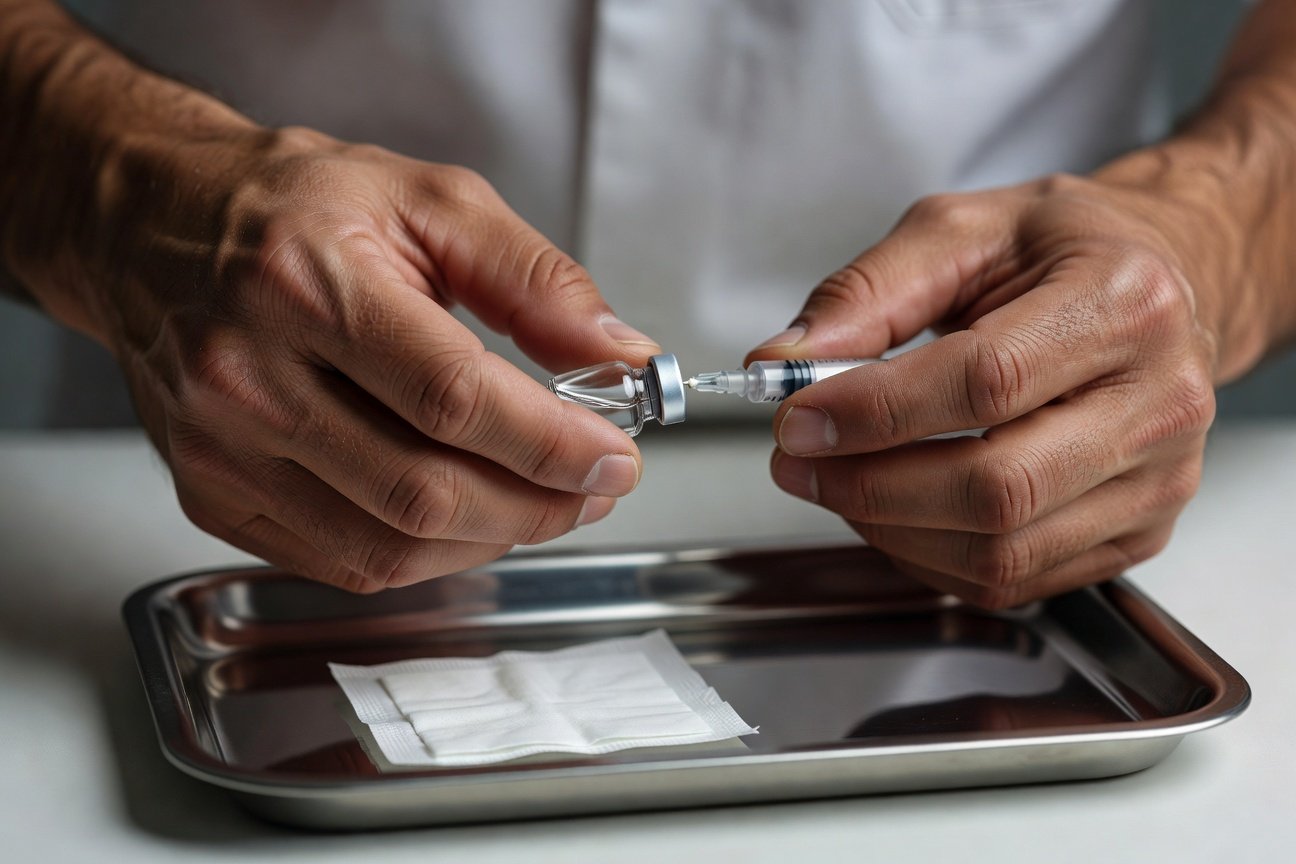
Testosterone replacement therapy (TRT) remains the most effective medical intervention for treating low testosterone levels in men with confirmed hypogonadism. TRT comes in several forms, each with distinct advantages and considerations. Testosterone injections, typically administered every 1-2 weeks, provide reliable hormone delivery but can cause fluctuations in testosterone levels between doses. Topical gels and creams offer more stable hormone levels throughout the day but require daily application and carry transfer risks to partners and children. Testosterone patches provide consistent delivery but may cause skin irritation in some users.
The newest TRT options include subcutaneous pellets implanted every 3-4 months and nasal gels for daily use. Pellets offer the convenience of infrequent dosing but require a minor surgical procedure for insertion. Nasal testosterone provides rapid absorption but costs significantly more than other delivery methods. Your urologist or endocrinologist will help determine the optimal TRT method based on your lifestyle, medical history, and treatment goals. Regular monitoring through blood tests every 3-6 months ensures testosterone levels remain within the therapeutic range (400-700 ng/dL) while watching for potential side effects like elevated red blood cell count or changes in prostate markers.
TRT Benefits and Realistic Expectations
Men undergoing TRT typically experience significant improvements in energy levels, sexual function, mood stability, and cognitive clarity within the first few months of treatment. Research shows that TRT can increase lean muscle mass by 3-5% and reduce body fat by 2-3% over the first year when combined with resistance training. Sleep quality often improves dramatically, with many men reporting deeper, more restorative sleep patterns. However, TRT isn’t a fountain of youth. While it can restore testosterone levels to normal ranges, it won’t necessarily return you to the physical condition or energy levels of your twenties. Individual responses vary significantly, and some men may need 6-12 months to experience full benefits. Additionally, TRT requires lifelong commitment in most cases, as discontinuing treatment typically results in testosterone levels returning to pre-treatment ranges within weeks.
Potential Risks and Monitoring Requirements
TRT carries several potential risks that require careful monitoring and medical supervision. The most common side effects include acne, fluid retention, and mood swings during the initial adjustment period. More serious concerns include potential cardiovascular risks, though recent studies suggest these risks may be lower than previously thought when TRT is properly managed. Prostate health monitoring is essential, as testosterone can potentially accelerate existing prostate cancer growth, though it doesn’t appear to cause cancer in healthy men. Sleep apnea may worsen in some patients, particularly those who are overweight. Fertility concerns are significant for men planning to have children, as TRT typically suppresses natural testosterone and sperm production. Your healthcare provider will conduct regular blood tests to monitor testosterone levels, complete blood count, liver function, and prostate-specific antigen (PSA) levels throughout treatment.
Lifestyle Interventions That Actually Move the Needle
While lifestyle changes alone rarely restore severely low testosterone levels to normal ranges, they can provide meaningful improvements and enhance the effectiveness of medical treatments. Sleep optimization stands as the most powerful lifestyle intervention for treating low testosterone levels naturally. Men who consistently get 7-9 hours of quality sleep show testosterone levels 10-15% higher than those with poor sleep habits. Sleep deprivation below 5 hours per night can reduce testosterone by up to 15% in healthy young men. Creating a sleep-conducive environment involves maintaining a cool bedroom temperature (65-68°F), eliminating blue light exposure 2 hours before bedtime, and establishing consistent sleep and wake times even on weekends.
Resistance training provides the second most significant lifestyle impact on testosterone levels. Compound exercises like squats, deadlifts, and bench presses that engage multiple large muscle groups produce the greatest hormonal response. Studies show that men who perform resistance training 3-4 times per week can increase testosterone levels by 15-20% over 12 weeks. The key lies in progressive overload and adequate recovery between sessions. High-intensity interval training (HIIT) also shows promise, with 20-30 minute sessions producing acute testosterone spikes. However, excessive endurance exercise can actually suppress testosterone levels, so balance remains crucial. Combining strength training with moderate cardio provides optimal results for both testosterone production and overall health.

Nutritional Strategies for Hormone Optimization
Nutrition plays a fundamental role in supporting healthy testosterone production, though dietary changes alone typically won’t resolve clinically low levels. Adequate dietary fat intake proves essential, as testosterone synthesis requires cholesterol as a building block. Men consuming less than 20% of calories from fat often show reduced testosterone levels compared to those eating 30-35% fat. Quality matters more than quantity – emphasize monounsaturated fats from olive oil, avocados, and nuts, along with omega-3 fatty acids from fish and walnuts. Zinc deficiency can significantly impact testosterone production, making zinc-rich foods like oysters, beef, and pumpkin seeds valuable additions to your diet. Vitamin D deficiency, common in men spending limited time outdoors, correlates strongly with low testosterone levels.
Stress Management and Environmental Factors
Chronic stress represents one of the most overlooked factors in treating low testosterone levels through lifestyle modification. Elevated cortisol from ongoing stress directly suppresses testosterone production through hormonal feedback mechanisms. Men with high-stress jobs or chronic life stressors often show testosterone levels 20-30% lower than their relaxed counterparts. Effective stress management techniques include meditation, yoga, deep breathing exercises, and regular nature exposure. Even 10-15 minutes of daily meditation can produce measurable improvements in hormone balance over 8-12 weeks. Environmental toxin exposure from plastics, pesticides, and industrial chemicals can also suppress testosterone production. Simple changes like using glass instead of plastic containers, choosing organic produce when possible, and filtering drinking water can reduce your toxic load and support healthier hormone levels.
Natural Supplements: Separating Science from Marketing
The supplement industry markets countless products claiming to boost testosterone naturally, but scientific evidence supports only a handful of compounds for treating low testosterone levels. Vitamin D3 supplementation shows the strongest evidence, particularly for men with documented deficiency (blood levels below 30 ng/mL). Studies demonstrate that correcting vitamin D deficiency can increase testosterone levels by 20-25% over 12 months. The optimal dose typically ranges from 2,000-4,000 IU daily, though some men with severe deficiency may require higher amounts under medical supervision. Zinc supplementation benefits men with zinc deficiency but provides minimal benefit for those with adequate levels. Most men need 15-30 mg of zinc daily, preferably in chelated form for better absorption.
D-Aspartic acid gained popularity as a testosterone booster, but research results remain mixed. While some studies show modest improvements in men with low baseline testosterone, others find no significant effects. Ashwagandha, an adaptogenic herb, shows promise in reducing cortisol levels and may indirectly support testosterone production in stressed individuals. Fenugreek extract demonstrates mild testosterone-supporting effects in some studies, though the clinical significance remains unclear. DHEA supplementation may help older men with very low DHEA levels, but younger men typically see minimal benefits. The key principle: supplements work best when addressing specific nutrient deficiencies rather than attempting to boost already-adequate levels.
What Doesn’t Work: Common Supplement Myths
Many popular testosterone supplements lack scientific support despite aggressive marketing claims. Tribulus terrestris, heavily promoted in bodybuilding circles, shows no consistent effect on testosterone levels in human studies. Testosterone boosters containing proprietary blends often hide ineffective doses of active ingredients behind fancy labels and inflated prices. Boron supplementation may provide modest benefits for some men, but the evidence remains preliminary. Most over-the-counter testosterone boosters combine multiple ingredients in doses too low to produce meaningful effects. The supplement industry exploits men’s desire for natural solutions, but treating low testosterone levels effectively typically requires either medical intervention or addressing underlying lifestyle factors rather than relying on pills and powders.
When to Consult a Specialist and What to Expect
Consulting a healthcare specialist becomes essential when treating low testosterone levels through lifestyle changes fails to produce adequate improvement after 3-6 months of consistent effort. Urologists and endocrinologists specialize in hormone disorders and can provide comprehensive evaluation and treatment options beyond what primary care physicians typically offer. The initial consultation involves detailed medical history, physical examination, and comprehensive blood testing. Your specialist will likely order multiple testosterone tests taken in the morning when levels peak naturally, along with tests for luteinizing hormone (LH), follicle-stimulating hormone (FSH), and prolactin to determine whether the problem originates in the testicles or the brain.
Expect your specialist to explore underlying causes of low testosterone, including sleep disorders, medications that suppress hormone production, chronic illnesses, and genetic conditions. They’ll also assess your cardiovascular health, prostate status, and fertility concerns before recommending treatment options. The consultation process typically takes 4-6 weeks from initial appointment to treatment initiation, allowing time for comprehensive testing and careful treatment planning. Your specialist will discuss realistic expectations, potential risks and benefits of different treatment approaches, and long-term monitoring requirements. They’ll also coordinate care with your primary physician to ensure all aspects of your health remain optimized throughout treatment.
Alternative Medical Approaches Worth Considering
Several alternative medical approaches show promise for treating low testosterone levels, particularly for men seeking to avoid lifelong TRT commitment. Clomiphene citrate, originally developed as a fertility drug for women, can stimulate natural testosterone production in men by blocking estrogen receptors in the brain. This approach works best for men with secondary hypogonadism (low testosterone due to brain-related causes) and allows preservation of fertility. Human chorionic gonadotropin (hCG) therapy can maintain testicular function and natural hormone production while providing testosterone support. Some men respond well to combination therapy using both clomiphene and hCG under careful medical supervision. These alternatives require specialized knowledge and monitoring but may offer viable options for men concerned about traditional TRT’s long-term implications.
Frequently Asked Questions
How long does it take to see results from testosterone treatment?
Most men notice initial improvements in energy and mood within 4-6 weeks of starting treatment. Sexual function typically improves within 6-12 weeks, while changes in muscle mass and body composition become apparent after 3-6 months of consistent treatment.
Can lifestyle changes alone fix low testosterone?
Lifestyle changes can improve testosterone levels by 15-25% in some men, but they rarely restore severely low levels to normal ranges. They work best as supportive measures alongside medical treatment or for men with borderline low levels.
Is testosterone replacement therapy safe long-term?
TRT appears safe for most men when properly monitored by healthcare professionals. Regular blood tests and health screenings help identify and manage potential risks like cardiovascular issues or prostate changes.
Will I lose muscle if I stop testosterone therapy?
Stopping TRT typically results in testosterone levels returning to pre-treatment ranges within weeks. Any muscle gains from TRT may gradually decline without continued treatment, though gains from exercise and proper nutrition are more likely to be maintained.
Do natural testosterone boosters actually work?
Most over-the-counter testosterone boosters lack strong scientific evidence. Supplements addressing specific deficiencies (like vitamin D or zinc) may help, but they won’t produce dramatic increases in men with adequate nutrient levels.
Ready to Address Your Low Testosterone?
Treating low testosterone levels effectively requires proper medical evaluation and personalized treatment planning. Don’t let symptoms impact your quality of life when proven solutions exist. Schedule a consultation with a qualified healthcare provider to discuss your symptoms, explore testing options, and develop a treatment plan tailored to your specific needs and goals.


