


The Reality Behind Testosterone Supplements
Men searching for supplements low testosterone solutions face a marketplace flooded with bold claims and limited scientific backing. The global testosterone booster market generates billions annually, yet most products rely on marketing rather than rigorous clinical evidence. Understanding what research actually demonstrates about these supplements requires separating legitimate scientific findings from industry hype. While certain nutrients play documented roles in testosterone production, the gap between laboratory results and real-world effectiveness remains substantial. Many men experience disappointment when supplements fail to deliver the dramatic improvements advertised on product labels.
The complexity of testosterone regulation involves multiple physiological systems, making it unlikely that any single supplement could dramatically alter hormone levels in healthy individuals. Testosterone production depends on adequate sleep, proper nutrition, regular exercise, and optimal body composition. Deficiencies in specific vitamins or minerals can indeed impact hormone synthesis, but supplementation typically benefits only those with documented deficiencies. Men with clinically low testosterone often require medical intervention rather than over-the-counter solutions. However, certain supplements show promise for supporting overall hormonal health when combined with lifestyle modifications.
Zinc: The Most Researched Testosterone Supplement
Zinc stands out among supplements low testosterone research due to its well-documented role in hormone production and male reproductive health. This essential mineral participates directly in testosterone synthesis and helps maintain optimal levels of luteinizing hormone, which signals the testes to produce testosterone. Studies consistently show that zinc deficiency correlates with reduced testosterone levels, particularly in men who engage in intense physical training or follow restrictive diets. Research published in the Journal of Exercise Physiology demonstrated that zinc supplementation could restore testosterone levels in deficient individuals within six weeks.
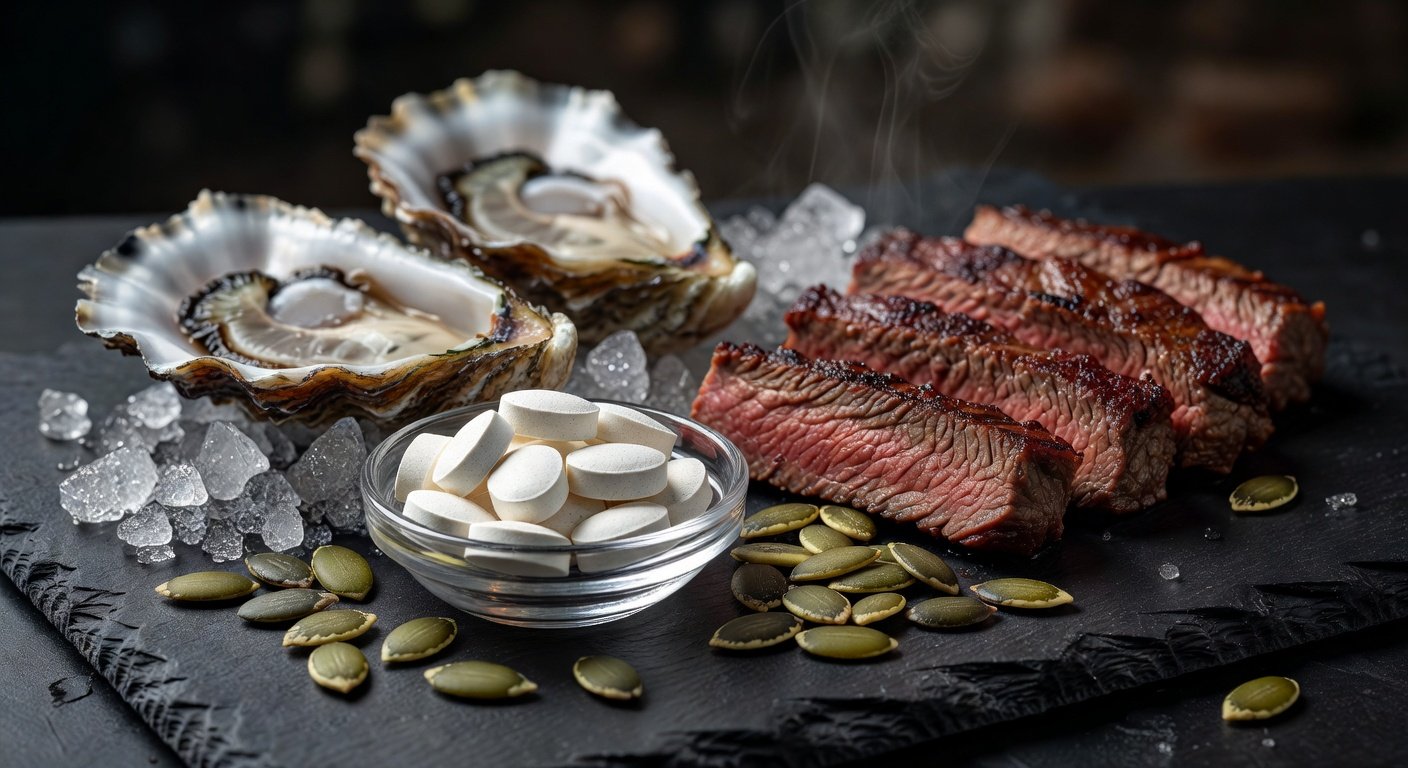
The most compelling evidence for zinc comes from studies involving men with documented deficiencies rather than those with normal zinc status. A landmark study in Nutrition found that zinc-deficient men experienced significant testosterone increases after supplementation, while men with adequate zinc levels showed minimal improvements. The recommended approach involves testing zinc status before supplementation, as excess zinc can interfere with copper absorption and immune function. Food sources like oysters, beef, and pumpkin seeds provide bioavailable zinc alongside other nutrients that support hormonal health.
Optimal Zinc Dosing and Considerations
Research suggests that zinc supplementation benefits appear most pronounced in men consuming 15-30mg daily, though individual needs vary based on diet, exercise habits, and baseline zinc status. Higher doses exceeding 40mg daily may actually suppress testosterone production and cause gastrointestinal distress. The timing of zinc intake matters significantly, as taking zinc with meals reduces absorption but minimizes stomach upset. Studies indicate that zinc picolinate and zinc bisglycinate offer superior absorption compared to zinc oxide or zinc sulfate. Men following vegetarian diets or those who sweat heavily during exercise may require higher zinc intake to maintain optimal levels.
Vitamin D: The Sunshine Hormone Connection
Vitamin D deficiency affects nearly 40% of American men and correlates strongly with low testosterone levels across multiple population studies. This fat-soluble vitamin functions more like a hormone than a traditional vitamin, influencing gene expression and cellular function throughout the body. Research published in Hormone and Metabolic Research found that men with higher vitamin D levels maintained significantly higher testosterone concentrations compared to deficient individuals. The relationship appears bidirectional, with low testosterone potentially reducing vitamin D receptor sensitivity while vitamin D deficiency impairs testosterone synthesis.
Clinical trials examining vitamin D supplementation show mixed but generally positive results for testosterone support. A randomized controlled trial involving 165 men found that those receiving 3,000 IU daily for one year experienced modest but significant testosterone increases compared to placebo groups. However, the benefits appeared most pronounced in men with severe vitamin D deficiency at baseline. Seasonal variations in testosterone levels often mirror vitamin D fluctuations, with both hormones typically peaking in late summer and declining during winter months in northern climates.
Vitamin D Testing and Supplementation Strategy
Effective vitamin D supplementation for testosterone support requires baseline testing to determine individual needs and monitor progress. Most experts recommend maintaining 25-hydroxyvitamin D levels between 30-50 ng/mL for optimal hormonal function, though some research suggests higher levels may provide additional benefits. Men with severe deficiency may require initial loading doses of 5,000-10,000 IU daily for several weeks before transitioning to maintenance dosing. Vitamin D3 (cholecalciferol) demonstrates superior effectiveness compared to vitamin D2, and taking it with dietary fat enhances absorption. Regular monitoring prevents potential toxicity while ensuring adequate levels for testosterone support.
Ashwagandha: Ancient Herb, Modern Research
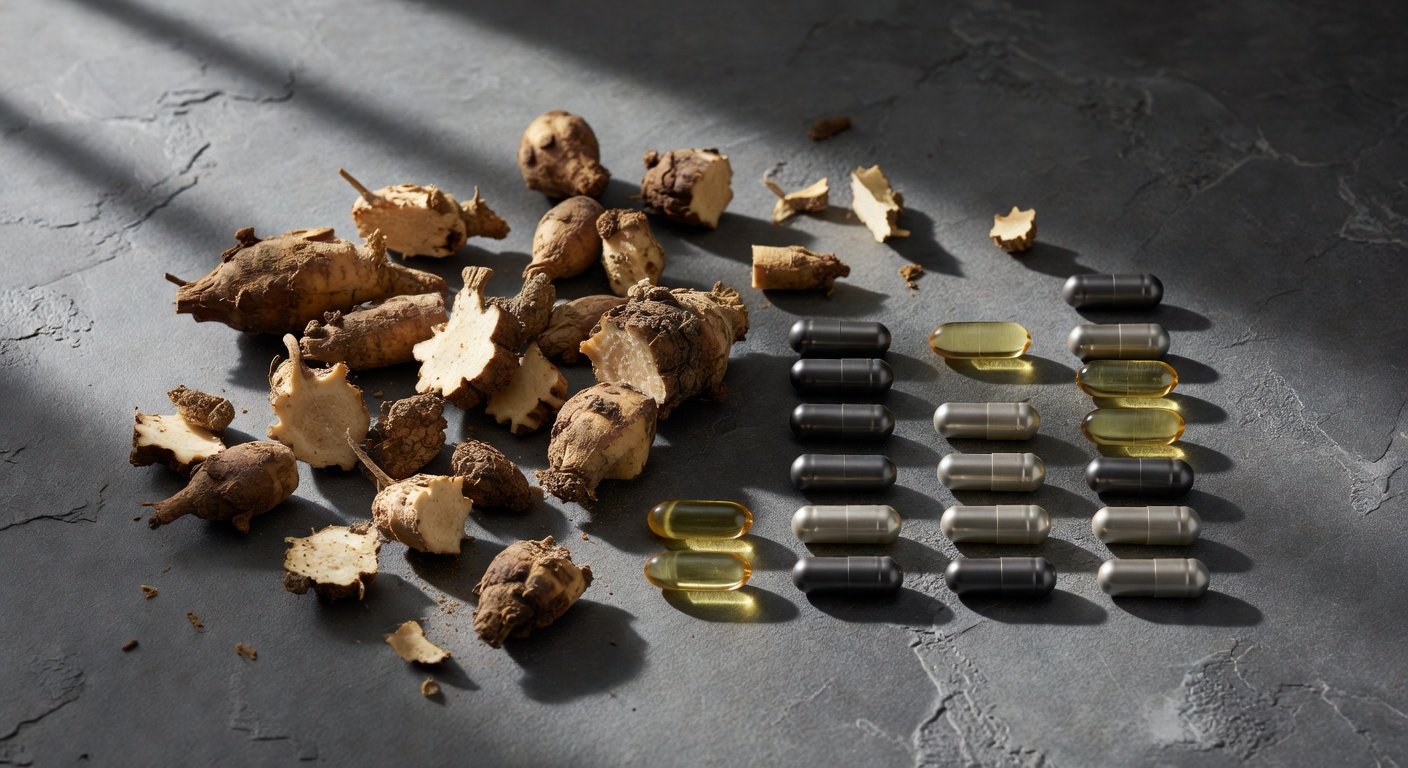
Ashwagandha (Withania somnifera) represents one of the most promising supplements low testosterone research has identified in recent years. This adaptogenic herb has been used in traditional Ayurvedic medicine for centuries, but modern clinical trials now provide scientific validation for its testosterone-supporting properties. Multiple randomized controlled trials demonstrate that ashwagandha supplementation can increase testosterone levels while simultaneously reducing cortisol, a stress hormone that suppresses testosterone production. The dual action of supporting testosterone while managing stress makes ashwagandha particularly appealing for men dealing with chronic stress or intense training regimens.
A pivotal study published in the American Journal of Men’s Health found that men taking 600mg of ashwagandha extract daily experienced 15% increases in testosterone levels after eight weeks. Participants also reported improved strength, muscle mass, and overall well-being compared to placebo groups. The mechanism appears to involve ashwagandha’s ability to reduce cortisol production while supporting luteinizing hormone release. Additional research suggests that ashwagandha may improve sperm quality and fertility markers, indicating broad benefits for male reproductive health beyond just testosterone levels.
Ashwagandha Dosing and Quality Considerations
Effective ashwagandha supplementation requires attention to extract standardization and dosing protocols used in successful clinical trials. Most research utilizes standardized extracts containing 1.5-12% withanolides, the active compounds responsible for ashwagandha’s effects. Studies showing testosterone benefits typically use doses between 300-600mg of standardized extract taken twice daily with meals. The herb’s adaptogenic properties mean benefits often accumulate over several weeks rather than appearing immediately. Quality varies significantly among ashwagandha supplements, making third-party testing and standardization crucial factors when selecting products for testosterone support.
Magnesium: The Overlooked Mineral
Magnesium deficiency affects approximately 50% of the population, yet this essential mineral receives less attention than zinc in discussions about supplements low testosterone support. Magnesium participates in over 300 enzymatic reactions, including those involved in testosterone synthesis and regulation. Research demonstrates that magnesium supplementation can increase both free and total testosterone levels, particularly in men who exercise regularly. A study involving martial artists found that those taking magnesium supplements experienced significant testosterone increases compared to controls, with the effect being most pronounced in active individuals.
The relationship between magnesium and testosterone involves multiple pathways, including the mineral’s role in reducing inflammation and oxidative stress that can suppress hormone production. Magnesium also influences sleep quality, which directly impacts testosterone production since most hormone synthesis occurs during deep sleep phases. Men with higher magnesium intake consistently show better testosterone levels across population studies. However, like other mineral supplements, magnesium appears most beneficial for individuals with documented deficiencies rather than those with adequate status.
D-Aspartic Acid: Promising but Inconsistent
D-Aspartic acid (DAA) gained significant attention in the supplement industry following early research suggesting dramatic testosterone increases in healthy men. Initial studies showed that 3.12 grams of DAA daily could increase testosterone levels by 40% within two weeks. However, subsequent research has produced conflicting results, with some studies showing no benefits and others suggesting that prolonged use might actually decrease testosterone levels. The inconsistency in research outcomes has made DAA one of the more controversial supplements in testosterone support protocols.
The proposed mechanism for DAA involves its role as a neurotransmitter that may stimulate luteinizing hormone release, thereby increasing testosterone production. However, this effect appears to be temporary and may diminish with continued use. Some research suggests that DAA might be more effective in men with initially low testosterone levels rather than those with normal ranges. The supplement industry continues to promote DAA heavily despite the mixed research results, highlighting the importance of examining individual study methodologies and participant characteristics when evaluating supplement claims.
Fenugreek: Traditional Herb with Modern Applications
Fenugreek (Trigonella foenum-graecum) represents another traditional herb that has attracted modern research attention for testosterone support. Several clinical trials suggest that fenugreek extracts may help maintain healthy testosterone levels while improving various aspects of male health including libido, strength, and body composition. The herb appears to work by inhibiting enzymes that convert testosterone to other hormones, effectively maintaining higher levels of bioavailable testosterone. Studies typically use standardized extracts rather than whole fenugreek powder to ensure consistent active compound delivery.
Research published in Phytotherapy Research demonstrated that men taking fenugreek extract experienced significant improvements in testosterone levels and sexual function compared to placebo groups. The study participants also reported enhanced mood and energy levels throughout the supplementation period. Fenugreek’s benefits may extend beyond testosterone support, as the herb has been shown to improve insulin sensitivity and support healthy cholesterol levels. However, like many herbal supplements, fenugreek research involves relatively small study populations, and more extensive trials are needed to confirm long-term safety and effectiveness.
What Doesn’t Work: Supplements to Avoid
Despite aggressive marketing claims, several popular supplements low testosterone products lack scientific support or may even prove counterproductive. Tribulus terrestris, heavily promoted in bodybuilding circles, consistently fails to increase testosterone levels in clinical trials involving healthy men. Multiple studies have found no significant differences between tribulus supplementation and placebo groups across various testosterone markers. Similarly, most proprietary testosterone booster blends containing dozens of ingredients lack individual component research and rely on theoretical benefits rather than clinical evidence.
Testosterone precursors like androstenedione and DHEA present additional concerns, as these compounds can convert to estrogen rather than testosterone, particularly in men with higher body fat percentages. The FDA has banned many prohormone supplements due to safety concerns and lack of proven benefits. Men should also avoid supplements containing undisclosed pharmaceutical ingredients, which occasionally appear in products marketed as natural testosterone boosters. These contaminated supplements can cause serious health complications and may contain banned substances that could result in positive drug tests.
Lifestyle Factors That Matter More Than Supplements
While supplements low testosterone research provides valuable insights, lifestyle modifications typically produce more significant and sustainable improvements in hormone levels. Adequate sleep represents the single most important factor for testosterone production, with studies showing that men sleeping less than five hours nightly experience 10-15% reductions in testosterone levels. Resistance training, particularly compound movements involving large muscle groups, consistently increases testosterone production both acutely and chronically. Maintaining healthy body weight also proves crucial, as excess body fat increases aromatase activity, converting testosterone to estrogen.
Stress management techniques like meditation, yoga, or regular relaxation practices can significantly impact testosterone levels by reducing cortisol production. Chronic stress creates a hormonal environment that suppresses testosterone synthesis while promoting fat storage and muscle breakdown. Dietary factors including adequate protein intake, healthy fats, and avoiding excessive alcohol consumption all contribute to optimal testosterone production. Men often achieve better results by addressing these fundamental lifestyle factors before considering supplementation, though combining both approaches may provide synergistic benefits.
Frequently Asked Questions
Do testosterone supplements actually work?
Most testosterone supplements show modest benefits only in men with documented nutrient deficiencies. Research supports zinc, vitamin D, and ashwagandha for specific populations, but healthy men with normal levels typically see minimal improvements from supplementation alone.
How long does it take for testosterone supplements to work?
Studies showing positive results typically demonstrate changes within 4-8 weeks of consistent supplementation. However, benefits appear most pronounced in men with initial deficiencies, and lifestyle factors like sleep and exercise often produce faster improvements than supplements.
Are natural testosterone boosters safe?
Well-researched supplements like zinc, vitamin D, and ashwagandha are generally safe when used appropriately. However, many commercial testosterone boosters contain untested ingredient combinations or undisclosed compounds that may cause side effects or interact with medications.
Which supplement is best for low testosterone?
No single supplement works best for everyone. Zinc benefits men with deficiencies, vitamin D helps those with low levels, and ashwagandha may support stressed individuals. Testing nutrient levels and consulting healthcare providers provides the best guidance for individual needs.
Can I take multiple testosterone supplements together?
Combining certain supplements like zinc and vitamin D may be safe and potentially beneficial, but avoid proprietary blends with unknown interactions. Start with single ingredients to assess individual responses before combining supplements, and consult healthcare providers about potential interactions.
Ready to Optimize Your Hormonal Health?
Understanding which supplements might support your testosterone levels requires personalized assessment of your current health status, nutrient levels, and lifestyle factors. Rather than guessing with over-the-counter products, consider consulting with a healthcare provider who can evaluate your individual needs through proper testing and evidence-based recommendations. Contact our team to discuss comprehensive approaches to hormonal optimization that combine proven supplements with lifestyle modifications for sustainable results.


