


Is Beef Jerky Healthy? Unpacking the Basics
When considering whether beef jerky is healthy, it’s essential to look beyond its reputation as a convenient, protein-packed snack. Popular among men aged 25-55 for its portability during workouts or long workdays, beef jerky offers a dense source of nutrients but comes with caveats. A dietitian’s perspective reveals that its healthiness hinges on factors like preparation, ingredients, and portion control. On the positive side, it delivers a high protein-to-calorie ratio, often providing 10-15 grams of protein per ounce. However, concerns like sodium content and preservatives can offset these benefits. This article will break down beef jerky nutrition to help you decide if it fits into a balanced diet, especially for active lifestyles or those prioritizing muscle maintenance.
The appeal of beef jerky lies in its simplicity and shelf life, making it a go-to for busy individuals or outdoor enthusiasts. Yet, not all jerky is created equal. Some varieties are crafted with minimal processing, while others are loaded with additives that can impact long-term health. Understanding beef jerky’s nutritional profile requires examining its macronutrients, micronutrients, and potential drawbacks. For instance, while it’s often marketed as a low-fat, high-protein option, the way it’s processed can introduce hidden risks. By analyzing key components like jerky protein content and sodium levels, we’ll provide a framework to evaluate whether this snack supports your fitness and health goals without compromising on other dietary needs.
Beef Jerky Nutrition: The Good and the Concerning
One of the standout benefits of beef jerky is its impressive jerky protein content. A single ounce can pack around 10-15 grams of protein, making it an efficient choice for muscle repair and satiety, especially post-workout. This protein-to-calorie ratio is often superior to other portable snacks like chips or candy bars, with roughly 80-100 calories per ounce. Additionally, beef jerky provides essential nutrients like iron, zinc, and B vitamins, which support energy production and immune function. For men focused on maintaining or building muscle mass, this nutrient density can be a significant advantage, particularly when whole food options aren’t readily available during travel or long days.
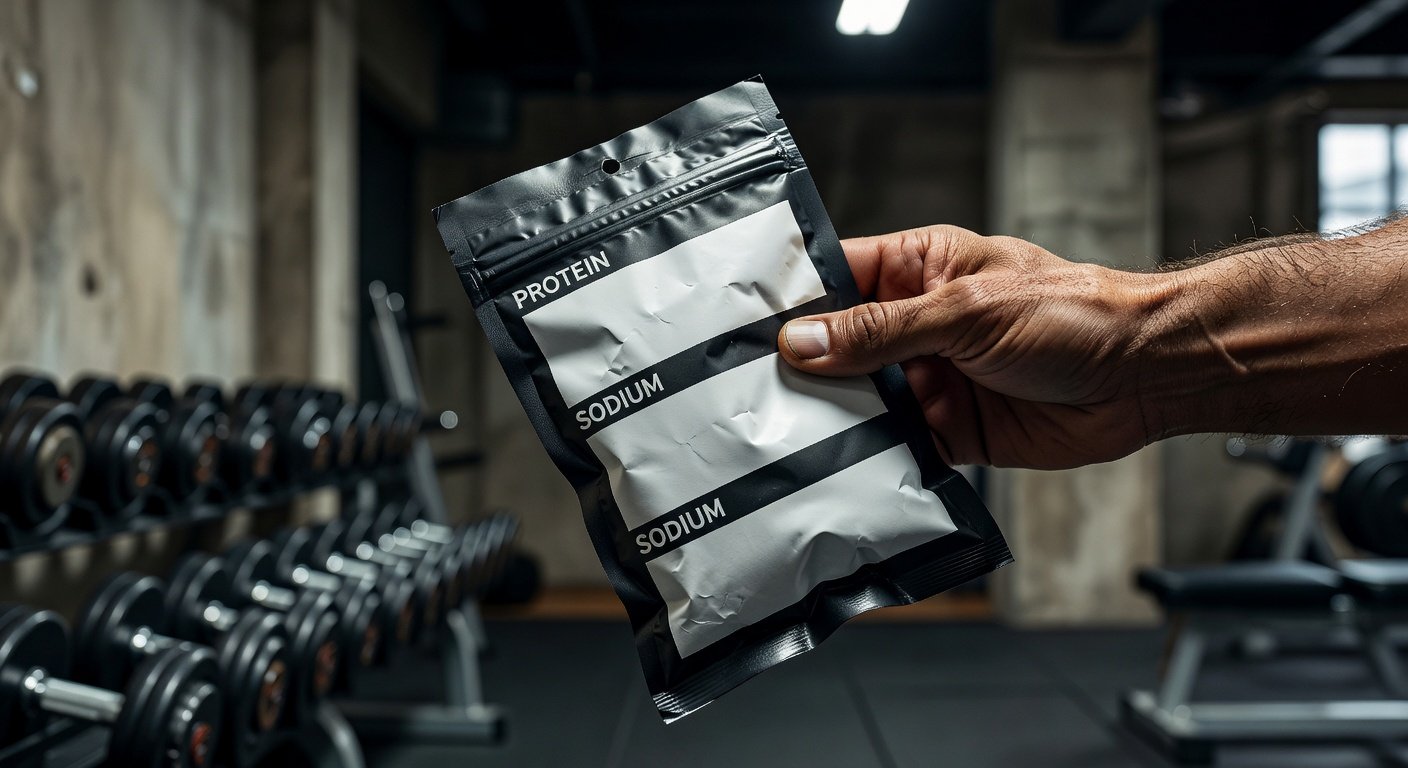
However, the nutritional profile isn’t without red flags. Beef jerky sodium levels are a primary concern, often ranging from 400-600 milligrams per ounce—nearly a quarter of the daily recommended limit by the American Heart Association. High sodium intake is linked to increased blood pressure and cardiovascular strain, which can be problematic for those with existing health conditions. Furthermore, many commercial jerkies contain preservatives like nitrates and nitrites, which are used to extend shelf life and enhance color but have been associated with potential health risks in large amounts. Balancing these factors is key when deciding how often to include jerky in your diet.
The Nitrate and Nitrite Debate
A significant point of contention in the question ‘is beef jerky healthy’ revolves around preservatives like nitrates and nitrites. These compounds are commonly added to prevent bacterial growth and maintain the meat’s red hue, but they’ve sparked debate due to potential links to health issues when consumed in excess. Some studies suggest that high intake of processed meats with these additives may correlate with increased risks of certain conditions, though evidence isn’t conclusive. For a deeper dive, refer to resources from the World Health Organization. When choosing healthy jerky, opt for brands that advertise ‘no added nitrates’ or use natural alternatives like celery powder, though moderation remains crucial.
Is Beef Jerky Healthy Compared to Other Portable Proteins?
When stacking beef jerky against other portable protein sources, its strengths and weaknesses become clearer. Compared to protein bars, jerky often has fewer added sugars and artificial ingredients, offering a more natural option. A typical protein bar might contain 15-20 grams of protein but also comes with 200-300 calories and processed carbs. Jerky, by contrast, keeps calorie counts lower for similar protein levels. However, bars may offer more balanced macronutrients with added fiber or healthy fats, which jerky lacks. For men prioritizing clean eating, beef jerky nutrition can edge out heavily processed bars, but it’s not a complete meal replacement.
Another contender is nuts, like almonds or peanuts, which provide protein alongside healthy fats but at a higher calorie cost—around 160 calories per ounce for just 6-8 grams of protein. Hard-boiled eggs, while less portable without preparation, deliver a comparable 6-7 grams of protein per egg at 70 calories with minimal sodium. Turkey jerky often emerges as a leaner alternative to beef, with lower fat content and sometimes less sodium. Each option has trade-offs, so aligning your choice with specific health goals—whether it’s low sodium, high protein, or calorie control—will determine the best fit for your lifestyle.
How to Choose Healthy Jerky: A Label-Reading Guide
Navigating the question of whether beef jerky is healthy starts at the store with a keen eye on labels. First, check the sodium content per serving. Aim for options under 400 milligrams per ounce if possible, as this helps manage daily intake. Next, scan the ingredient list for simplicity—ideal jerky should list beef, salt, and natural spices without a long string of unpronounceable additives. Watch for added sugars, which can sneak in through marinades or flavorings, unnecessarily spiking calorie counts. Prioritizing grass-fed or organic beef can also reduce exposure to hormones or antibiotics, though these options often come at a premium price point.
Pay attention to serving sizes, as packages can be deceptive. A small bag might seem like one serving but contain two or more, doubling the sodium and calories you consume in a sitting. Look for labels indicating ‘low sodium’ or ‘no added nitrates’ for a healthier profile, though always verify claims against the nutrition facts. Finally, consider the drying process—air-dried or slow-cooked jerky tends to retain more nutrients compared to heavily processed varieties. Armed with this framework, you can make informed choices that align with your dietary needs, whether you’re fueling a hike or grabbing a quick desk snack.

Practical Tips for Including Jerky in Your Diet
If you’ve weighed the pros and cons and decided that beef jerky fits into your nutrition plan, moderation and pairing are key. Limit intake to 1-2 ounces per day to keep sodium levels in check, especially if your diet already includes other salty foods. Pair jerky with hydrating options like water or fresh fruits to offset its drying effect and high sodium content. For active men, jerky can be a strategic post-workout snack when combined with a carb source like a banana to replenish glycogen stores. This balance helps maximize the benefits of jerky protein content while mitigating potential health drawbacks.
Another approach is to treat jerky as an occasional protein boost rather than a daily staple. Rotate it with other snacks like Greek yogurt or hummus and veggies to diversify nutrient intake. If sodium is a major concern, explore homemade jerky recipes where you control the salt and seasoning. This requires time and equipment like a dehydrator, but it ensures a cleaner product. Remember, individual health needs vary, so consulting a dietitian for personalized advice can refine how jerky fits into your broader eating habits, especially if you have specific fitness or medical goals.
Frequently Asked Questions
Is beef jerky a good protein source?
Yes, beef jerky is a solid protein source, often providing 10-15 grams per ounce. This makes it an efficient option for muscle repair and satiety, especially for active individuals. Compared to other snacks, its protein-to-calorie ratio is impressive, typically around 80-100 calories per ounce. However, the high sodium and potential additives mean it should be consumed in moderation. Pairing it with other nutrient-dense foods can help balance your diet.
How much sodium is in beef jerky?
Sodium content in beef jerky varies widely but often ranges from 400-600 milligrams per ounce. This can represent a significant portion of the daily recommended limit of 2,300 milligrams set by health authorities like the American Heart Association. Some low-sodium options dip below 300 milligrams per ounce, so reading labels is crucial if you’re monitoring intake for heart health or other concerns.
Is jerky processed meat?
Yes, beef jerky is considered a processed meat. It undergoes curing, drying, and often seasoning, which classifies it under this category alongside items like bacon or sausage. Processing can introduce additives like nitrates or high levels of sodium, which are linked to potential health risks in excess. Opting for minimally processed or nitrate-free varieties can mitigate some of these concerns.
Can you eat beef jerky every day?
Eating beef jerky daily isn’t recommended for most people due to its high sodium content and potential preservatives. Regular consumption could contribute to elevated blood pressure or other health issues over time. Limiting intake to a few times a week and balancing it with low-sodium, whole foods is a smarter approach. If you have specific health conditions, consult a dietitian for tailored guidance.
Is turkey jerky healthier than beef jerky?
Turkey jerky is often considered healthier than beef jerky due to its lower fat content and sometimes reduced sodium levels. It typically provides a similar protein punch with fewer calories from fat. However, this varies by product—some turkey jerkies still contain high sodium or additives. Always compare nutrition labels to ensure you’re choosing the better option for your dietary needs.
Ready to Optimize Your Nutrition?
Understanding whether beef jerky is healthy is just one step toward building a diet that supports your active lifestyle. If you’re looking to refine your eating habits or have questions about balancing snacks like jerky with your fitness goals, we’re here to help. Reach out through our consultation page for personalized guidance and expert tips tailored to your unique needs. Let’s work together to fuel your body right!


