


Can Protein Shakes Go Bad? The Science Behind Spoilage
Yes, protein shakes can absolutely go bad, and the timeline depends heavily on whether you’re dealing with mixed liquid shakes or dry protein powder. Mixed protein shakes create an ideal environment for bacterial growth due to their high protein content, moisture, and often neutral pH levels. When protein-rich liquids sit at room temperature, harmful bacteria like E. coli, Salmonella, and Staphylococcus aureus can multiply rapidly, potentially reaching dangerous levels within just 2-4 hours. The combination of amino acids, sugars from added ingredients, and liquid creates what food scientists call a ‘high-risk food’ that requires careful handling and storage to prevent foodborne illness.
Understanding protein shake shelf life requires distinguishing between the powder form and prepared beverages. Dry protein powder has a significantly longer shelf life because bacteria need moisture to thrive. However, once you add liquid to create a shake, you’ve introduced the water activity that bacteria need to multiply. The clock starts ticking immediately after mixing, and factors like temperature, ingredients added, and storage conditions all influence how quickly your protein shake becomes unsafe to consume. This bacterial growth isn’t always visible or detectable by smell, making it particularly important to follow time and temperature guidelines rather than relying on sensory cues alone.
How Long Does Protein Shake Last After Mixing?
A freshly mixed protein shake has a surprisingly short window of safety when left at room temperature. Food safety experts recommend consuming mixed protein shakes within 2 hours if kept at room temperature, or within 1 hour if the ambient temperature exceeds 90°F. This timeframe isn’t arbitrary—it’s based on bacterial doubling times and the temperature danger zone between 40°F and 140°F where pathogenic bacteria multiply most rapidly. During this period, bacterial populations can increase from safe levels to potentially dangerous concentrations that could cause food poisoning symptoms including nausea, vomiting, diarrhea, and abdominal cramps.
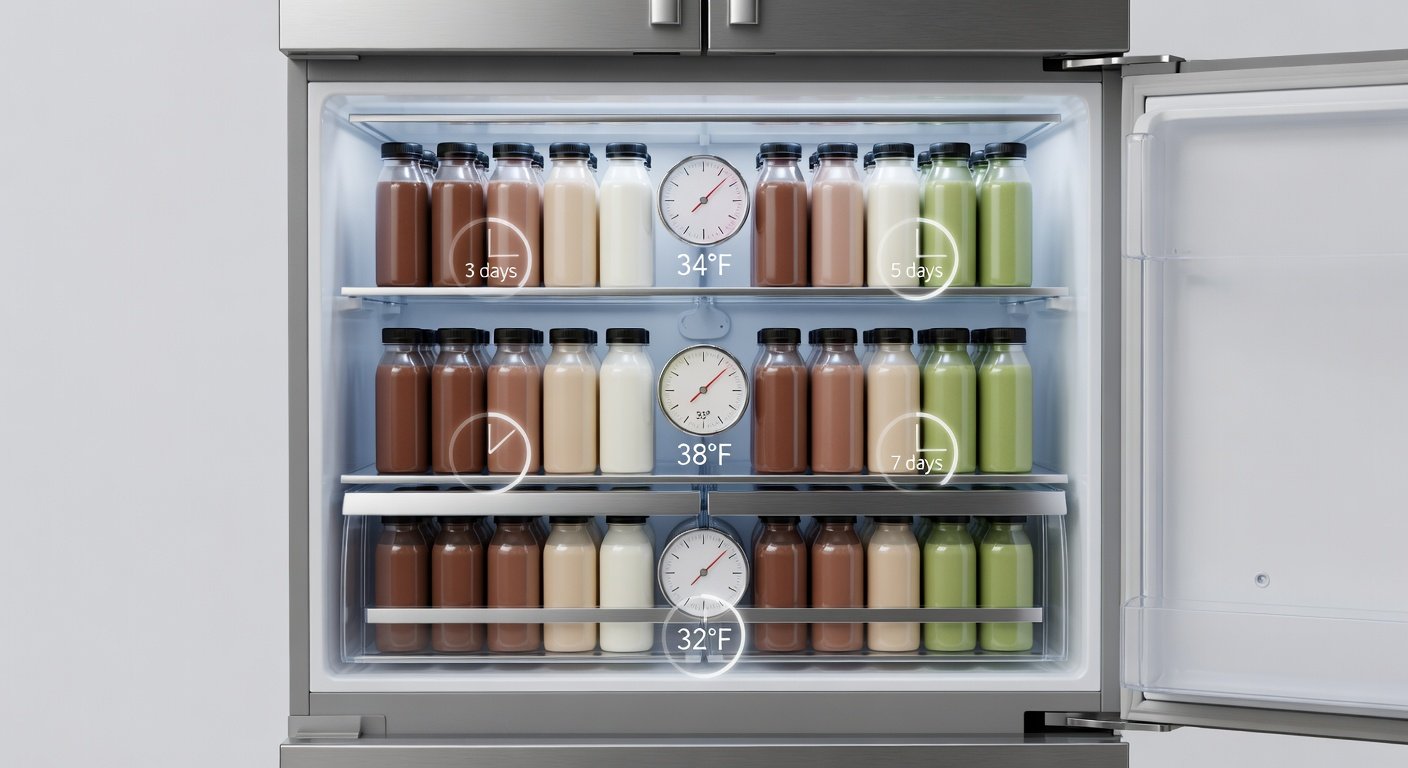
Refrigeration dramatically extends the safe consumption window for mixed protein shakes. When stored properly in the refrigerator at 40°F or below, a protein shake can remain safe for 24-48 hours, though quality may begin to decline after the first day. The cold temperature slows bacterial growth significantly, but doesn’t stop it entirely. Some fitness enthusiasts prepare multiple shakes in advance, but this practice requires strict adherence to proper storage protocols. Always use clean containers, minimize air exposure by using tight-fitting lids, and store shakes in the coldest part of your refrigerator, typically the back of the main compartment rather than the door where temperatures fluctuate more frequently.
Temperature Control and Storage Best Practices
Proper temperature control is the most critical factor in extending protein shake shelf life safely. The moment you mix your protein powder with liquid, the countdown begins, and temperature becomes your primary defense against bacterial growth. If you’re planning to consume your shake within 30 minutes, room temperature storage is acceptable, but anything longer requires refrigeration. For gym-goers and busy professionals, insulated bottles with ice packs can maintain safe temperatures for several hours, effectively extending the safe consumption window. However, even with proper cooling, mixed shakes should never be kept longer than 48 hours due to protein degradation and potential bacterial growth that can occur even under refrigeration.
Protein Powder Expiration: Dry vs Mixed Forms
Dry protein powder has a remarkably different expiration profile compared to mixed shakes, primarily due to its low water activity level. Most protein powders come with expiration dates ranging from 12-24 months from the manufacturing date, but these dates often represent peak quality rather than safety cutoffs. Unopened protein powder stored in cool, dry conditions can often remain safe and effective well beyond the printed expiration date, though potency and taste may gradually decline. The key factors affecting protein powder longevity include moisture exposure, temperature fluctuations, and contamination from dirty scoops or hands. Unlike mixed shakes, dry protein powder doesn’t support bacterial growth in its dehydrated state, making it significantly more stable for long-term storage.
However, protein powder expiration becomes more complex once the container is opened and exposed to environmental factors. Each time you open the container, you introduce potential moisture and contaminants that can accelerate degradation. Whey protein, the most common type, is particularly susceptible to oxidation and can develop rancid flavors over time. Plant-based proteins may have different degradation patterns, with some being more stable than others. The protein content itself remains relatively stable past expiration dates, but additional ingredients like vitamins, probiotics, and flavor compounds can lose potency more quickly. This is why expired protein powder might taste off or seem less effective even when it’s technically safe to consume.
Signs Your Protein Powder Has Gone Bad
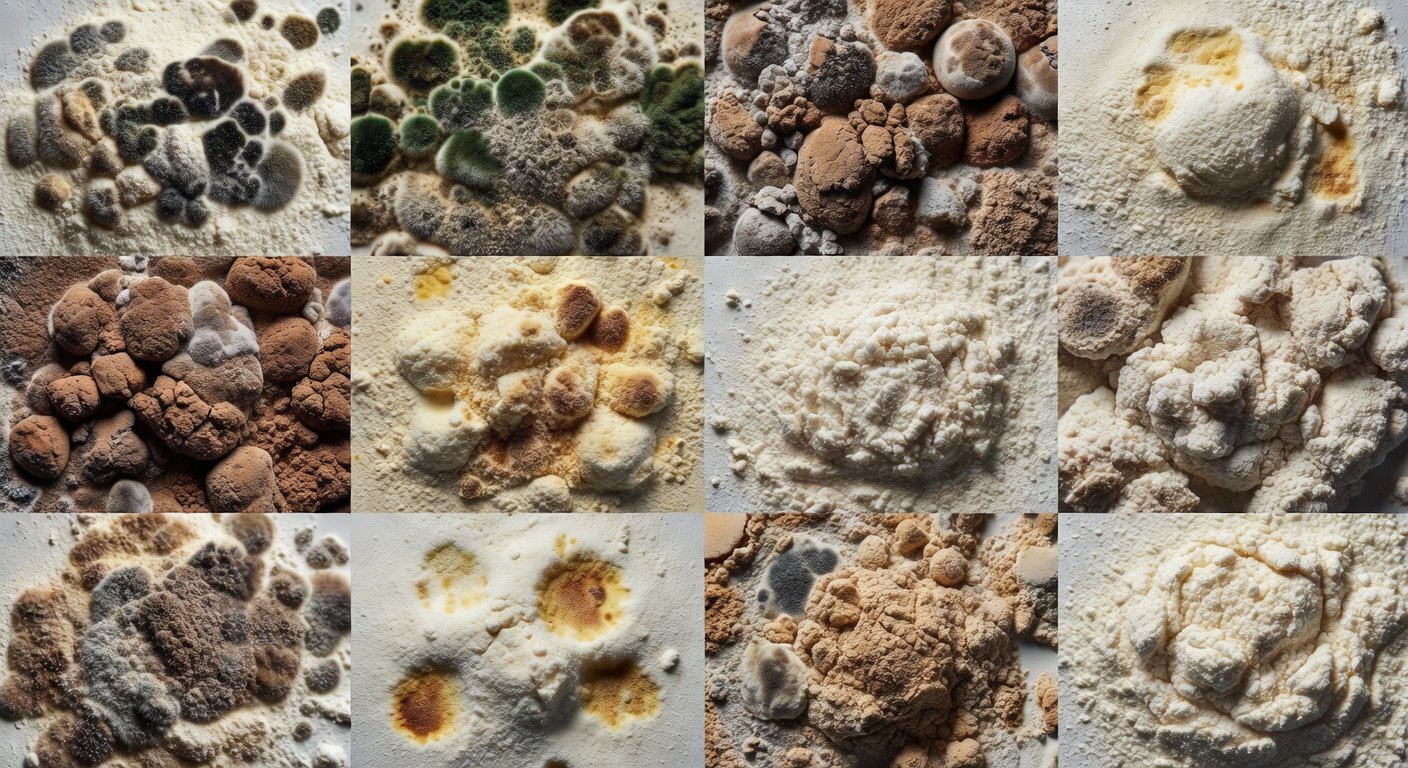
Identifying spoiled protein powder requires attention to several sensory and visual cues that indicate degradation or contamination. The most obvious sign is the presence of mold, which appears as fuzzy growths in various colors including green, black, or white spots throughout the powder. Mold growth typically occurs when moisture has entered the container, creating conditions for fungal development. Another clear indicator is clumping that goes beyond normal settling—if your protein powder has formed hard, cement-like chunks that don’t break apart easily, moisture contamination has likely occurred. Additionally, any off-odors such as sour, rancid, or musty smells indicate chemical breakdown or bacterial contamination that makes the product unsafe for consumption.
What Happens When You Drink Expired Protein Shake
Consuming an expired protein shake can lead to a range of unpleasant and potentially dangerous health consequences, depending on the degree of spoilage and bacterial contamination present. The most immediate risk comes from foodborne pathogens that can cause acute gastroenteritis, with symptoms typically appearing within 1-6 hours of consumption. These symptoms include severe nausea, vomiting, diarrhea, abdominal cramping, and in some cases, fever and dehydration. The high protein content in spoiled shakes can actually make food poisoning symptoms more severe, as certain bacteria produce toxins that are particularly problematic when they’ve had time to multiply in protein-rich environments. Young children, elderly individuals, pregnant women, and people with compromised immune systems face higher risks of serious complications from consuming spoiled protein products.
Beyond acute food poisoning, drinking expired protein shakes can cause longer-term digestive issues and may compromise your fitness goals. Spoiled protein can contain harmful bacterial byproducts and degraded amino acids that stress your digestive system, potentially leading to chronic stomach upset, altered gut bacteria balance, and reduced nutrient absorption. Some individuals report persistent nausea and loss of appetite for days after consuming spoiled protein shakes. From a fitness perspective, the digestive distress can derail training schedules and recovery, while the degraded protein provides little to no muscle-building benefit. The financial cost of medical treatment for severe food poisoning often far exceeds the cost of replacing expired protein powder, making proper storage and timely consumption a wise investment in both health and budget.
Emergency Response to Spoiled Protein Consumption
If you’ve accidentally consumed what you suspect is a spoiled protein shake, immediate action can help minimize potential health impacts. First, stop consuming the product immediately and note the time of consumption, as this information will be valuable if symptoms develop. Stay hydrated by drinking clear fluids like water or electrolyte solutions, but avoid dairy products or additional protein supplements that could further stress your digestive system. Monitor yourself closely for the next 6-12 hours for symptoms of food poisoning, including nausea, vomiting, diarrhea, or abdominal pain. While mild stomach upset might resolve on its own, severe symptoms such as persistent vomiting, high fever, bloody stools, or signs of dehydration warrant immediate medical attention. Keep the remaining product and packaging for potential testing if symptoms become severe.
Maximizing Protein Shake Shelf Life Safely
Extending the safe shelf life of both protein powder and mixed shakes requires implementing systematic storage and handling practices that minimize contamination and degradation risks. For dry protein powder, the key principles involve controlling moisture, temperature, and contamination. Store unopened containers in cool, dry locations away from direct sunlight and heat sources like stoves or heating vents. Once opened, transfer powder to airtight containers if the original packaging isn’t resealable, and always use clean, dry scoops to prevent introducing moisture or bacteria. Consider using desiccant packets in humid climates to absorb excess moisture, and never store protein powder in refrigerators or freezers where condensation can form when containers are removed and reach room temperature.
For mixed protein shakes, preparation and storage techniques can significantly impact safety and quality retention. Use cold liquids when mixing, as this provides a head start on temperature control and can slow initial bacterial growth. Clean all equipment thoroughly before use, including blender bottles, scoops, and measuring cups. When storing mixed shakes, use glass or BPA-free plastic containers with tight-fitting lids to minimize air exposure and prevent contamination. Label containers with preparation dates and times to track freshness, and implement a first-in, first-out rotation system if preparing multiple shakes. For optimal safety, prepare shakes as close to consumption time as possible, and when in doubt about freshness or storage conditions, err on the side of caution and discard questionable products.
Travel and On-the-Go Storage Solutions
Maintaining protein shake safety while traveling or during busy schedules requires specialized storage strategies and equipment. Insulated shaker bottles with built-in ice chambers can keep mixed shakes at safe temperatures for 4-6 hours, making them ideal for gym sessions or work commutes. For longer periods, consider using small coolers with ice packs, but monitor temperatures with thermometers to confirm they remain below 40°F. Alternatively, carry dry protein powder in individual serving containers and mix fresh shakes as needed using clean water sources. This approach eliminates time-based safety concerns while ensuring optimal taste and nutritional value. When traveling by air, remember that mixed shakes may not pass security screening, so plan to mix fresh shakes after clearing checkpoints.
Frequently Asked Questions
How long does a protein shake last in the fridge?
A properly stored protein shake can last 24-48 hours in the refrigerator at 40°F or below. However, quality and taste are best within the first 24 hours. Always use clean containers with tight-fitting lids and store in the coldest part of your refrigerator.
Can expired protein powder make you sick?
Expired protein powder is unlikely to make you sick if it shows no signs of spoilage like mold, clumping, or off odors. However, it may have reduced potency and altered taste. Mixed protein shakes from expired powder carry higher risks if not consumed promptly.
How can you tell if protein powder is bad?
Look for visible mold growth, hard clumping that won’t break apart, off odors (sour, rancid, or musty), or any discoloration. Fresh protein powder should flow freely, smell neutral or pleasant, and maintain its original color.
Is it safe to drink a day-old protein shake?
A day-old protein shake is safe only if it has been continuously refrigerated at 40°F or below since mixing. Never consume protein shakes that have been left at room temperature for more than 2 hours, as bacterial growth can reach dangerous levels.
Does protein powder expire?
Yes, protein powder does expire, though it often remains safe beyond the printed date if stored properly. The expiration date typically indicates peak quality rather than safety. Unopened powder stored in cool, dry conditions can last 6-12 months past the expiration date.
Need Personalized Nutrition Guidance?
Understanding protein safety is just one piece of optimizing your nutrition strategy. Our certified nutritionists can help you develop a comprehensive approach to supplementation that fits your lifestyle, training goals, and safety requirements. Contact us today to schedule a consultation and take the guesswork out of your nutrition plan.


