


Why Traditional Sodas Are Sabotaging Your Health Goals
Regular soda consumption delivers a devastating blow to your health through multiple pathways that extend far beyond simple calorie counting. A single 12-ounce can of cola contains approximately 39 grams of sugar—equivalent to nearly 10 teaspoons—which triggers rapid blood glucose spikes followed by energy crashes that leave you craving more. This sugar primarily comes from high fructose corn syrup (HFCS), a processed sweetener that bypasses normal satiety signals and contributes to increased appetite and weight gain. The phosphoric acid used to create that signature tangy flavor actively leaches calcium from your bones, potentially weakening bone density over time. Meanwhile, the caffeine content, while providing temporary alertness, can disrupt sleep patterns and create dependency cycles that affect your overall energy levels throughout the day.
The artificial colors and preservatives found in most commercial sodas represent another layer of concern for health-conscious individuals. These synthetic additives have been linked to hyperactivity in children and may trigger allergic reactions in sensitive individuals. The caramel coloring used in dark sodas contains 4-methylimidazole, a compound that forms during the manufacturing process and has raised concerns among health researchers. Additionally, the extreme acidity of most sodas—with pH levels between 2.5 and 4.0—creates an environment that promotes tooth enamel erosion and dental decay. Regular consumption of these beverages essentially bathes your teeth in acid for extended periods, leading to cavities, sensitivity, and long-term dental problems that require expensive treatment.
Understanding Healthy Soda Alternatives: What Makes Them Better
The landscape of healthy soda alternatives has evolved dramatically, offering sophisticated options that satisfy carbonation cravings without compromising your nutritional goals. These healthier alternatives typically feature significantly reduced sugar content, natural flavoring systems, and functional ingredients that provide actual health benefits rather than empty calories. Many incorporate prebiotic fibers that support digestive health, adaptogens that help manage stress response, or electrolytes that aid in hydration. The key differentiator lies in their ingredient profiles: instead of relying on artificial sweeteners, colors, and preservatives, quality alternatives use natural fruit essences, plant-based sweeteners like stevia or monk fruit, and real functional ingredients that contribute to overall wellness rather than detracting from it.
Quality healthy carbonated drinks focus on transparency and simplicity in their formulations, often containing fewer than ten ingredients that you can actually pronounce and understand. These beverages typically avoid high fructose corn syrup, artificial colors, and synthetic preservatives, instead opting for natural preservation methods and flavoring systems derived from real fruits, herbs, and botanicals. The carbonation levels are often more moderate than traditional sodas, providing the satisfying fizz without the aggressive bite that can contribute to digestive discomfort. Many also incorporate beneficial compounds like probiotics, antioxidants from natural fruit extracts, or minerals that support various bodily functions, transforming your beverage choice from a nutritional liability into a functional component of your daily wellness routine.
Sparkling Water vs Soda: The Fundamental Differences
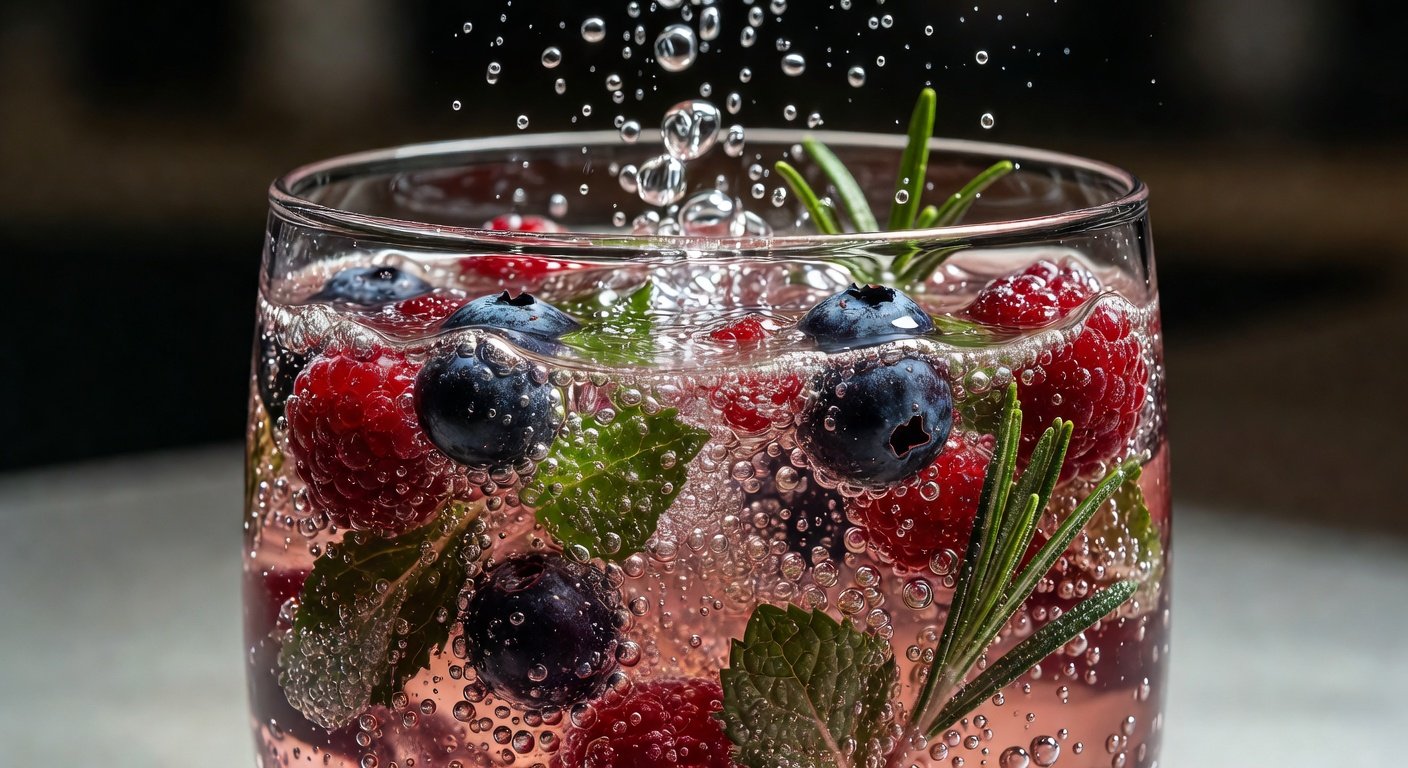
The comparison between sparkling water and traditional soda reveals stark differences that extend far beyond taste preferences into fundamental nutritional and health implications. Plain sparkling water contains zero calories, zero sugar, and zero artificial additives—essentially providing the satisfying carbonation experience without any of the problematic ingredients found in conventional soft drinks. The carbonation in sparkling water comes from dissolved carbon dioxide gas, which creates the same fizzy sensation as soda but without the metabolic consequences. Some naturally sparkling waters also contain beneficial minerals like magnesium, calcium, and potassium that are absorbed during the natural carbonation process in underground springs. These minerals can contribute to your daily nutritional needs, particularly for individuals who struggle to meet their mineral requirements through food alone.
The Role of Natural Sweeteners in Healthier Options
Natural sweeteners used in healthy soda alternatives offer sweetness without the dramatic blood sugar spikes associated with conventional sugar or high fructose corn syrup. Stevia, derived from the leaves of the Stevia rebaudiana plant, provides intense sweetness with zero calories and has been shown to have minimal impact on blood glucose levels, making it suitable for individuals managing diabetes or following low-carb lifestyles. Monk fruit extract, another popular natural sweetener, contains mogrosides that are 150-200 times sweeter than sugar but don’t contribute to caloric intake or affect insulin response. These natural alternatives allow manufacturers to create satisfying sweet flavors without the metabolic disruption caused by refined sugars, though some individuals may notice slight aftertastes that differ from conventional sugar sweetness.
Functional Beverages: Prebiotic and Probiotic Sodas
The emergence of prebiotic and probiotic sodas represents a significant evolution in the beverage industry, transforming carbonated drinks from nutritional negatives into functional health tools. Prebiotic sodas contain specific types of fiber that feed beneficial bacteria in your digestive system, supporting gut health and potentially improving immune function, mood regulation, and nutrient absorption. These beverages typically include ingredients like inulin, chicory root fiber, or resistant starch that survive the digestive process and reach the colon where they nourish beneficial microorganisms. The carbonation in these drinks doesn’t interfere with the prebiotic function, and many users report improved digestive comfort and regularity when incorporating these beverages into their routine. However, individuals new to prebiotic consumption should start slowly, as sudden increases in fiber intake can cause temporary digestive discomfort including gas and bloating.
Probiotic sodas take the functional approach one step further by actually delivering live beneficial bacteria along with the refreshing carbonated experience. These beverages undergo careful fermentation processes that create both the carbonation and the probiotic cultures, similar to kombucha but often with milder flavors and lower acidity levels. The live cultures in these drinks can potentially support digestive health, immune function, and even mental well-being through the gut-brain axis connection. Manufacturing probiotic sodas requires precise temperature control and specialized packaging to maintain bacterial viability, which often results in higher price points compared to conventional alternatives. The effectiveness of these beverages depends on the specific strains used, their concentration levels, and whether they survive the journey through your digestive system to reach the intestines where they can colonize and provide benefits.
Kombucha: The Original Functional Fizzy Drink
Kombucha stands as the pioneer of functional carbonated beverages, offering a complex flavor profile along with potential health benefits that have attracted millions of health-conscious consumers. This fermented tea beverage naturally develops carbonation through the fermentation process, creating a tangy, slightly sweet drink that contains probiotics, antioxidants from tea, and various organic acids that may support digestive health. The fermentation process typically reduces the sugar content significantly compared to the initial brewing mixture, though finished kombucha still contains some residual sugars that contribute to its palatability. Quality kombucha brands maintain strict brewing standards to control alcohol content (keeping it under 0.5% to remain non-alcoholic), ensure consistent probiotic levels, and prevent contamination that could compromise both safety and effectiveness.
The Artificial Sweetener Debate: Separating Facts from Fiction
The controversy surrounding artificial sweeteners in diet sodas and sugar-free alternatives continues to generate heated debates among health professionals, researchers, and consumers seeking healthier beverage options. Aspartame, sucralose, and acesulfame potassium have undergone extensive safety testing by regulatory agencies worldwide, with current approved usage levels considered safe for the general population. However, some individuals report experiencing headaches, digestive issues, or other symptoms they attribute to artificial sweetener consumption, though establishing direct causal relationships remains challenging due to individual variations in sensitivity and metabolism. Recent research has also explored potential connections between artificial sweeteners and gut microbiome changes, glucose metabolism alterations, and cravings for sweet foods, though results remain mixed and require further investigation to draw definitive conclusions.
The practical reality for most consumers lies in finding a balance between satisfying sweet cravings and minimizing potential risks associated with both sugar and artificial sweeteners. Some individuals thrive on diet sodas sweetened with artificial alternatives, experiencing no adverse effects while successfully managing caloric intake and blood sugar levels. Others find that artificial sweeteners trigger increased cravings for sweet foods or cause digestive discomfort, making natural alternatives or unsweetened options more suitable for their needs. The key lies in paying attention to your individual response patterns and choosing options that align with your health goals, taste preferences, and any specific sensitivities you may have. Consulting with healthcare providers can provide personalized guidance, particularly for individuals with diabetes, phenylketonuria (PKU), or other conditions that may be affected by specific sweetener choices.
Reading Labels: What to Look For and Avoid
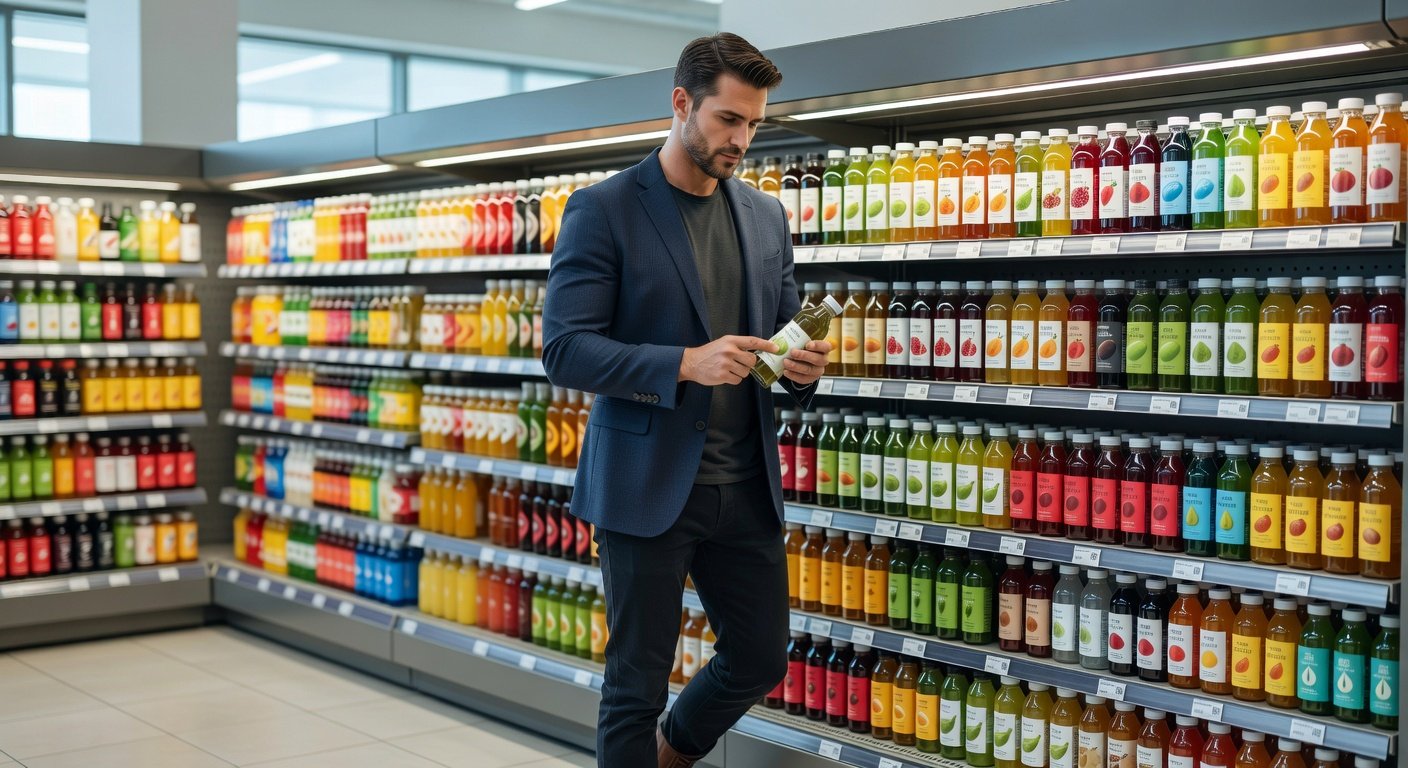
Effective label reading for healthy soda alternatives requires understanding both obvious red flags and subtle marketing tactics that can mislead health-conscious consumers. Start by examining the ingredient list, which appears in descending order by weight—if sugar, high fructose corn syrup, or artificial sweeteners appear among the first few ingredients, you’re likely looking at a product that won’t align with health-focused goals. Look for specific sugar content per serving, keeping in mind that beverages often contain multiple servings per container, which can make single-serving sugar content appear deceptively low. Natural flavors, while generally preferable to artificial ones, can still be highly processed and may not provide the nutritional benefits you might expect from the term ‘natural.’ Pay attention to sodium content, as some sparkling beverages contain surprisingly high levels that can contribute to daily sodium intake limits.
Low Sugar Soda Options That Actually Taste Good
The challenge with low sugar sodas lies in maintaining satisfying flavor profiles while dramatically reducing sweetener content, but several approaches have proven successful in creating genuinely enjoyable alternatives. Fruit-forward formulations rely on natural fruit essences and small amounts of real fruit juice to provide sweetness and flavor complexity without requiring large amounts of added sugars. These beverages often contain 2-8 grams of sugar per serving compared to the 35-40 grams found in regular sodas, deriving their sweetness from concentrated fruit flavors and minimal amounts of natural sweeteners like cane sugar or agave. The key to their success lies in balancing acidity, carbonation levels, and natural flavor compounds to create a satisfying drinking experience that doesn’t leave you feeling like you’re consuming a compromise product.
Botanical and herb-infused low sugar sodas represent another successful approach, utilizing complex flavor profiles from ingredients like ginger, turmeric, elderflower, or adaptogenic herbs to create interesting taste experiences that don’t rely heavily on sweetness. These beverages often appeal to more sophisticated palates and can provide functional benefits beyond basic refreshment. Ginger-based sodas, for example, may offer digestive support and anti-inflammatory compounds, while elderflower varieties provide antioxidants and unique floral notes. The carbonation in these products is often more subtle than traditional sodas, allowing the botanical flavors to shine without being overwhelmed by aggressive fizz. Many consumers find that their taste preferences actually evolve when regularly consuming these lower-sugar alternatives, with overly sweet beverages eventually becoming less appealing as their palates adjust to more nuanced flavor profiles.
Hydration Considerations: Carbonation and Electrolytes
The relationship between carbonated beverages and hydration remains more nuanced than simple assumptions might suggest, with research indicating that sparkling water contributes to daily fluid intake nearly as effectively as still water. The carbonation itself doesn’t significantly impair hydration, though some individuals may find that highly carbonated beverages cause temporary bloating or digestive discomfort that reduces their desire to consume adequate fluids. Electrolyte-enhanced sparkling beverages can actually provide superior hydration benefits compared to plain water, particularly for individuals who engage in regular physical activity or live in hot climates where mineral loss through perspiration becomes significant. These products typically contain balanced amounts of sodium, potassium, and magnesium that support proper fluid balance and muscle function without the excessive sugar content found in traditional sports drinks.
Making the Transition: Practical Tips for Switching
Successfully transitioning from regular soda to healthier alternatives requires a strategic approach that acknowledges both physiological and psychological aspects of beverage preferences. Gradual reduction often proves more sustainable than abrupt elimination, allowing your taste buds to adjust to less intense sweetness levels while avoiding the potential withdrawal symptoms associated with sudden caffeine reduction. Start by replacing one daily soda with a healthier alternative, choosing options that provide similar flavor profiles or carbonation levels to ease the transition. For individuals accustomed to cola flavors, naturally flavored sparkling waters with cherry or vanilla notes can provide familiar taste elements without the sugar load. Those who rely on soda for caffeine intake should consider alternatives that provide natural energy support, such as green tea-based sparkling beverages or those enhanced with natural caffeine from sources like yerba mate or guarana.
Environmental and situational factors play crucial roles in successful beverage transitions, requiring attention to the contexts where soda consumption typically occurs. Stock your refrigerator, office, and car with preferred healthy alternatives to eliminate the temptation and inconvenience factors that often lead to poor beverage choices. Experiment with different brands and flavor profiles during your transition period, as individual preferences vary significantly and what works for others may not align with your taste preferences. Consider the social aspects of beverage consumption as well—having appealing alternatives available when entertaining or dining out can prevent reverting to old habits due to limited options. Many individuals find that keeping a variety of healthy carbonated options available prevents boredom and maintains interest in the new beverage choices, making the transition feel less restrictive and more exploratory.
Frequently Asked Questions
What is the healthiest soda to drink?
The healthiest soda alternatives include unsweetened sparkling water, prebiotic sodas with natural sweeteners, and kombucha with low sugar content. Look for options with fewer than 5 grams of sugar per serving and natural ingredients without artificial colors or preservatives.
Is diet soda healthier than regular?
Diet soda eliminates sugar and calories but contains artificial sweeteners that some people prefer to avoid. While generally considered safe by regulatory agencies, some individuals experience better results with natural alternatives like stevia-sweetened sparkling beverages or unsweetened options.
Is sparkling water as healthy as regular water?
Sparkling water provides equivalent hydration to still water and can help meet daily fluid needs. The carbonation doesn’t impair hydration, though some people may experience temporary bloating. Choose varieties without added sugars or artificial sweeteners for optimal health benefits.
Are prebiotic sodas worth it?
Prebiotic sodas can support digestive health by feeding beneficial gut bacteria, but benefits vary by individual. They’re worth trying if you enjoy carbonated beverages and want functional benefits, though start slowly to avoid digestive discomfort from increased fiber intake.
Does carbonation affect bone density?
Plain carbonated water doesn’t negatively impact bone density. However, sodas containing phosphoric acid may interfere with calcium absorption. Choose sparkling waters or sodas without phosphoric acid to avoid potential bone health concerns while enjoying carbonated beverages.
Ready to Optimize Your Nutrition Strategy?
Making smarter beverage choices represents just one component of a comprehensive approach to health and fitness. Our nutrition experts can help you develop personalized strategies that align with your lifestyle, taste preferences, and health goals. Contact us today to explore how small changes in your daily routine can compound into significant improvements in energy, performance, and overall well-being.


