


Understanding What Whiskey Neat Actually Means
When you order whiskey neat at a bar, you’re requesting the spirit served at room temperature in a glass with absolutely nothing added—no ice, no water, no mixers. The term “neat” refers to the whiskey being poured directly from the bottle into your glass, typically a rocks glass or Glencairn glass, allowing you to experience the spirit exactly as the distiller intended. This serving method represents the purest way to taste whiskey, as it preserves the original flavor profile without any dilution or temperature alteration that could mask subtle notes and complexities.
The concept of drinking whiskey neat has deep roots in whiskey culture and represents a mark of sophistication among enthusiasts. When whiskey is served neat, it maintains its full strength, usually between 40-60% alcohol by volume, which means you’ll taste every nuance the distiller crafted into the spirit. This method allows the whiskey’s natural oils and congeners to remain intact, providing the most authentic representation of the liquid. For newcomers to whiskey appreciation, drinking neat can be intense, but it’s considered the gold standard for truly understanding a whiskey’s character and quality.

Whiskey Neat vs Rocks vs Straight Up: Key Differences
The distinction between whiskey neat and other serving styles often confuses even experienced drinkers, but each method serves a specific purpose. Whiskey neat means no ice, no water, served at room temperature in a glass. Whiskey on the rocks includes ice cubes, which gradually dilute the spirit and lower its temperature, making it more approachable for some palates. The ice also changes the whiskey’s mouthfeel and can mute certain flavor compounds while highlighting others. Many bartenders recommend starting with neat whiskey, then adding ice if you find the alcohol too intense.
Whiskey served “straight up” creates the most confusion because the term varies by establishment. Traditionally, straight up means the whiskey is chilled and strained, similar to how you’d serve a martini, but without any mixers. However, some bartenders interpret straight up as synonymous with neat. When ordering whiskey at a bar, it’s always best to specify exactly how you want it served to avoid confusion. The temperature and dilution level dramatically affect how you perceive the whiskey’s flavor profile, so understanding these differences helps you order with confidence.
Why Temperature Matters for Whiskey Flavor
Temperature plays a crucial role in how you perceive whiskey’s flavor compounds, making the neat serving method particularly important for tasting. At room temperature, whiskey’s volatile compounds are more active, allowing you to smell and taste the full spectrum of aromas and flavors. When whiskey is too cold, these compounds become less volatile, which can mask delicate notes like vanilla, caramel, or fruit esters. Conversely, if whiskey becomes too warm, the alcohol can overpower other flavors, creating an unbalanced tasting experience that emphasizes heat over complexity.
How to Drink Whiskey Neat Like a Pro
Drinking whiskey neat requires a specific technique to fully appreciate the spirit without being overwhelmed by its intensity. Start by pouring a small amount—typically one to two ounces—into an appropriate glass. Before taking your first sip, hold the glass at chest level and observe the whiskey’s color and clarity. Swirl the liquid gently to release aromatic compounds, then bring the glass to your nose and inhale slowly. Take note of the initial aromas before taking a small sip, allowing the whiskey to coat your palate before swallowing. This methodical approach helps you identify different flavor layers and appreciate the whiskey’s complexity.
The key to enjoying whiskey neat is patience and gradual acclimation to the alcohol content. Many newcomers make the mistake of taking large sips, which can overwhelm the palate with alcohol burn and prevent proper flavor appreciation. Instead, take small sips and allow your mouth to adjust to the alcohol content. Some whiskey enthusiasts recommend adding a few drops of water to open up the flavors, especially with cask-strength whiskeys that exceed 50% alcohol by volume. This technique, known as “opening up” the whiskey, can reveal hidden flavors and make the drinking experience more enjoyable without significantly altering the neat presentation.
Proper Glassware for Neat Whiskey
The choice of glassware significantly impacts your neat whiskey experience, with different glass shapes designed to enhance specific aspects of the spirit. The Glencairn glass, with its tulip shape and narrow opening, concentrates aromas and is preferred by whiskey professionals for tasting. A rocks glass (old fashioned glass) provides a more casual drinking experience and works well for everyday sipping. Snifters, traditionally used for cognac, also work excellently for neat whiskey as they trap aromas effectively. The glass you choose should feel comfortable in your hand and allow you to appreciate both the visual and aromatic qualities of the whiskey.
Ordering Whiskey at a Bar: Essential Etiquette
When ordering whiskey at a bar, clear communication prevents confusion and ensures you receive exactly what you want. Start by specifying the whiskey brand or type you prefer, followed by how you want it served. For example, “I’ll have a Maker’s Mark neat” or “Could I get a Jameson neat, please?” If you’re unsure about the bar’s whiskey selection, ask your bartender for recommendations based on your preferences. Quality establishments often have knowledgeable bartenders who can guide you toward whiskeys that suit your taste profile, whether you prefer smoky Scotch, smooth bourbon, or spicy rye whiskey.
Proper bar etiquette extends beyond just ordering—it includes respecting the whiskey and the establishment’s atmosphere. When your neat whiskey arrives, take time to appreciate it rather than rushing through the drink. This shows respect for the spirit and the bartender’s craft. If you’re at a whiskey-focused establishment, feel free to ask questions about the whiskey’s origin, age, or flavor profile. Most bartenders at quality establishments enjoy sharing their knowledge and appreciate customers who show genuine interest in the spirits they’re serving. Remember that drinking whiskey neat is meant to be a contemplative experience, not a race.
Tipping and Payment Etiquette
When ordering premium whiskey neat, especially at upscale establishments, proper tipping reflects the quality of service and the value of the spirit you’re enjoying. Standard tipping for neat whiskey follows the same guidelines as other cocktails—typically 18-20% of the total bill. However, if your bartender provides exceptional service, offers detailed information about the whiskey, or helps you select from an extensive collection, consider tipping more generously. Remember that quality whiskey often comes with higher prices, and bartenders at establishments with extensive whiskey programs typically possess specialized knowledge that enhances your drinking experience.
Best Whiskeys for Drinking Neat
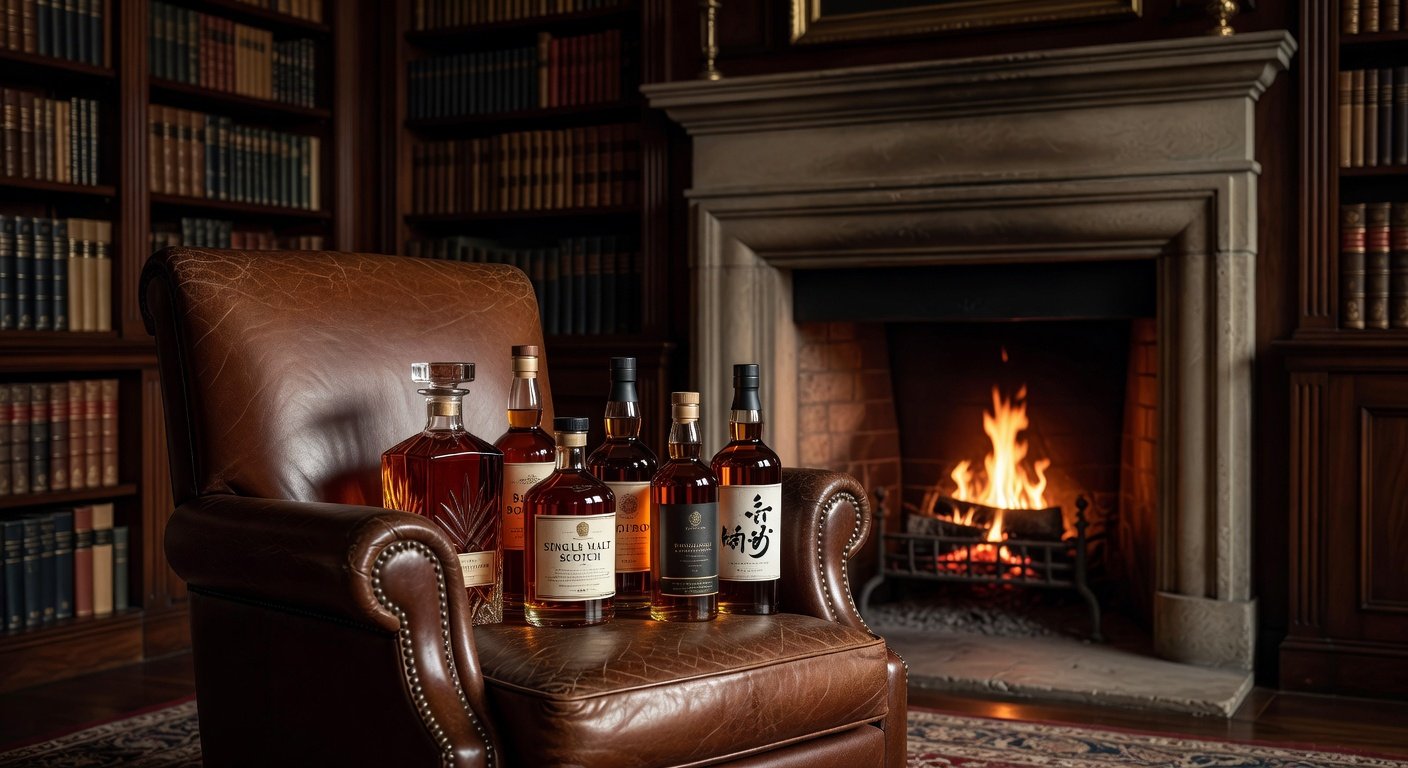
Not all whiskeys are created equal when it comes to neat consumption, and certain characteristics make some spirits more suitable for this serving method. Single malt Scotch whiskeys often excel when served neat because their complex flavor profiles shine without dilution. Brands like Macallan, Glenfiddich, and Lagavulin offer different flavor experiences, from smooth and honeyed to peated and smoky. Premium bourbons such as Eagle Rare, Woodford Reserve, and Blanton’s also work excellently neat, providing rich vanilla and caramel notes without overwhelming alcohol heat. Japanese whiskeys like Yamazaki and Hibiki have gained recognition for their exceptional neat drinking qualities, offering delicate balance and refined complexity.
When selecting whiskey for neat consumption, consider the alcohol content and flavor intensity. Whiskeys bottled at 80-90 proof (40-45% ABV) tend to be more approachable for neat drinking than cask-strength expressions that can exceed 120 proof. However, some cask-strength whiskeys are specifically designed for neat consumption and offer incredible depth when sipped slowly. Age also plays a role—older whiskeys often develop smoother characteristics that make them ideal for neat drinking, though this isn’t always the case. The best whiskey for drinking neat is ultimately the one that matches your personal taste preferences and tolerance for alcohol intensity.
Budget-Friendly Options for Neat Drinking
You don’t need to spend a fortune to enjoy quality whiskey neat, as many affordable options provide excellent neat drinking experiences. Buffalo Trace bourbon, Jameson Irish whiskey, and Famous Grouse Scotch blend offer approachable flavors and smooth finishes that work well neat without breaking the bank. These whiskeys provide good entry points for developing your palate and understanding different whiskey styles. As you become more comfortable with neat whiskey, you can gradually explore more expensive and complex expressions. Many whiskey enthusiasts recommend starting with these accessible options before investing in premium bottles.
Common Mistakes When Drinking Whiskey Neat
One of the most common mistakes when drinking whiskey neat is rushing the experience or treating it like a shot. Whiskey neat should be sipped slowly and contemplatively, allowing time to appreciate the aroma, initial taste, and finish. Taking large gulps overwhelms the palate with alcohol and prevents you from detecting subtle flavors and nuances. Another frequent error is choosing inappropriate whiskey for neat consumption—harsh, poorly made spirits will be unpleasant neat regardless of your technique. Additionally, many beginners make the mistake of drinking whiskey neat when they’re not in the right mindset or environment to appreciate it fully.
Temperature control represents another area where mistakes commonly occur. Some people serve whiskey too cold, thinking it will make it more palatable, but this actually mutes the flavors you want to experience. Conversely, leaving whiskey in direct sunlight or warm environments can make it unpleasantly hot and alcohol-forward. The ideal serving temperature for neat whiskey is room temperature, typically between 60-68°F (15-20°C). Finally, many people make the mistake of not having water available as a palate cleanser. Even when drinking whiskey neat, having water nearby helps cleanse your palate between sips and can prevent palate fatigue during longer tasting sessions.
Responsible Drinking and Health Considerations
While appreciating whiskey neat can be an enjoyable and sophisticated experience, it’s crucial to approach alcohol consumption responsibly and understand the health implications. Drinking whiskey neat means consuming alcohol at full strength, which can lead to faster intoxication compared to diluted drinks. Always pace yourself, eat food before and during drinking sessions, and never drink and drive. The concentrated nature of neat whiskey makes it easy to underestimate how much alcohol you’re consuming, especially when focusing on flavor appreciation rather than quantity.
Health experts recommend limiting alcohol consumption and being aware of personal limits and health conditions that might be affected by alcohol. If you’re new to drinking whiskey neat, start with smaller pours and longer intervals between drinks. Consider alternating with water or non-alcoholic beverages to stay hydrated and maintain better control over your alcohol intake. Remember that the goal of drinking whiskey neat is appreciation and enjoyment, not intoxication. If you have any health concerns or take medications that interact with alcohol, consult with healthcare professionals before incorporating whiskey into your routine.
Frequently Asked Questions
What does neat mean at a bar?
Neat means the whiskey is served at room temperature with nothing added—no ice, water, or mixers. It’s poured directly from the bottle into a glass, allowing you to taste the spirit exactly as the distiller intended.
Is neat the same as straight up?
No, neat and straight up are different. Neat means room temperature with nothing added, while straight up typically means chilled and strained (though some bartenders use the terms interchangeably, so it’s best to specify).
Should you add water to whiskey?
Adding a few drops of water to neat whiskey can help “open up” flavors, especially with high-proof whiskeys. This is acceptable and often recommended by whiskey experts, though it technically makes it no longer “neat.”
What is the proper way to order whiskey?
Specify the brand and how you want it served. For example, “I’ll have a Maker’s Mark neat” or “Could I get a Jameson on the rocks?” This prevents confusion and ensures you get exactly what you want.
Does ice ruin whiskey?
Ice doesn’t ruin whiskey, but it changes it. Ice dilutes the whiskey and lowers the temperature, which can mute some flavors while highlighting others. Some people prefer this, while purists prefer neat whiskey to taste the original flavor profile.
Ready to Explore Premium Whiskey?
Whether you’re just starting your whiskey journey or looking to refine your palate, understanding how to properly enjoy whiskey neat opens up a world of flavor appreciation. Visit our recommendations page to discover curated selections of whiskeys perfect for neat drinking, from budget-friendly options to premium expressions that showcase the art of distillation.


