


The Foundation of Classic Whiskey Cocktails
Walking into a quality bar and ordering whiskey cocktails with confidence separates the casual drinker from the connoisseur. These timeless drinks have weathered decades of changing trends, remaining staples on cocktail menus worldwide because they showcase whiskey’s complexity while balancing it with complementary flavors. Understanding the fundamentals of these classic whiskey cocktails means grasping how different whiskey styles interact with various ingredients, from the caramel notes of bourbon to the spicy bite of rye whiskey. Each cocktail tells a story of American drinking culture, regional preferences, and the evolution of bartending techniques that have been refined over generations.
The best whiskey drinks share common characteristics: they highlight rather than mask the spirit’s natural flavors, maintain proper balance between sweet and bitter elements, and can be consistently reproduced by skilled bartenders. Whether you prefer the simplicity of an Old Fashioned or the complexity of a Sazerac, these bourbon cocktails and rye-based creations represent the pinnacle of American cocktail craftsmanship. Learning to appreciate and order these drinks properly demonstrates sophistication and respect for bartending traditions that span more than a century of American drinking culture.
The Old Fashioned: America’s Original Whiskey Cocktail
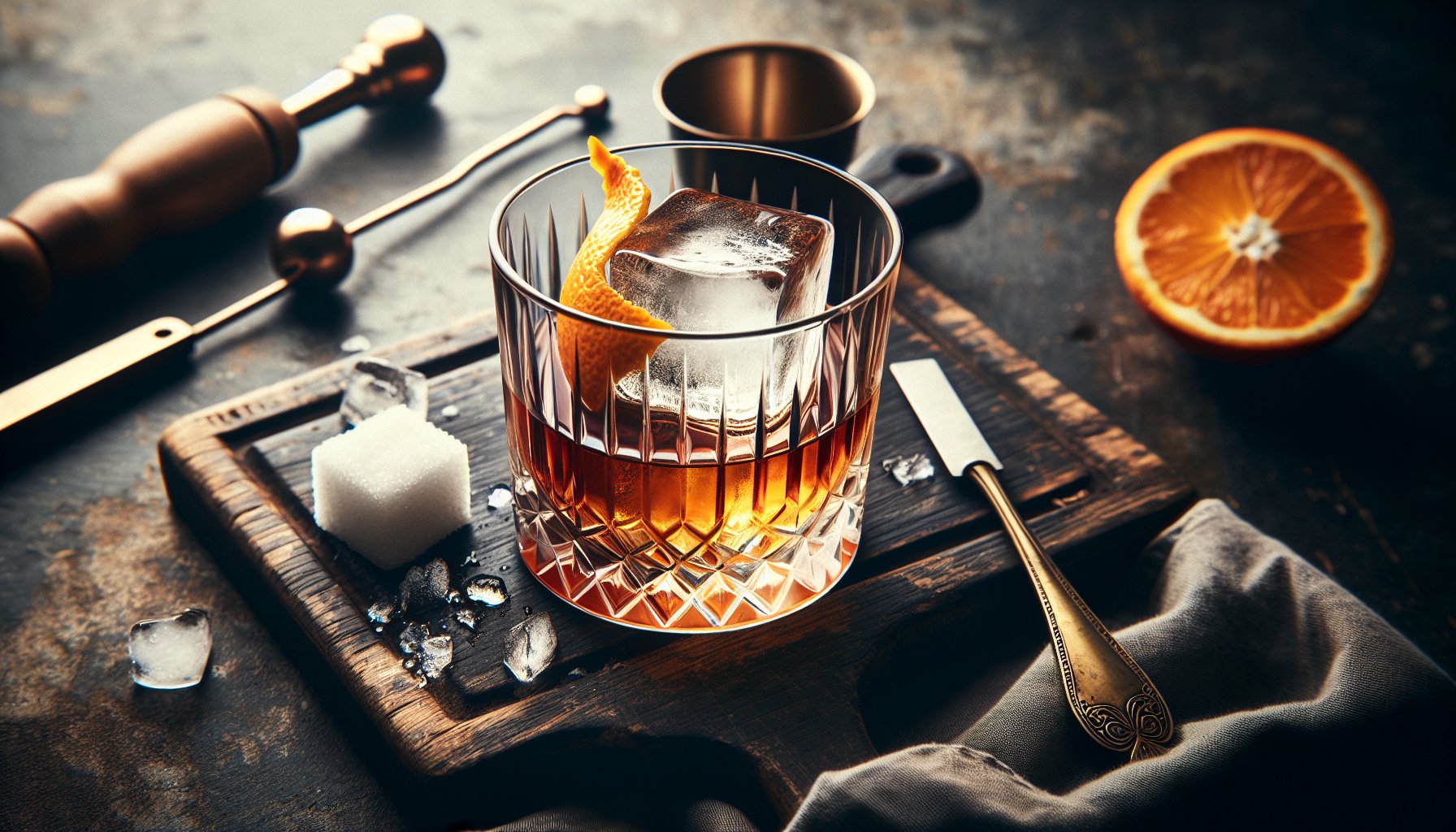
The Old Fashioned stands as the grandfather of all whiskey mixed drinks, dating back to the 1880s when bartenders began adding unnecessary ingredients to classic whiskey drinks. Purists demanded their whiskey be prepared the ‘old-fashioned way’ – simply whiskey, sugar, bitters, and water. This classic whiskey cocktail requires 2 ounces of bourbon or rye whiskey, 1 sugar cube or ½ ounce simple syrup, 2-3 dashes of Angostura bitters, and a twist of orange peel. The preparation method matters significantly: muddle the sugar and bitters with a splash of water, add whiskey and ice, then stir gently to combine without over-diluting the spirit.
Bourbon works exceptionally well in Old Fashioneds due to its natural sweetness and vanilla notes, which complement the sugar and orange oils. Rye whiskey creates a spicier, more complex version that appeals to those who prefer less sweetness. The key to ordering this drink lies in specifying your whiskey preference and whether you want it served on a large ice cube or neat. Quality establishments will express the orange peel oils over the drink’s surface before garnishing, releasing aromatic compounds that enhance the overall drinking experience. This attention to detail transforms a simple three-ingredient cocktail into something truly memorable.
Regional Variations and Modern Interpretations
Different regions have developed their own Old Fashioned variations, reflecting local whiskey preferences and cultural influences. Wisconsin’s brandy Old Fashioned substitutes brandy for whiskey and often includes muddled fruit, while Chicago-style versions might incorporate different bitters or sweeteners. Modern craft bartenders experiment with various sugars – demerara, maple syrup, or honey – and specialty bitters like walnut or chocolate to create unique flavor profiles. When ordering, you can request specific modifications like ‘bourbon Old Fashioned with maple syrup’ or ‘rye Old Fashioned with orange bitters’ to customize the drink to your preferences while respecting the cocktail’s fundamental structure.
The Manhattan: Sophisticated Whiskey Elegance
The Manhattan represents whiskey cocktail sophistication at its finest, combining 2 ounces of rye whiskey (traditionally) with 1 ounce sweet vermouth and 2-3 dashes of Angostura bitters. This classic emerged in the 1870s, allegedly created at the Manhattan Club in New York City for a banquet hosted by Winston Churchill’s mother. The drink’s elegance lies in its perfect balance: the whiskey provides backbone and complexity, sweet vermouth adds herbal depth and smoothness, while bitters contribute aromatic complexity and tie the flavors together. Served up in a chilled coupe or martini glass and garnished with a maraschino cherry, the Manhattan exemplifies cocktail refinement.
Rye whiskey remains the traditional choice for Manhattans because its spicy character creates beautiful tension with the sweet vermouth’s botanical notes. Bourbon creates a sweeter, rounder Manhattan that some prefer, though purists argue it lacks the drink’s characteristic bite. The vermouth quality significantly impacts the final product – premium sweet vermouths like Carpano Antica Formula or Dolin Rouge elevate the cocktail considerably. When ordering, specify your whiskey preference and whether you want it stirred and served up (traditional) or on the rocks. Some bars offer variations like the Perfect Manhattan (half sweet, half dry vermouth) or the Rob Roy (Scotch whisky substituted for American whiskey).
Understanding Vermouth’s Role in Whiskey Cocktails
Vermouth serves as more than just a mixer in whiskey cocktails – it’s a fortified wine infused with botanicals that adds complexity and smoothness while tempering whiskey’s intensity. Sweet vermouth contains herbs like wormwood, cinnamon, and vanilla that complement whiskey’s natural flavors, while dry vermouth offers more austere, herbaceous notes. Quality matters enormously with vermouth; cheap versions can make even premium whiskey taste flat and unbalanced. Proper vermouth storage also affects cocktail quality – it should be refrigerated after opening and consumed within a few months. Understanding these nuances helps you appreciate why skilled bartenders treat vermouth selection as seriously as whiskey choice when crafting superior whiskey mixed drinks.
The Whiskey Sour: Balancing Sweet and Tart
The Whiskey Sour demonstrates how citrus can enhance rather than compete with whiskey’s complexity, creating one of the most refreshing best whiskey drinks for warm weather or as an aperitif. The classic recipe calls for 2 ounces bourbon or rye whiskey, ¾ ounce fresh lemon juice, ¾ ounce simple syrup, and optionally, egg white for texture and foam. This combination creates perfect balance: whiskey provides depth and warmth, lemon juice adds brightness and acidity, while simple syrup smooths harsh edges and rounds out flavors. The egg white, while optional, transforms the drink’s mouthfeel, creating a silky texture and attractive foam cap that enhances both visual appeal and drinking experience.
Bourbon works particularly well in Whiskey Sours because its inherent sweetness harmonizes with the added sugar while its vanilla and caramel notes complement the lemon’s brightness. Rye whiskey creates a more assertive version with spicy undertones that some prefer for its complexity. The key to exceptional Whiskey Sours lies in using fresh lemon juice – bottled citrus juice lacks the bright acidity and aromatic oils that make this cocktail shine. When ordering, specify whether you want egg white included (many bars omit it unless requested) and your preferred whiskey type. Quality establishments will dry shake (shake without ice first) then wet shake (with ice) when egg white is included, creating optimal foam development.
The Boston Sour and Other Variations
The Boston Sour adds egg white to the basic Whiskey Sour recipe, creating a richer, more luxurious texture that many consider the superior version. Other popular variations include the New York Sour, which floats red wine on top for visual drama and additional complexity, and the Gold Rush, which substitutes honey syrup for simple syrup, adding floral notes and different sweetness characteristics. These variations demonstrate how bartenders have evolved the basic sour template while maintaining its fundamental balance principles. When ordering variations, be specific about your preferences – some bartenders automatically include egg white in their house Whiskey Sour recipe, while others require special requests for these modifications.
The Mint Julep: Southern Hospitality in a Glass
The Mint Julep embodies Southern drinking traditions, particularly associated with the Kentucky Derby where it serves as the official cocktail. This deceptively simple drink combines 2½ ounces bourbon, ¼ ounce simple syrup, and fresh mint leaves, served over crushed ice in a silver or pewter cup that frosts beautifully. The preparation ritual matters enormously: mint leaves should be gently pressed (not muddled aggressively) to release oils without breaking the leaves into bitter fragments. The crushed ice creates rapid dilution that mellows the bourbon while keeping the drink refreshingly cold, and the metal cup conducts cold efficiently, creating that signature frost that makes the drink as visually appealing as it is refreshing.
Bourbon remains the only appropriate whiskey choice for authentic Mint Juleps, as its sweetness and vanilla notes complement mint’s cooling properties perfectly. The drink’s simplicity means ingredient quality becomes paramount – fresh mint, quality bourbon, and proper ice preparation separate exceptional Juleps from mediocre ones. Traditional silver julep cups aren’t just for show; they enhance the drinking experience through superior temperature control and the sensory pleasure of holding a frosted metal vessel. When ordering, specify that you want it served in a proper julep cup if available, and don’t be surprised if quality establishments take several minutes to prepare it correctly – the careful mint handling and ice preparation require patience for optimal results.
The Sazerac: New Orleans’ Signature Whiskey Creation
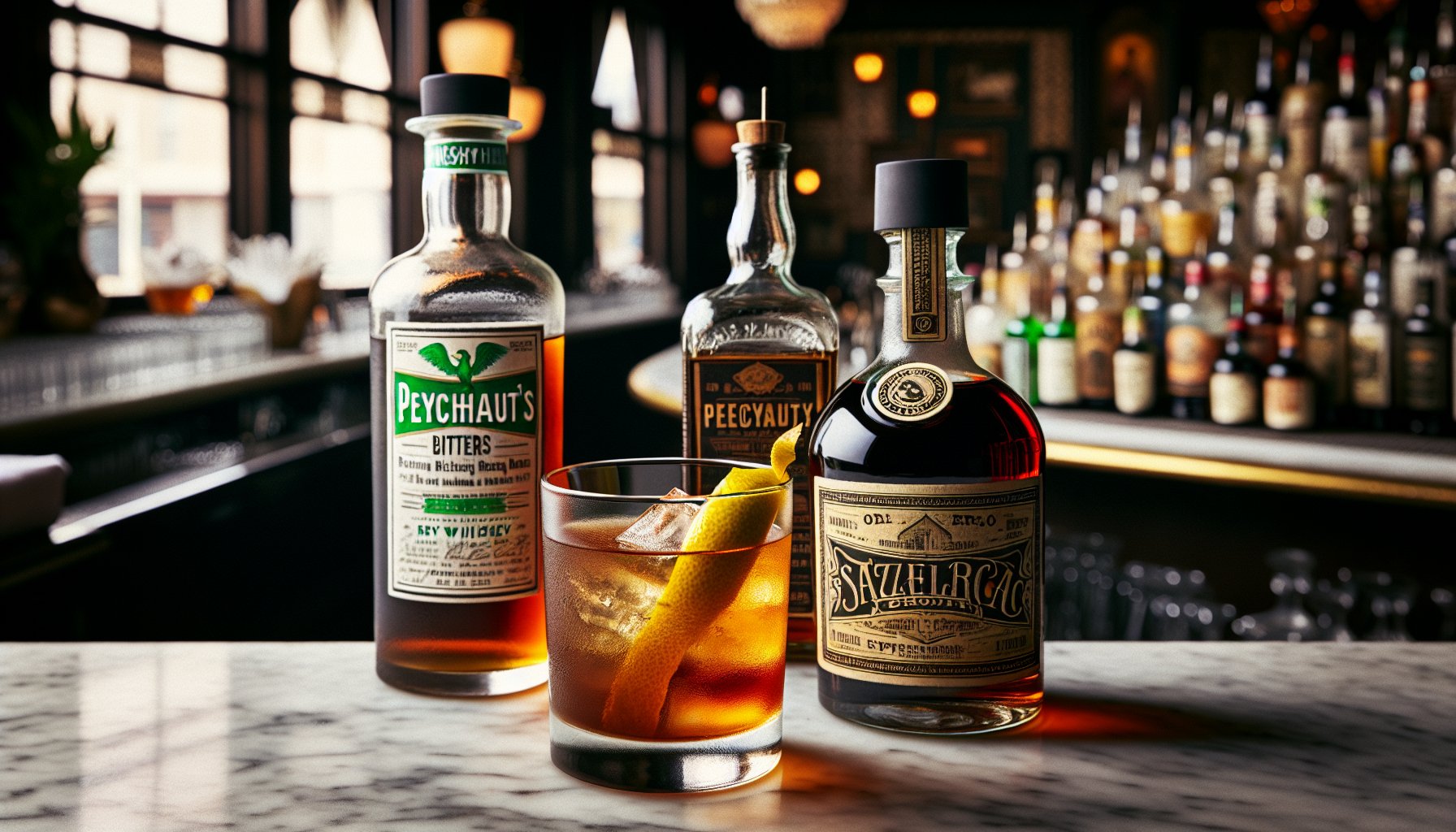
The Sazerac represents New Orleans cocktail culture at its most refined, combining 2 ounces rye whiskey, ¼ ounce simple syrup, 2-3 dashes Peychaud’s bitters, and an absinthe rinse in a ritual-heavy preparation that’s as much performance as drink-making. Originally created with cognac in the 1850s, the cocktail evolved to use rye whiskey during the phylloxera epidemic that devastated French vineyards. The absinthe rinse – coating and discarding from a chilled rocks glass – provides aromatic complexity without overwhelming anise flavor, while Peychaud’s bitters contribute a distinctive cherry-vanilla character that differs significantly from Angostura bitters used in other classic cocktails.
The Sazerac’s complexity demands precise execution: the whiskey and syrup are stirred with ice in a mixing glass while the serving glass is prepared with the absinthe rinse. The mixture is then strained into the prepared glass and garnished with a lemon peel, expressed and discarded rather than dropped into the drink. This elaborate preparation creates a cocktail with remarkable depth – the rye whiskey provides spicy backbone, Peychaud’s bitters add unique flavor complexity, and the absinthe rinse contributes aromatic intrigue that makes each sip slightly different. When ordering a Sazerac, expect knowledgeable bartenders to follow this traditional preparation method, and don’t be surprised if they take pride in demonstrating their technique.
The Importance of Peychaud’s Bitters
Peychaud’s bitters, created by Antoine Peychaud in New Orleans, remain essential to authentic Sazeracs and cannot be successfully substituted with other bitters varieties. These bitters provide a distinctive cherry-vanilla flavor profile with subtle spice notes that complement rye whiskey’s characteristics perfectly. The bright red color also contributes to the drink’s visual appeal, creating a beautiful amber-red hue when properly mixed. Many bartenders outside New Orleans lack Peychaud’s bitters, so when ordering a Sazerac, it’s worth asking if they stock this essential ingredient. Without it, you’re getting a different cocktail entirely, regardless of how skilled the preparation might be.
Choosing the Right Whiskey for Each Cocktail
Understanding which whiskey styles work best in specific cocktails elevates your ordering confidence and ensures optimal flavor experiences. Bourbon’s natural sweetness and vanilla characteristics make it ideal for Old Fashioneds, Mint Juleps, and Whiskey Sours, where these flavors complement rather than compete with other ingredients. The corn-heavy mash bill creates smooth, approachable cocktails that appeal to broader palates while still providing complexity for serious whiskey enthusiasts. Rye whiskey’s spicier profile works exceptionally well in Manhattans and Sazeracs, where its assertive character creates beautiful tension with sweet vermouth or aromatic complexity with Peychaud’s bitters.
Higher proof whiskeys (100+ proof) often work better in cocktails because dilution from ice and mixers brings them to optimal drinking strength while maintaining flavor intensity. Lower proof whiskeys can become thin and watery when mixed, losing the character that makes whiskey cocktails appealing in the first place. Age statements matter less in cocktails than in neat whiskey drinking – younger whiskeys often provide vibrant flavors that complement mixers better than overly mature spirits that might become unbalanced when combined with other ingredients. When ordering, consider asking your bartender about their house whiskey selections for cocktails, as many establishments choose specific brands that work particularly well in their preparations.
Regional Whiskey Preferences in Classic Cocktails
Different American whiskey regions produce spirits with distinct characteristics that influence cocktail performance. Kentucky bourbon tends to be sweeter and smoother, making it excellent for beginners and classic preparations. Tennessee whiskey’s charcoal filtering creates additional smoothness that works well in sours and juleps. Pennsylvania and Maryland rye whiskeys offer spicier, more complex flavors that shine in Manhattans and Sazeracs. When ordering, you might specify regional preferences – ‘Kentucky bourbon Old Fashioned’ or ‘Maryland rye Manhattan’ – to communicate your understanding of these subtle but important differences that affect the final cocktail’s character.
Proper Ordering Etiquette and Bar Communication
Ordering whiskey cocktails effectively requires clear communication about your preferences while respecting bartending traditions and establishment capabilities. Start by assessing the bar’s whiskey selection and cocktail program quality – dive bars might not stock Peychaud’s bitters for proper Sazeracs, while craft cocktail establishments usually welcome specific requests and modifications. When ordering, be specific about whiskey preferences (‘bourbon Old Fashioned’ rather than just ‘Old Fashioned’), preparation preferences (‘up’ versus ‘on the rocks’), and any modifications (‘extra dry Manhattan’ or ‘Whiskey Sour with egg white’). This specificity helps bartenders understand your expectations and deliver cocktails that match your preferences.
Timing matters when ordering complex cocktails during busy periods – Sazeracs and properly made Mint Juleps require more preparation time than simple highballs. Consider the bar’s current volume and your patience level when choosing drinks. Quality bartenders appreciate customers who understand cocktail complexity and are willing to wait for proper preparation. Tipping appropriately for well-crafted cocktails encourages bartenders to maintain high standards and take pride in their craft. Remember that these classic whiskey cocktails represent generations of refinement – ordering them shows respect for cocktail culture and provides opportunities to experience American drinking traditions at their finest.
The Art of Responsible Whiskey Cocktail Consumption
Appreciating whiskey cocktails responsibly means understanding both their alcoholic content and pacing consumption appropriately. These classic cocktails typically contain 2-2.5 ounces of whiskey per drink, significantly more alcohol than wine or beer servings. The sugar content in cocktails can mask alcohol’s effects, making it easier to consume more than intended. Responsible enjoyment involves savoring these drinks slowly, appreciating their complexity, and understanding your personal limits. Quality whiskey cocktails deserve contemplation rather than rapid consumption – they’re crafted to be sipped and appreciated, not consumed quickly.
Consider alternating whiskey cocktails with water or lower-alcohol beverages to maintain proper hydration and extend your enjoyment throughout an evening. The ritual aspects of these drinks – the stirring, the garnishes, the proper glassware – encourage slower consumption and greater appreciation. Food pairing enhances both safety and enjoyment; these cocktails complement rich foods that help slow alcohol absorption while creating interesting flavor combinations. Always arrange safe transportation when consuming alcohol, and remember that these classic cocktails represent sophisticated drinking culture that values quality over quantity and appreciation over intoxication.
Frequently Asked Questions
What is the most popular whiskey cocktail?
The Old Fashioned is widely considered the most popular whiskey cocktail, dating back to the 1880s and remaining a staple on cocktail menus worldwide. Its simple combination of whiskey, sugar, bitters, and orange peel showcases the spirit’s natural flavors while providing perfect balance.
What whiskey is best for an Old Fashioned?
Bourbon works exceptionally well in Old Fashioneds due to its natural sweetness and vanilla notes that complement the sugar and orange oils. Rye whiskey creates a spicier, more complex version. Choose higher-proof whiskeys (100+ proof) as dilution from ice brings them to optimal drinking strength.
Is bourbon or rye better for cocktails?
Both excel in different cocktails: bourbon’s sweetness works perfectly in Old Fashioneds, Mint Juleps, and Whiskey Sours, while rye’s spicy character shines in Manhattans and Sazeracs. The choice depends on whether you prefer smoother, sweeter drinks (bourbon) or more complex, spicier cocktails (rye).
What is the easiest whiskey cocktail to make?
The Old Fashioned is the easiest classic whiskey cocktail to make, requiring only whiskey, sugar, bitters, and orange peel. Its simple preparation involves muddling sugar and bitters, adding whiskey and ice, then stirring gently. No special equipment or techniques are required.
What is the difference between a Manhattan and an Old Fashioned?
The Manhattan uses sweet vermouth and is served up in a chilled glass with a cherry garnish, while the Old Fashioned uses sugar and bitters, served on ice with orange peel. Manhattans are more complex due to vermouth’s botanical notes, while Old Fashioneds showcase whiskey more directly.
Ready to Elevate Your Cocktail Knowledge?
Mastering these essential whiskey cocktails is just the beginning of developing sophisticated drinking habits and social confidence. Whether you’re planning to impress at your next business dinner or simply want to enjoy quality cocktails with friends, understanding these classics opens doors to deeper appreciation of American drinking culture. Contact our lifestyle experts to explore more ways to refine your social skills and develop the knowledge that sets confident men apart.


