


How We Rank the Fittest Cities in America
Determining the fittest cities in America requires examining multiple health and fitness indicators beyond simple obesity statistics. Our comprehensive analysis draws from data provided by the Centers for Disease Control and Prevention (CDC), the American College of Sports Medicine (ACSM), and various municipal health departments. The methodology considers five primary factors: access to fitness facilities per capita, walkability scores based on urban planning and infrastructure, air quality measurements, recreational opportunities including parks and trails, and overall obesity rates within metropolitan areas.
Each city receives scoring across these categories, with additional weight given to infrastructure that promotes active lifestyles. Cities with extensive bike lane networks, pedestrian-friendly downtown areas, and abundant green spaces typically score higher than those dominated by car-dependent suburban sprawl. Climate plays a secondary role, as year-round outdoor activity opportunities can significantly impact population fitness levels. The data reflects metropolitan statistical areas rather than city limits alone, providing a more accurate picture of regional health trends and lifestyle patterns.
Top 10 Fittest Cities in America
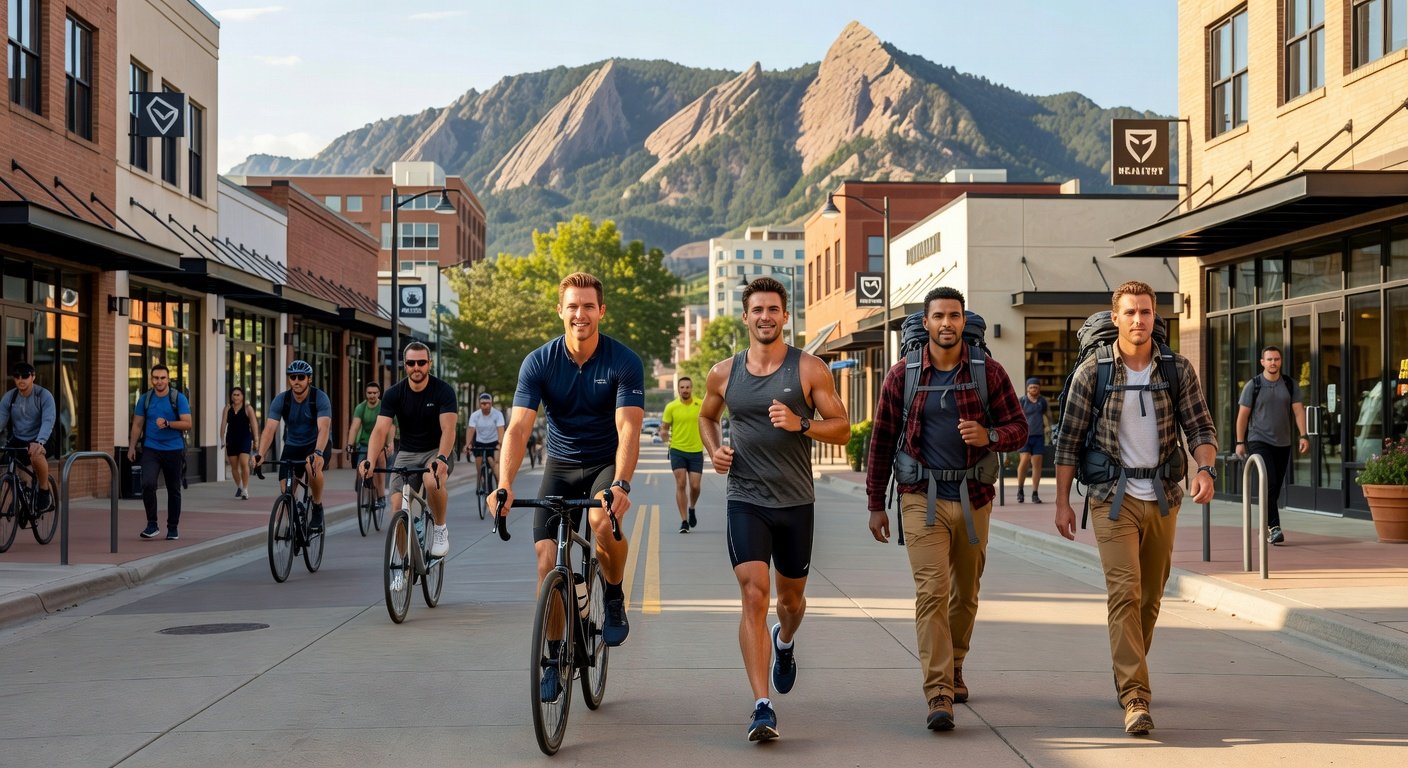
Boulder, Colorado consistently ranks as the most fit city in America, boasting an adult obesity rate of just 12.4% compared to the national average of 36.2%. The city’s elevation, extensive trail system, and outdoor recreation culture create an environment where physical activity becomes a natural part of daily life. Residents have access to over 150 miles of hiking trails within city limits, plus world-class rock climbing, cycling routes, and skiing within an hour’s drive. The concentration of fitness facilities per capita exceeds most metropolitan areas by 300%, while the walkability score of 85 reflects thoughtful urban planning that encourages pedestrian activity.
San Francisco, California claims the second position with its unique geography naturally promoting physical activity. The city’s famous hills provide built-in cardio workouts for residents, while the compact urban design and excellent public transportation reduce car dependency. With an obesity rate of 15.2%, San Francisco benefits from a strong food culture emphasizing fresh, local ingredients and smaller portion sizes. The city maintains over 220 parks and recreational facilities, including the expansive Golden Gate Park system. Year-round mild temperatures allow for consistent outdoor activities, from surfing to hiking in nearby Marin County.
The Complete Top 10 Healthiest Cities US Rankings
Following Boulder and San Francisco, the remaining top 10 fittest cities showcase diverse approaches to community health. Washington, D.C. ranks third with extensive bike-sharing programs and walkable neighborhoods, while Seattle, Washington leverages its coffee culture and outdoor recreation access. Portland, Oregon’s bike-friendly infrastructure and food truck scene promoting healthy options secures fifth place. Denver, Colorado benefits from altitude training effects and proximity to outdoor recreation, while Minneapolis, Minnesota proves that cold climates don’t prevent active lifestyles with extensive indoor and winter sports facilities. Boston, Massachusetts rounds out the top rankings with its walkable historic neighborhoods and strong healthcare infrastructure. Each city demonstrates that the most fit city designation requires balancing multiple lifestyle factors rather than relying on single metrics.
Understanding What Makes Cities Fat: The Bottom 10
The fattest cities america rankings reveal concerning patterns related to urban planning, economic factors, and cultural influences on health behaviors. Cities in the bottom 10 typically share characteristics including limited walkability, food deserts with poor access to fresh groceries, and car-dependent infrastructure that discourages physical activity. These metropolitan areas often struggle with higher poverty rates, which correlate strongly with obesity rates by city due to limited access to healthy food options and recreational facilities. Fast food restaurants frequently outnumber grocery stores in these communities, while safe spaces for exercise remain scarce.
McAllen, Texas consistently appears among the fattest cities with an adult obesity rate exceeding 44%. The city’s sprawling layout, limited public transportation, and extreme summer heat create barriers to active lifestyles. Similarly, cities throughout the Deep South and Midwest dominate the bottom rankings, reflecting regional dietary patterns, economic challenges, and infrastructure limitations. Huntington, West Virginia, Memphis, Tennessee, and Birmingham, Alabama all struggle with obesity rates above 40%, while also facing challenges with diabetes and heart disease prevalence significantly higher than national averages.
Regional Patterns in Fitness and Obesity
Geographic clustering of both the fittest and fattest cities reveals broader regional health trends across America. Western states, particularly Colorado, California, and Washington, dominate the healthiest cities us rankings due to outdoor recreation culture, progressive urban planning, and generally higher income levels. These regions benefit from year-round outdoor activity opportunities, strong environmental consciousness, and food cultures emphasizing fresh, local ingredients. Mountain and coastal cities often score highest for air quality and recreational facility access, while their residents typically demonstrate higher rates of regular exercise and lower consumption of processed foods.
Infrastructure and Urban Design Impact on City Fitness
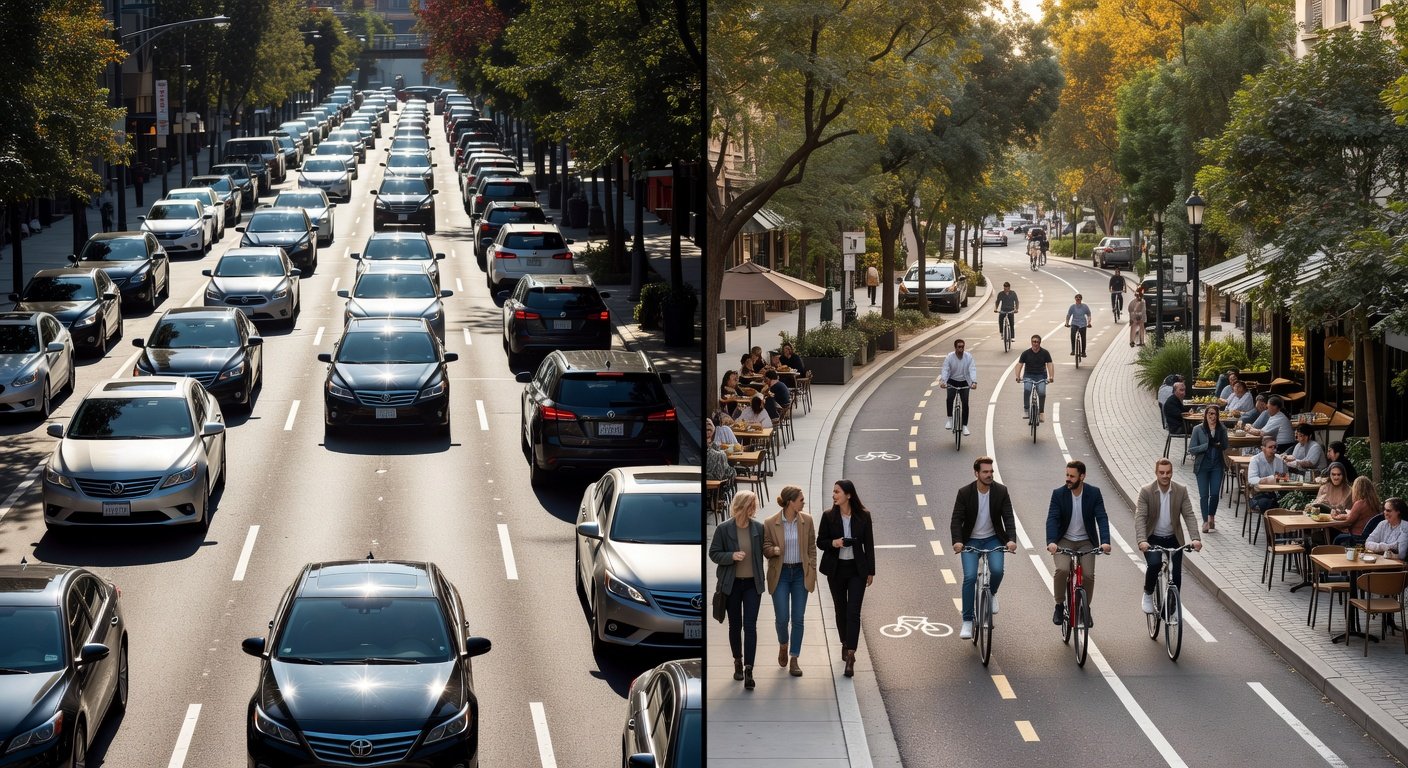
The relationship between urban planning and population health becomes evident when examining infrastructure differences between fit and overweight metropolitan areas. Cities ranking high for fitness typically feature comprehensive bike lane networks, pedestrian-friendly downtown cores, and mixed-use development that places essential services within walking distance of residential areas. These design elements naturally incorporate physical activity into daily routines, reducing reliance on automobiles while promoting active transportation methods. Successful cities also prioritize green space development, maintaining parks and recreational facilities that provide free or low-cost exercise opportunities for all income levels.
Conversely, cities struggling with high obesity rates often reflect post-World War II suburban development patterns emphasizing car dependency and single-use zoning. These areas typically lack sidewalks, bike infrastructure, and public transportation options, making physical activity inconvenient or unsafe. Food environments in these cities frequently feature numerous fast-food establishments and convenience stores while lacking full-service grocery stores with fresh produce. The built environment essentially programs sedentary lifestyles by making active choices more difficult and time-consuming than passive alternatives.
Climate and Seasonal Fitness Variations
Weather patterns significantly influence obesity rates by city, though the relationship proves more complex than simple warm-weather advantages. While cities with mild, consistent climates like San Diego and Los Angeles maintain high fitness rankings, several cold-weather cities also perform well by developing robust indoor recreation infrastructure and embracing winter sports. Minneapolis exemplifies this approach with extensive skyway systems connecting buildings, numerous indoor fitness facilities, and cultural acceptance of winter activities like ice skating, hockey, and cross-country skiing. The key factor appears to be community adaptation to local climate conditions rather than temperature alone.
Economic Factors Influencing City Health Rankings
Income levels and economic opportunity strongly correlate with fitness rankings across American cities, though the relationship involves multiple interconnected factors beyond simple wealth. Higher-income metropolitan areas typically offer better access to fitness facilities, healthy food options, and recreational opportunities, while residents have more discretionary time and resources for health-focused activities. These cities often feature grocery stores with extensive organic and fresh produce sections, farmers markets, and restaurants offering healthy menu options. Additionally, higher-income areas tend to have better healthcare access, including preventive services that help residents maintain healthy weights and active lifestyles.
However, economic factors extend beyond individual wealth to include municipal investment in health-promoting infrastructure. Cities that prioritize public health through bike lane construction, park development, and public recreation programs often see improved fitness outcomes regardless of average income levels. Some lower-income cities achieve surprising success by focusing resources on accessible fitness opportunities like public pools, walking trails, and community gardens. The most effective approaches combine individual economic opportunity with strategic public investment in health-promoting community assets.
Food Environment and Restaurant Culture
The density and types of food establishments within cities significantly impact population health outcomes and obesity rates. Fittest cities typically maintain diverse food environments featuring farmers markets, health-focused restaurants, and grocery stores with extensive fresh produce sections. These areas often develop food cultures emphasizing quality ingredients, appropriate portion sizes, and cooking methods that preserve nutritional value. Restaurant scenes in fit cities frequently include numerous options for healthy dining, from farm-to-table establishments to casual spots offering fresh salads, grain bowls, and lean protein preparations.
Technology and Fitness Tracking in Modern Cities
Modern technology increasingly influences how cities approach fitness promotion and health monitoring among residents. Many of the healthiest cities us have embraced smart city initiatives that use data analytics to optimize bike-sharing programs, monitor air quality in real-time, and identify areas needing additional recreational facilities. Fitness tracking apps and wearable devices provide unprecedented insight into population activity levels, allowing city planners to make evidence-based decisions about infrastructure investments. Cities like Austin, Texas and Portland, Oregon have partnered with technology companies to develop apps that gamify walking and cycling while providing rewards for active transportation choices.
The integration of technology extends to public fitness facilities, with many top-ranking cities offering high-tech recreation centers featuring virtual fitness classes, advanced equipment with built-in entertainment systems, and mobile apps for facility scheduling and program registration. These technological enhancements make fitness more convenient and engaging for residents while providing cities with valuable data about usage patterns and program effectiveness. However, the most successful implementations balance high-tech amenities with accessible, low-barrier options that serve residents across all income levels and technological comfort zones.
Future Trends in Urban Fitness Planning
Emerging trends in urban planning suggest the next generation of fittest cities will integrate health considerations into all development decisions rather than treating fitness as a separate concern. Complete streets policies that accommodate pedestrians, cyclists, public transit, and vehicles are becoming standard in health-conscious cities. Additionally, biophilic design principles that incorporate natural elements into urban environments show promise for encouraging outdoor activity while improving mental health outcomes. Cities are also experimenting with temporary street closures for recreation, outdoor fitness classes in public spaces, and partnerships with employers to promote active commuting options.
Frequently Asked Questions
What is the fittest city in the United States?
Boulder, Colorado consistently ranks as the fittest city in America with an adult obesity rate of just 12.4%. The city’s high elevation, extensive trail system, abundant fitness facilities, and outdoor recreation culture create an environment that naturally promotes active lifestyles year-round.
What makes a city healthy?
Healthy cities combine walkable infrastructure, access to fitness facilities, quality air, recreational opportunities, and healthy food environments. Key factors include bike lanes, public transportation, parks, farmers markets, and urban planning that encourages physical activity as part of daily routines.
What city has the highest obesity rate?
McAllen, Texas frequently ranks among cities with the highest obesity rates, exceeding 44% of adults. The city’s car-dependent infrastructure, limited walkability, extreme heat, and prevalence of fast food establishments contribute to this concerning statistic.
Does climate affect fitness levels by city?
Climate influences but doesn’t determine city fitness levels. While mild weather cities like San Francisco rank high, cold-weather cities like Minneapolis also succeed by developing indoor recreation infrastructure and embracing winter sports. Community adaptation matters more than temperature alone.
Which state is the fittest?
Colorado consistently ranks as the fittest state, with multiple cities including Boulder and Denver appearing in top fitness rankings. The state’s elevation, outdoor recreation culture, and active lifestyle emphasis contribute to lower obesity rates and higher physical activity levels statewide.
Ready to Transform Your Health Journey?
Whether you live in one of America’s fittest cities or want to bring healthy habits to your current location, taking control of your fitness starts with personalized guidance. Our team of certified trainers and nutritionists can help you create a sustainable fitness plan that works regardless of your city’s infrastructure. Contact us today to schedule a consultation and discover how to build the active lifestyle you want, wherever you call home.


