


Why This Whiskey Guide Matters for Beginners
Stepping into the world of whiskey can feel like entering a vast, complex realm. With so many varieties, flavors, and traditions, it’s easy to feel overwhelmed. That’s where this whiskey guide comes in—crafted specifically for beginners who want to understand the basics without getting lost in jargon. Whether you’re a 25-year-old curious about your first dram or a 55-year-old looking to appreciate a fine spirit, this resource breaks down the essentials. We’ll explore major types like bourbon, scotch, and rye, how they’re made, and tips for enjoying them. Whiskey isn’t just a drink; it’s a craft with history in every sip. Let’s start with the foundation of what makes whiskey unique among spirits, setting the stage for a deeper appreciation.
Whiskey, at its core, is a distilled spirit made from fermented grain mash. The grains—think barley, corn, rye, or wheat—define its character, as does the region where it’s produced. Each type has distinct rules and traditions, which we’ll unpack in this whiskey 101 journey. For beginners, the key is curiosity over expertise. You don’t need to know everything to enjoy a glass; you just need a willingness to explore. This guide will help demystify the process, from production to tasting, while offering practical advice on how to approach whiskey. By the end, you’ll have a solid grasp of the basics and feel confident trying new styles. Let’s dive into the major categories that shape this spirited world.
Types of Whiskey: A Whiskey Guide to Key Varieties
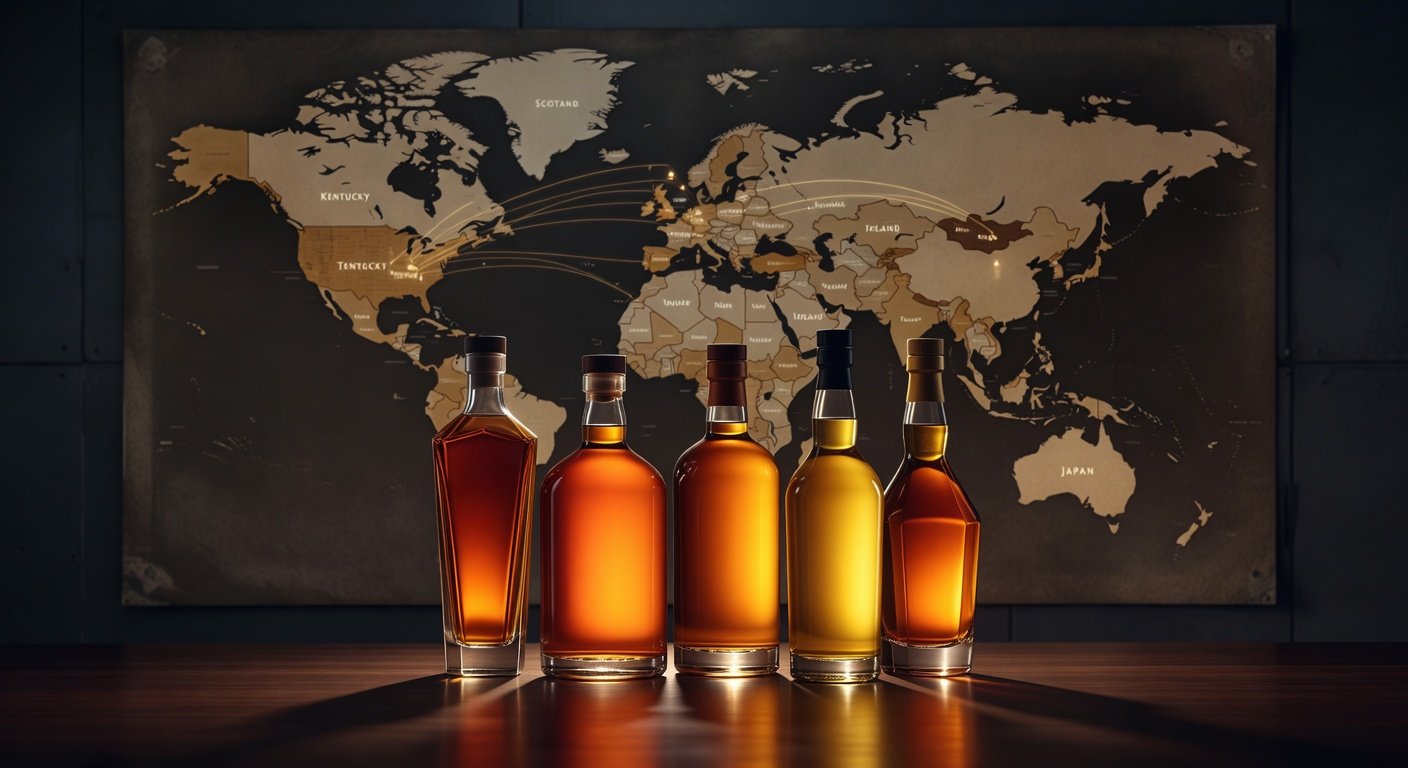
Understanding whiskey starts with knowing the main types. Each variety has unique origins, ingredients, and flavor profiles that set it apart. For beginners, this whiskey guide focuses on five major categories: bourbon, scotch, rye, Irish, and Japanese whiskey. These styles represent a broad spectrum of tastes and traditions, offering something for every palate. Bourbon, for instance, hails from the United States and must contain at least 51% corn, giving it a sweeter edge. Scotch, on the other hand, comes from Scotland and often carries smoky or peaty notes due to its production methods. Let’s break down these types one by one to give you a clear picture of what defines each and how they differ in taste and heritage.
Rye whiskey, another American classic, leans on rye grain for a spicier, bolder kick compared to bourbon’s sweetness. Irish whiskey, known for its smoothness, is typically triple-distilled, creating a lighter body that’s easy to sip. Japanese whiskey, a newer player on the global stage, often mirrors scotch in technique but brings a delicate, refined balance to the table. Each of these types of whiskey tells a story through its ingredients and aging process. As you explore whiskey for beginners, don’t feel pressured to pick a favorite right away. Instead, use this overview as a map to guide your tastings, helping you identify what resonates with your palate over time.
Bourbon vs Scotch: What’s the Difference?
One of the most common questions in whiskey 101 is the difference between bourbon and scotch. At a glance, bourbon is an American whiskey, primarily made from corn, aged in new charred oak barrels, which impart vanilla and caramel flavors. Scotch, produced exclusively in Scotland, uses malted barley as its base and is often aged in used barrels, lending complex, sometimes smoky tones—especially in varieties like Islay scotch. The production rules are strict: bourbon can’t have additives, while scotch must age for at least three years. Flavor-wise, bourbon tends to be sweeter and fuller-bodied, while scotch can range from light and floral to intensely peaty. When comparing bourbon vs scotch, it’s less about which is better and more about what suits your mood or pairing.
Rye, Irish, and Japanese: Expanding Your Whiskey Horizons
Beyond bourbon and scotch, other varieties add depth to this whiskey guide. Rye whiskey, often associated with American history, uses at least 51% rye grain, resulting in a peppery, sharp profile that’s fantastic in cocktails or sipped neat. Irish whiskey, with its triple distillation, offers a softer, approachable taste, often with hints of fruit or honey—perfect for beginners. Japanese whiskey, gaining global acclaim, blends precision with subtlety, often showcasing floral or citrus notes alongside oak. These styles highlight how grain choice, distillation, and regional influence shape a spirit’s identity. As you explore types of whiskey, consider jotting down your impressions of each to track what excites your palate most, building confidence in your preferences.
How Whiskey Is Made: A Beginner’s Whiskey Guide
The journey from grain to glass is what makes whiskey so fascinating. For those new to whiskey 101, the process involves five key steps: mashing, fermentation, distillation, aging, and bottling. It starts with selecting grains—corn for bourbon, barley for scotch, or rye for its namesake—which are ground and mixed with water to create a mash. This mash ferments with yeast, turning sugars into alcohol, before being distilled to concentrate the spirit. Aging in barrels, often oak, is where whiskey develops its color and depth, absorbing flavors like vanilla or spice over years. Each region and style tweaks this formula, creating the diversity we cherish. Understanding this process helps beginners appreciate why each glass carries such distinct character.
Distillation and aging are particularly critical. Distillation, whether done in pot stills or column stills, shapes the spirit’s purity and strength. Aging, meanwhile, is a slow transformation—barrels breathe with the environment, influenced by climate and wood type. A bourbon aged in Kentucky’s humid summers tastes different from a scotch matured in Scotland’s cool, damp warehouses. For whiskey for beginners, knowing these steps isn’t about becoming an expert overnight; it’s about recognizing the craft behind every sip. Next time you hold a glass, think about the years of patience and skill that went into it. This perspective can elevate even a simple tasting into a moment of connection with history and artistry.
Flavor Profiles: What to Expect from Each Type
Flavor is the heart of whiskey, and each type offers a unique sensory experience. Bourbon often greets you with sweet notes of caramel, vanilla, and oak, thanks to its corn base and charred barrels. Scotch can vary widely—some are light with heather and fruit, while others, especially from peaty regions, hit with smoke and earth. Rye whiskey brings a spicy punch, with pepper and cinnamon standing out, ideal for bold palates. Irish whiskey tends to be gentler, with grassy or honeyed tones, while Japanese varieties balance subtle fruit with refined oak. For beginners using this whiskey guide, these profiles are a starting point to anticipate what you might enjoy most in a glass.
Your palate will evolve as you explore types of whiskey. What seems intense at first—like rye’s spice or scotch’s smoke—might become a favorite with time. Pay attention to the nose (aroma), taste, and finish (aftertaste) of each sip. Does it linger warmly or fade quickly? Is there a sweetness or a bite? These questions help decode flavor profiles without overcomplicating things. Whiskey for beginners is about trial and error, not perfection. Keep an open mind, and don’t shy away from jotting down notes during tastings. Over time, you’ll build a mental library of flavors that guide your choices, making every dram a more personal experience.
How to Taste Whiskey Properly: Tips for Beginners
Tasting whiskey is an art, but it’s accessible to everyone with a little guidance. Start with a clean glass—tulip-shaped if possible—to concentrate aromas. Pour a small amount, about an ounce, and observe its color; it hints at age and barrel influence. Swirl gently and smell first, noting scents like fruit, spice, or smoke. Take a small sip, letting it coat your tongue, and breathe through your nose to catch subtleties. Notice the texture—is it oily or thin? Finally, consider the finish: how long do flavors linger? This whiskey 101 approach helps beginners focus on the experience rather than just the alcohol. It’s not about speed; it’s about savoring each element with intention.
Another debate in tasting is how to drink it: neat, on the rocks, or with water. Neat (straight, no ice) preserves the whiskey’s pure flavor, ideal for appreciating nuances. On the rocks (with ice) cools and dilutes, softening harsher notes—great for hotter climates or stronger spirits. Adding a splash of water can open up hidden aromas, especially in high-proof whiskeys. There’s no right or wrong; it’s personal. Experiment with all three to see what enhances your enjoyment. Whiskey for beginners is about finding your rhythm, so don’t feel pressured by purists. The goal is to build a connection with the spirit, one thoughtful sip at a time.

Responsible Drinking: A Key Note in This Whiskey Guide
Enjoying whiskey comes with a responsibility to drink mindfully. As you embark on this journey through whiskey 101, remember that moderation is essential. Savoring a glass means respecting its potency—whiskey often ranges from 40% to 50% alcohol by volume, and overindulgence can impact health and safety. Limit yourself to one or two drinks in a sitting, and always pair with water or food to pace yourself. If you’re unsure about your limits or have health concerns, consult resources like the CDC’s guidelines on alcohol consumption for clarity. This isn’t about restriction; it’s about ensuring whiskey remains a source of enjoyment, not regret, as you explore its rich world.
Beyond quantity, consider context. Don’t drink on an empty stomach, as it speeds absorption and heightens effects. Avoid driving or operating machinery after even a small amount—safety always comes first. If you’re new to whiskey for beginners, start slow, especially with higher-proof options that can sneak up on you. Share tastings with friends to make it social, not solitary, and keep the focus on appreciation over excess. Whiskey’s history is tied to camaraderie and reflection, so honor that spirit by drinking with care. This approach lets you build a lasting, positive relationship with the craft, ensuring every experience is memorable for the right reasons.
Frequently Asked Questions
What is the difference between bourbon and whiskey?
Whiskey is a broad category of distilled spirits made from fermented grain mash, while bourbon is a specific type of whiskey from the United States. Bourbon must be made with at least 51% corn, aged in new charred oak barrels, and produced under strict regulations with no added flavors. This gives bourbon a sweeter profile compared to other whiskeys like rye or scotch, which use different grains or aging methods. All bourbon is whiskey, but not all whiskey is bourbon.
Is scotch better than bourbon?
Whether scotch is better than bourbon depends on personal taste, not an objective standard. Scotch, made in Scotland from malted barley, often has smoky, peaty, or floral notes and a wide range of styles. Bourbon, an American whiskey, leans sweeter with vanilla and caramel from its corn base and charred oak aging. Try both to see which aligns with your palate—neither is inherently superior.
What is rye whiskey?
Rye whiskey is a type of whiskey made with at least 51% rye grain, primarily in the United States, though Canada also produces versions. It’s known for a spicy, bold flavor profile with notes of pepper and cinnamon, contrasting bourbon’s sweetness. Rye is often used in classic cocktails but can be sipped neat for a punchy experience. It’s a great option if you enjoy intensity in your glass.
How should a beginner drink whiskey?
Beginners should start by sipping whiskey neat (straight, no ice) in a small glass to appreciate its natural flavors. Take small sips, letting it sit on your tongue to notice taste and texture. If it’s too strong, add a splash of water or ice to mellow it. Smell before tasting to catch aromas. Experiment with different styles—neat, on the rocks, or diluted—to find what you enjoy most.
Is Japanese whisky worth trying?
Japanese whisky is absolutely worth trying, especially for its refined balance and craftsmanship. Inspired by scotch techniques, it often features delicate flavors like citrus, floral notes, and subtle oak. It’s gained global recognition for quality, though it can be pricier due to demand. If you enjoy nuanced, lighter spirits, Japanese whisky offers a unique perspective that complements bolder styles like bourbon or rye.
Ready to Explore Whiskey Further?
Now that you’ve got the basics of whiskey under your belt, why not take the next step? Whether you’re curious about pairing whiskey with food or want personalized tips on starting your collection, we’re here to help. Reach out through our contact page for tailored advice or to join a community of fellow enthusiasts. Let’s make your whiskey journey even more rewarding—connect with us today!


