


The Science Behind Bulking Smoothie Success
Building muscle requires a strategic approach to nutrition, and bulking smoothie recipes offer one of the most efficient methods to pack dense calories and protein into your diet. The key lies in understanding that muscle protein synthesis peaks approximately 30-60 minutes after resistance training, creating an optimal window for nutrient delivery. High calorie smoothie blends provide rapid absorption of amino acids, carbohydrates, and healthy fats that fuel recovery and growth. Research published in the Journal of Sports Medicine demonstrates that consuming 20-40 grams of protein within this timeframe significantly enhances muscle building outcomes compared to delayed feeding protocols.
The framework for an effective muscle building smoothie centers on four core components: a complete protein source providing all essential amino acids, calorie-dense carbohydrates for glycogen replenishment, healthy fats for hormone production, and micronutrient-rich additions for overall health. Unlike traditional meals that require extensive digestion, liquid nutrition bypasses much of the gastric processing time, delivering nutrients directly to working muscles. This rapid delivery system becomes particularly valuable for individuals struggling to consume adequate calories through solid foods alone, making mass gainer smoothie recipes an invaluable tool for serious muscle building goals.
Recipe #1: The Classic Powerhouse (850 Calories)
This foundational bulking smoothie combines time-tested ingredients that bodybuilders have relied on for decades. The base consists of 2 cups whole milk (300 calories), 1 large banana (105 calories), 2 tablespoons natural peanut butter (190 calories), 1 cup rolled oats (150 calories), and 1 tablespoon honey (65 calories). The macronutrient breakdown delivers approximately 35 grams of protein, 95 grams of carbohydrates, and 28 grams of fat. The oats provide sustained energy release while the banana offers quick-digesting sugars for immediate glycogen replenishment. Peanut butter contributes healthy monounsaturated fats essential for testosterone production and cellular membrane integrity.
Preparation involves blending the oats first until they reach a fine powder consistency, then adding remaining ingredients and blending for 60-90 seconds until completely smooth. The timing versatility makes this recipe suitable for both post-workout consumption and meal replacement scenarios. For post-workout use, consume within 30 minutes of training completion to maximize muscle protein synthesis. As a meal replacement, this smoothie provides substantial satiety lasting 3-4 hours, making it ideal for busy professionals who struggle to maintain consistent eating schedules throughout their bulking phases.
Recipe #2: Chocolate Muscle Builder (920 Calories)
Chocolate lovers can achieve their muscle building goals with this indulgent yet nutritionally optimized protein smoothie recipe. The ingredient list includes 1.5 cups whole milk (225 calories), 1 medium avocado (240 calories), 2 tablespoons cocoa powder (25 calories), 1 cup cooked quinoa (220 calories), 1 tablespoon almond butter (95 calories), 1 tablespoon maple syrup (52 calories), and a handful of ice cubes. This combination yields 32 grams of protein, 88 grams of carbohydrates, and 35 grams of fat. The avocado provides creamy texture while delivering heart-healthy omega-3 fatty acids and potassium for muscle contraction support.
Quinoa serves as the carbohydrate powerhouse, offering complete protein alongside complex carbohydrates that sustain energy levels for hours. The cocoa powder contributes antioxidants that combat exercise-induced oxidative stress while satisfying chocolate cravings without added sugar. Preparation requires pre-cooking quinoa and allowing it to cool completely before blending to prevent texture issues. This high calorie smoothie works exceptionally well as a pre-workout meal consumed 60-90 minutes before training, providing sustained energy without causing digestive discomfort during intense lifting sessions.
Recipe #3: Tropical Mass Gainer (780 Calories)
Transport your taste buds while fueling muscle growth with this tropical-inspired mass gainer smoothie that combines exotic flavors with serious nutritional density. The recipe features 1 cup coconut milk (75 calories), 1 cup Greek yogurt (130 calories), 1 cup frozen mango chunks (100 calories), 1 cup frozen pineapple (80 calories), 2 tablespoons coconut flakes (70 calories), 1 tablespoon chia seeds (60 calories), and 1 scoop vanilla protein powder (120 calories). The macronutrient profile delivers 38 grams of protein, 72 grams of carbohydrates, and 22 grams of fat, creating an ideal ratio for muscle building and recovery.
Greek yogurt provides casein protein for sustained amino acid release, while the tropical fruits offer vitamin C for collagen synthesis and immune system support. Chia seeds contribute omega-3 fatty acids and fiber for digestive health, plus they expand in liquid to increase satiety. The coconut elements provide medium-chain triglycerides that convert quickly to energy without requiring extensive digestion. This bulking smoothie excels as a mid-morning or afternoon snack, bridging the gap between main meals while maintaining positive nitrogen balance essential for muscle protein synthesis throughout the day.

Recipe #4: Green Machine Muscle Fuel (810 Calories)
Vegetable-based nutrition meets serious muscle building in this nutrient-dense green smoothie that proves healthy eating and mass gaining can coexist harmoniously. The ingredient combination includes 2 cups unsweetened almond milk (80 calories), 2 cups fresh spinach (15 calories), 1 large banana (105 calories), 1 medium avocado (240 calories), 1 cup cooked sweet potato (100 calories), 2 tablespoons tahini (120 calories), 1 tablespoon ground flaxseed (55 calories), and dates for natural sweetness (65 calories). This powerhouse blend provides 28 grams of protein, 89 grams of carbohydrates, and 31 grams of fat while delivering an impressive array of vitamins, minerals, and phytonutrients.
Sweet potato contributes complex carbohydrates and beta-carotene for immune function, while spinach provides iron, folate, and nitrates that enhance blood flow to working muscles. Tahini offers complete protein from sesame seeds along with calcium for bone health and muscle contraction. The flaxseed adds alpha-linolenic acid, an essential omega-3 fatty acid that reduces inflammation and supports recovery. Despite the green color, the banana and dates mask any vegetable flavors, creating a surprisingly pleasant taste profile. This muscle building smoothie works best consumed 2-3 hours post-workout when the body has shifted from immediate recovery to longer-term muscle building processes.
Recipe #5: Berry Protein Explosion (870 Calories)
Antioxidant-rich berries take center stage in this protein-packed bulking smoothie that combines muscle building nutrition with powerful anti-inflammatory compounds. The recipe includes 1.5 cups whole milk (225 calories), 1 cup mixed frozen berries (85 calories), 1 cup cottage cheese (220 calories), 2 tablespoons cashew butter (190 calories), 1 tablespoon ground almonds (50 calories), 1 tablespoon honey (65 calories), and a pinch of vanilla extract. The nutritional breakdown provides 42 grams of protein, 68 grams of carbohydrates, and 32 grams of fat, making it one of the highest protein options in our collection.
Cottage cheese serves as the protein powerhouse, delivering both casein and whey proteins for immediate and sustained amino acid release. The mixed berries provide anthocyanins and other flavonoids that reduce exercise-induced muscle damage while supporting cardiovascular health. Cashew butter contributes magnesium for muscle function and zinc for testosterone production. Ground almonds add texture and additional healthy fats while boosting the overall calorie density. This high calorie smoothie performs exceptionally well as a bedtime snack, providing slow-digesting proteins that fuel muscle repair and growth throughout the night when growth hormone levels peak naturally.
Recipe #6: Vanilla Oat Supreme (900 Calories)
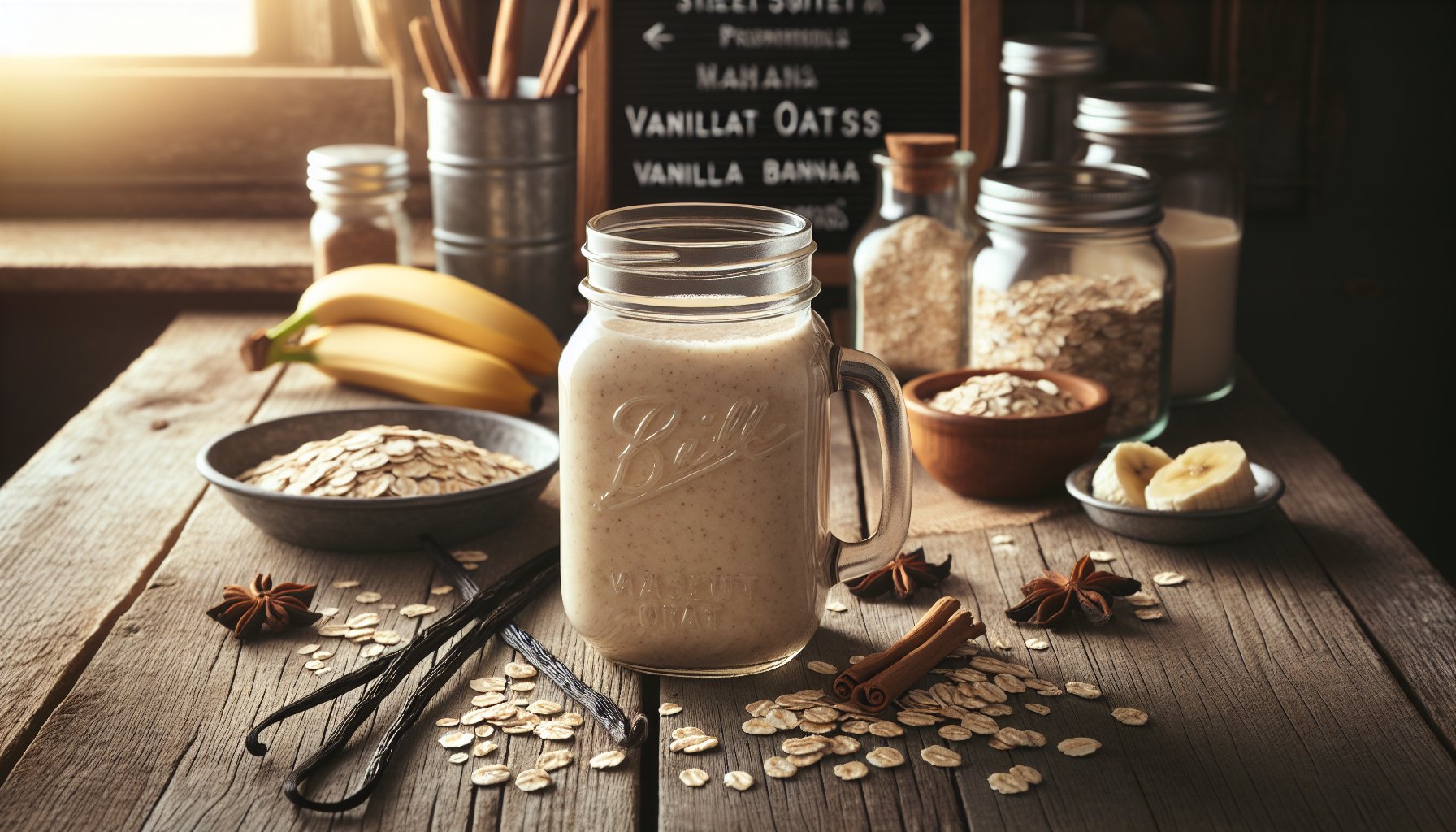
Comfort food flavors meet serious muscle building nutrition in this vanilla-forward protein smoothie recipe that satisfies cravings while delivering substantial calories and macronutrients. The ingredient list features 2 cups whole milk (300 calories), 1 cup cooked steel-cut oats (150 calories), 2 tablespoons almond butter (190 calories), 1 large banana (105 calories), 1 tablespoon vanilla extract, 1 tablespoon ground cinnamon, 1 tablespoon maple syrup (52 calories), and 6 ice cubes. This combination yields 34 grams of protein, 102 grams of carbohydrates, and 30 grams of fat with a flavor profile reminiscent of vanilla oatmeal cookies.
Steel-cut oats provide superior texture and sustained energy release compared to instant varieties, while the natural vanilla and cinnamon create depth of flavor without artificial additives. The spice combination also offers metabolic benefits, with cinnamon helping to regulate blood sugar levels and improve insulin sensitivity. Almond butter contributes vitamin E for cellular protection and healthy monounsaturated fats for hormone production. This mass gainer smoothie works particularly well as a pre-workout meal consumed 90-120 minutes before training, providing sustained energy without causing digestive distress during heavy compound movements like squats and deadlifts.
Recipe #7: Coffee Protein Power (825 Calories)
Coffee enthusiasts can combine their caffeine fix with serious muscle building nutrition through this energizing bulking smoothie that delivers both stimulation and substantial calories. The recipe includes 1 cup cold brew coffee (5 calories), 1 cup whole milk (150 calories), 1 medium banana (105 calories), 2 tablespoons peanut butter (190 calories), 1 cup cooked brown rice (220 calories), 1 tablespoon cocoa powder (12 calories), 1 tablespoon honey (65 calories), and ice cubes for temperature control. The macronutrient profile provides 31 grams of protein, 95 grams of carbohydrates, and 26 grams of fat while delivering approximately 95mg of caffeine for enhanced workout performance.
Brown rice serves as the carbohydrate foundation, offering sustained energy release and complete amino acid profiles when combined with other protein sources. The coffee provides natural caffeine for improved focus and exercise performance, while cocoa powder adds antioxidants and enhances the mocha flavor profile. This combination creates a natural pre-workout alternative to commercial supplements while providing substantial nutritional value. The caffeine content makes this muscle building smoothie ideal for morning consumption or pre-workout timing, consumed 30-45 minutes before training to allow for optimal caffeine absorption and utilization during exercise sessions.
Timing Your Bulking Smoothie Consumption
Strategic timing transforms good nutrition into exceptional muscle building results, and understanding when to consume your high calorie smoothie can significantly impact your progress. Post-workout consumption within the 30-60 minute anabolic window maximizes muscle protein synthesis rates, particularly when your smoothie contains 20-40 grams of complete protein. During this timeframe, muscle blood flow remains elevated, enhancing nutrient delivery and uptake. Research indicates that combining fast-digesting carbohydrates with protein during this period can increase muscle protein synthesis by up to 25% compared to protein alone. The liquid format provides rapid gastric emptying, ensuring nutrients reach working muscles quickly when they need them most.
Pre-workout timing requires more careful consideration, with consumption occurring 60-90 minutes before training to allow for proper digestion while maintaining energy availability. Mass gainer smoothie recipes consumed too close to training can cause digestive discomfort and reduced performance, while timing them too far in advance may result in energy depletion during workouts. For meal replacement scenarios, these protein smoothie recipes provide 3-4 hours of satiety, making them ideal for busy schedules or situations where solid food preparation becomes impractical. Evening consumption works well with slower-digesting protein sources like casein or cottage cheese, providing sustained amino acid release during overnight recovery periods when growth hormone levels peak naturally.
Optimizing Ingredient Quality and Sourcing
The quality of your smoothie ingredients directly impacts both nutritional value and muscle building outcomes, making careful selection a critical component of your bulking strategy. Organic produce provides higher antioxidant levels and reduced pesticide exposure, while grass-fed dairy products offer superior omega-3 fatty acid profiles and conjugated linoleic acid content. When selecting nut butters, choose varieties with minimal processing and no added sugars or oils, as these provide the cleanest fat sources for hormone production and cellular function. Fresh fruits generally offer superior vitamin content compared to frozen alternatives, though frozen options provide convenience and year-round availability without significant nutritional compromise.
Customizing Recipes for Individual Needs
Individual caloric requirements vary significantly based on body weight, training intensity, metabolic rate, and muscle building goals, necessitating recipe modifications to optimize results. Men weighing 150-180 pounds typically require 2,800-3,200 calories daily for effective bulking, while those over 200 pounds may need 3,500-4,000 calories or more. These bulking smoothie recipes can be scaled up or down by adjusting portion sizes while maintaining macronutrient ratios. Adding extra tablespoons of nut butter, increasing oat quantities, or including additional fruits can boost calorie content by 100-200 calories per modification. Conversely, reducing these components allows for calorie control when needed.
Dietary restrictions and preferences require thoughtful substitutions that maintain nutritional integrity. Lactose-intolerant individuals can replace dairy milk with fortified plant alternatives like pea protein milk or oat milk, though protein content may decrease slightly. Nut allergies necessitate seed butter substitutions such as sunflower seed butter or tahini, which provide similar fat content and calories. Vegan adaptations require plant-based protein sources like hemp seeds, pumpkin seeds, or protein powder to meet amino acid requirements. Each modification should maintain the target calorie range while providing adequate protein for muscle building, typically 1.6-2.2 grams per kilogram of body weight for active individuals engaged in resistance training.
Frequently Asked Questions
How many calories should a bulking smoothie have?
An effective bulking smoothie should contain 700-1000 calories to significantly contribute to your daily surplus. This range provides substantial nutrition without being overwhelming, allowing for 2-3 smoothies daily alongside regular meals to reach bulking calorie targets of 3000-4000+ calories.
Can you bulk with smoothies instead of meals?
While smoothies can replace some meals during bulking, they shouldn’t replace all solid food. Smoothies provide excellent convenience and rapid nutrient absorption, but whole foods offer superior satiety, digestive health benefits, and micronutrient diversity essential for long-term muscle building success.
What is the best protein source for smoothies?
Greek yogurt, cottage cheese, and milk provide excellent whole food protein sources for smoothies. These dairy options offer complete amino acid profiles with both fast and slow-digesting proteins. For plant-based options, combine hemp seeds, chia seeds, and nut butters to create complete protein profiles.
How many smoothies a day for bulking?
Most people benefit from 1-2 bulking smoothies daily, typically post-workout and as a meal replacement or snack. This frequency allows for 1400-2000 additional calories while maintaining appetite for regular meals. More than 2-3 daily may reduce solid food intake and digestive efficiency.
Do you need protein powder for bulking smoothies?
Protein powder isn’t necessary for effective bulking smoothies. Whole food sources like Greek yogurt, cottage cheese, milk, nut butters, and seeds provide ample protein while contributing additional nutrients, healthy fats, and calories that support muscle building goals more comprehensively than isolated protein supplements.
Ready to Transform Your Muscle Building Results?
These proven bulking smoothie recipes provide the nutritional foundation for serious muscle growth, but optimal results require a comprehensive approach to training, nutrition, and recovery. Our expert team can help you develop a complete muscle building strategy tailored to your individual goals, schedule, and preferences. Contact us today to schedule your personalized consultation and accelerate your transformation with science-based nutrition and training protocols.


