


What Are Nootropics Energy Drinks and How Do They Differ from Regular Energy Drinks?
Nootropics energy drinks represent a new category of beverages that combine traditional caffeine-based energy with cognitive enhancement compounds. Unlike standard energy drinks that rely primarily on caffeine, taurine, and sugar for their effects, nootropics energy drinks incorporate research-backed ingredients designed to improve mental performance, focus, and brain health. These beverages target the growing market of professionals, students, and athletes who want sustained cognitive performance without the crash associated with conventional energy drinks. The term ‘nootropics’ comes from the Greek words ‘nous’ (mind) and ‘tropein’ (to bend), literally meaning ‘mind-bending’ substances that enhance cognitive function.
The fundamental difference lies in their ingredient profiles and intended outcomes. Traditional energy drinks focus on immediate energy through high caffeine doses, often paired with sugar for quick glucose delivery. Nootropics energy drinks take a more sophisticated approach, incorporating amino acids like L-theanine to smooth caffeine’s effects, adaptogenic herbs to support stress response, and compounds like alpha-GPC or lion’s mane mushroom extract for cognitive support. Many brands position these products as ‘clean energy’ alternatives, emphasizing sustained focus over short-term stimulation. The target demographic typically includes knowledge workers, gamers, entrepreneurs, and fitness enthusiasts who prioritize mental clarity alongside physical energy.
Key Nootropic Ingredients Found in Energy Drinks
The most common nootropic ingredient in these beverages is L-theanine, an amino acid naturally found in tea leaves. Research shows L-theanine promotes alpha brain wave activity associated with relaxed alertness, making it an ideal complement to caffeine. Studies indicate that combining L-theanine with caffeine can improve attention and reduce the jittery side effects typically associated with caffeine consumption. Most nootropics energy drinks contain between 100-200mg of L-theanine, often in a 2:1 ratio with caffeine to optimize the synergistic effects. This combination has been shown to enhance cognitive performance while maintaining a calmer, more focused state compared to caffeine alone.
Lion’s mane mushroom extract has gained significant attention in the nootropics community for its potential neuroprotective properties. This functional mushroom contains compounds called hericenones and erinacines, which may stimulate nerve growth factor production and support neuroplasticity. While human studies are still emerging, preliminary research suggests lion’s mane could support memory formation and cognitive function over time. Many premium nootropics energy drinks include 500-1000mg of lion’s mane extract per serving. Other popular ingredients include alpha-GPC (a choline compound that may support acetylcholine production), rhodiola rosea (an adaptogenic herb for stress resilience), and B-vitamins that play crucial roles in neurotransmitter synthesis and energy metabolism.

Caffeine Sources and Dosing in Nootropic Beverages
Most nootropics energy drinks contain 100-200mg of caffeine per serving, significantly less than many traditional energy drinks that can contain 300mg or more. The caffeine sources vary considerably between brands, with some using synthetic caffeine anhydrous for precise dosing, while others opt for natural sources like green coffee bean extract, yerba mate, or guayusa. Natural caffeine sources often provide additional compounds like chlorogenic acids or theobromine that may modulate caffeine’s effects and provide antioxidant benefits. The lower caffeine content in nootropics energy drinks reflects their focus on sustained cognitive enhancement rather than intense stimulation, making them more suitable for regular consumption throughout the day.
Adaptogens and Stress-Response Modulators
Adaptogenic herbs represent another key category of ingredients in nootropics energy drinks, chosen for their ability to help the body adapt to physical and mental stressors. Rhodiola rosea, often called ‘golden root,’ has been used traditionally in Scandinavian and Russian folk medicine and is now supported by clinical research showing potential benefits for mental fatigue and stress resilience. Ashwagandha, another popular adaptogen, may help regulate cortisol levels and support cognitive function under stress. Ginseng varieties, particularly Panax ginseng, appear in many formulations for their potential cognitive and energy-supporting properties. These ingredients work differently than stimulants, potentially supporting the body’s natural stress response systems rather than providing immediate energy.
Scientific Evidence: Do Nootropics Energy Drinks Actually Work?
The scientific evidence for nootropics energy drinks is mixed, largely because most research focuses on individual ingredients rather than complete formulations. The strongest evidence exists for the caffeine-L-theanine combination, which has been studied extensively in controlled trials. A 2008 study published in Biological Psychology found that 50mg of L-theanine combined with 100mg of caffeine improved attention and alertness while reducing anxiety compared to caffeine alone. Multiple subsequent studies have confirmed these findings, establishing this combination as one of the most evidence-based nootropic pairings available in commercial products.
However, the evidence becomes less robust when examining other popular ingredients. While lion’s mane mushroom shows promise in animal studies and small human trials, large-scale clinical research is still lacking. A 2019 study in Biomedical Research found that lion’s mane supplementation improved cognitive function in older adults with mild cognitive impairment, but the study was small and short-term. Similarly, adaptogens like rhodiola and ashwagandha have supporting research, but much of it involves higher doses than typically found in energy drinks. The challenge with evaluating nootropics energy drinks lies in the proprietary blends and relatively low doses of active ingredients, which may not reach the therapeutic thresholds established in clinical research.
Limitations of Current Research
Most studies on nootropic ingredients involve isolated compounds in controlled laboratory settings, which may not translate directly to real-world effectiveness in commercial beverages. The bioavailability of these compounds can be affected by other ingredients, processing methods, and individual factors like genetics and gut health. Additionally, many studies use doses significantly higher than what’s practical in a beverage format. For example, effective doses of lion’s mane in research often range from 1-3 grams daily, while most energy drinks contain 500mg or less. The synergistic effects of combining multiple nootropic ingredients remain largely unstudied, making it difficult to predict how these complex formulations will perform compared to individual compounds.
Popular Nootropics Energy Drink Brands and Their Formulations
Alpha Brain Instant by Onnit represents one of the more established players in the nootropics energy drink space, featuring a blend of alpha-GPC, bacopa monnieri, and huperzia serrata alongside moderate caffeine content. The brand emphasizes clinical research backing their formulation, though critics note that some ingredients are included at doses below those used in published studies. FOCUS by True Nutrition takes a more transparent approach with clearly labeled ingredient amounts, including 200mg of L-theanine, 100mg of caffeine from green coffee, and 500mg of lion’s mane extract. Their formulation represents the higher end of dosing among commercial products.
Newer entrants like Qualia Focus and Mind Lab Pro Energy have gained attention for their comprehensive ingredient profiles and third-party testing protocols. These brands often include additional compounds like citicoline, phosphatidylserine, and various B-vitamins to support different aspects of cognitive function. Pricing varies significantly across brands, with premium options costing $3-5 per serving compared to $1-2 for traditional energy drinks. The higher cost reflects both the expensive nature of nootropic ingredients and the smaller market scale compared to conventional energy drink manufacturing.
Comparing Ingredient Transparency Across Brands
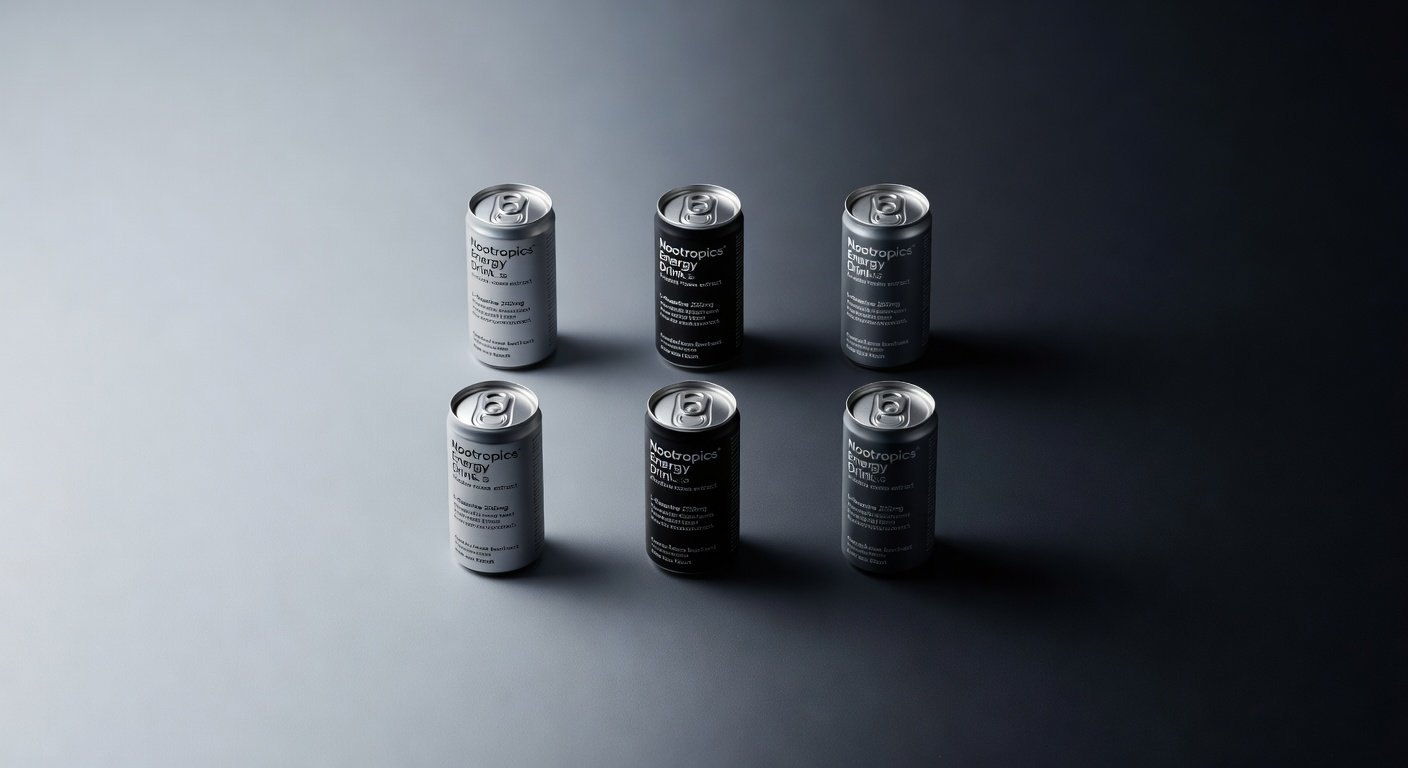
Ingredient transparency varies dramatically among nootropics energy drink manufacturers, with some brands providing detailed breakdowns of each component while others hide behind proprietary blends. Transparent labeling allows consumers to compare products effectively and assess whether ingredient doses align with research findings. Brands that use proprietary blends often do so to protect formulations from competitors, but this practice makes it impossible for consumers to evaluate the actual therapeutic potential of the product. When evaluating nootropics energy drinks, prioritize brands that clearly state the amount of each active ingredient and provide third-party testing results for purity and potency verification.
Safety Considerations and Potential Side Effects
While nootropics energy drinks are generally considered safer than high-caffeine energy drinks, they’re not without potential risks and side effects. The combination of multiple bioactive compounds can create unexpected interactions, particularly for individuals taking medications or those with underlying health conditions. Common side effects reported with nootropic ingredients include headaches, digestive upset, and sleep disturbances, especially when consumed later in the day. L-theanine is generally well-tolerated, but some individuals may experience drowsiness at higher doses. Lion’s mane mushroom can occasionally cause skin rashes or respiratory issues in sensitive individuals.
The regulatory landscape for nootropics remains complex, as these products fall into a gray area between dietary supplements and functional foods. The FDA does not evaluate nootropics energy drinks for safety or efficacy before they reach the market, placing the burden of responsible use on consumers and manufacturers. Pregnant and breastfeeding women should avoid these products entirely, as the safety of many nootropic compounds hasn’t been established for these populations. Individuals with anxiety disorders, cardiovascular conditions, or those taking prescription medications should consult healthcare providers before incorporating nootropics energy drinks into their routine.
Drug Interactions and Contraindications
Several nootropic ingredients can interact with common medications, making medical consultation essential for individuals on prescription drugs. Rhodiola and other adaptogens may affect blood sugar levels, potentially interfering with diabetes medications. Ginkgo biloba, sometimes included in nootropic formulations, can increase bleeding risk when combined with blood thinners. The caffeine content, while moderate, can still interact with certain heart medications and may exacerbate anxiety in susceptible individuals. Additionally, some nootropic compounds may affect liver enzyme activity, potentially altering how other medications are metabolized. Always disclose supplement use to healthcare providers and pharmacists to avoid dangerous interactions.
Cost-Benefit Analysis: Are Nootropics Energy Drinks Worth the Investment?
The cost of nootropics energy drinks typically ranges from $2-5 per serving, making them significantly more expensive than traditional energy drinks or coffee. This price premium reflects the higher cost of specialized ingredients like lion’s mane extract, alpha-GPC, and standardized herbal extracts. For context, purchasing individual nootropic supplements separately would often cost even more, making pre-formulated drinks potentially economical for those committed to trying multiple compounds. However, the question remains whether the benefits justify the expense, particularly given the limited research on many ingredients at the doses used in commercial products.
The value proposition depends largely on individual response and intended use. Professionals who rely heavily on cognitive performance may find the sustained focus and reduced crash worth the premium, especially compared to the productivity costs of caffeine-induced jitters or afternoon energy crashes. However, those seeking basic energy enhancement might achieve similar results with coffee plus an L-theanine supplement at a fraction of the cost. The convenience factor also plays a role, as pre-mixed beverages eliminate the need to measure and combine multiple supplements. For occasional use or experimentation with nootropics, these drinks offer a low-commitment way to test individual response before investing in separate supplements.
Frequently Asked Questions
How long does it take for nootropics energy drinks to work?
Most users report feeling effects within 30-60 minutes of consumption, primarily from the caffeine content. The nootropic ingredients like L-theanine may provide more subtle effects that become apparent over the first 1-2 hours. Some compounds like lion’s mane may require consistent daily use for several weeks to show potential cognitive benefits.
Can I drink nootropics energy drinks every day?
Daily consumption is generally considered safe for healthy adults, but tolerance to caffeine and other stimulants can develop over time. Most manufacturers recommend limiting intake to one serving per day and taking occasional breaks to prevent dependency. Consult a healthcare provider if you have underlying health conditions or take medications.
Are nootropics energy drinks better than coffee for focus?
Nootropics energy drinks may provide smoother, more sustained focus compared to coffee alone, primarily due to L-theanine’s ability to reduce caffeine’s jittery effects. However, coffee is significantly less expensive and has more extensive research supporting its cognitive benefits. The ‘better’ choice depends on individual tolerance and budget considerations.
Do nootropics energy drinks have any long-term side effects?
Long-term safety data for most nootropic ingredients is limited, as these compounds haven’t been studied extensively over extended periods in healthy populations. While generally considered safe, some individuals may experience tolerance, dependency, or unexpected reactions with prolonged use. Regular monitoring and periodic breaks are recommended.
Ready to Optimize Your Cognitive Performance?
Whether you’re considering nootropics energy drinks or exploring other cognitive enhancement strategies, making informed decisions about your mental performance requires expert guidance. Our nutrition specialists can help you evaluate the latest research, assess your individual needs, and develop a personalized approach to cognitive optimization that fits your lifestyle and goals.


