


What Causes Asymmetrical Abs? The Role of Genetics
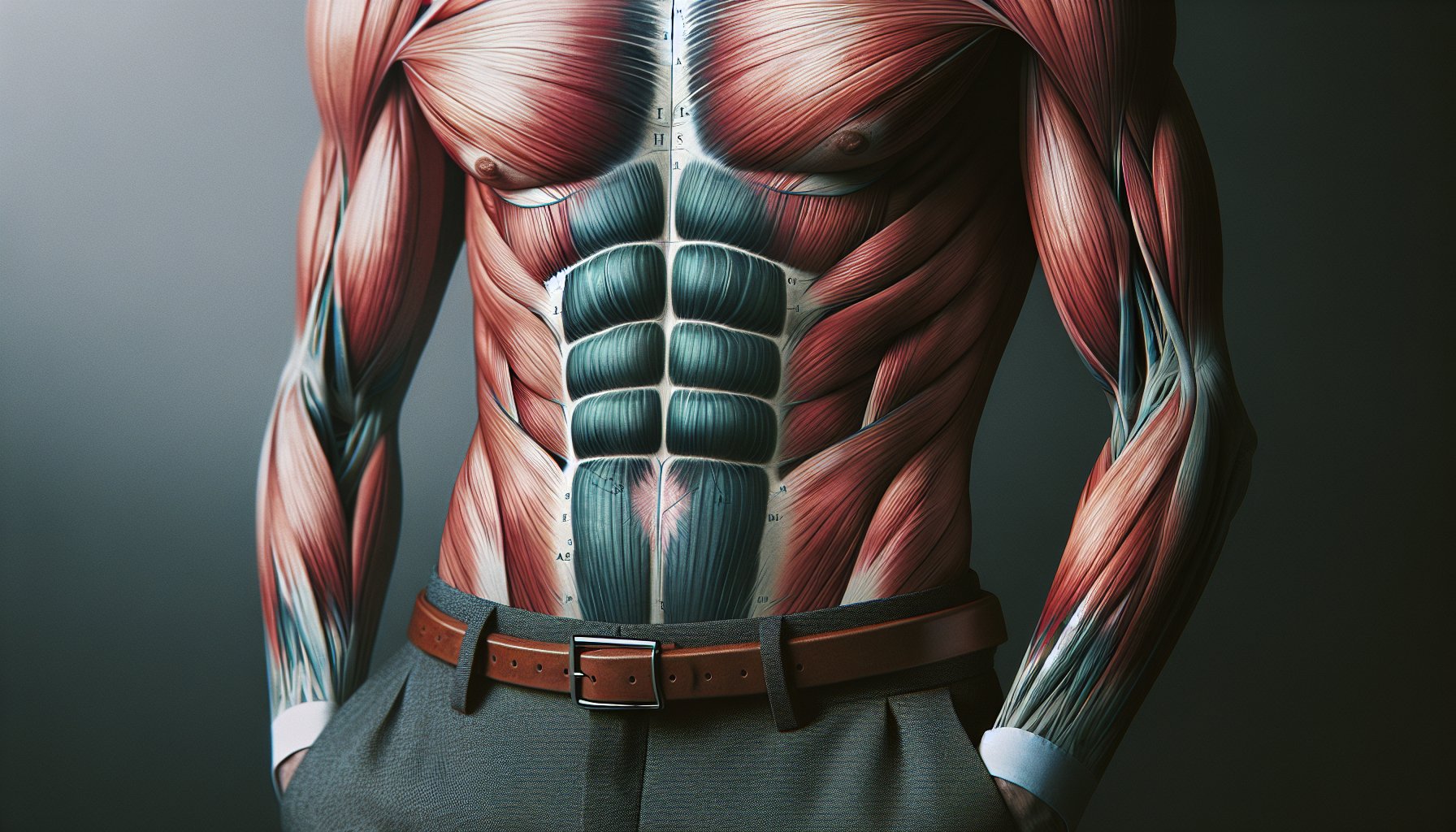
If you’ve ever looked in the mirror and noticed that your abs are uneven, you’re not alone. Asymmetrical abs are a common concern for many men who spend hours in the gym striving for that perfect six-pack. The truth is, the shape and alignment of your abdominal muscles are largely determined by genetics. The rectus abdominis, the muscle responsible for the ‘six-pack’ look, is divided by tendinous inscriptions—horizontal bands of connective tissue that create the segmented appearance. However, these inscriptions aren’t always perfectly aligned on both sides of your body. This natural variation can lead to abs that look crooked or uneven, even if you’re in peak physical condition. Understanding this genetic blueprint can help ease the frustration of chasing symmetry that might not be achievable.
Beyond the tendinous inscriptions, the placement and size of your muscle bellies play a significant role. Rectus abdominis genetics dictate how your muscle fibers are distributed and where they attach to your skeletal structure. For some, one side of the muscle might be slightly larger or positioned higher than the other, creating a noticeable imbalance. This isn’t a flaw—it’s simply how your body is wired. While you can enhance muscle definition through training and diet, these genetic factors are out of your control. Many men aged 25-55 who are focused on fitness often feel discouraged by this, but recognizing that uneven abs are a natural trait can shift your perspective toward self-acceptance and realistic goals.
Can Training Fix Asymmetrical Abs? The Hard Truth
A common question among fitness enthusiasts is whether targeted exercises can correct asymmetrical abs. Unfortunately, the answer is no—training cannot alter the genetic structure of your abdominal muscles. While exercises like planks, crunches, and leg raises can strengthen and define your core, they won’t change the placement of tendinous inscriptions or the natural asymmetry of your muscle bellies. If your abs are not symmetrical due to genetics, no amount of reps will realign them. This can be a tough pill to swallow for men who dedicate significant time to their physique, but it’s important to focus on overall strength and health rather than an unattainable ideal of perfect symmetry.
That said, training can sometimes mask minor asymmetries by building overall muscle mass and improving definition. A well-rounded core workout routine that targets all areas of your abdomen—rectus abdominis, obliques, and transverse abdominis—can create a more balanced look. However, if one side of your abs appears more developed due to genetic predisposition, even the best training regimen won’t fully even things out. For those wondering ‘why are my abs crooked,’ the answer often lies in your DNA rather than your workout plan. Accepting this can help you redirect your energy toward achievable fitness milestones, like improving endurance or increasing lifting capacity, instead of fixating on something beyond your control.
When Uneven Abs Might Signal a Medical Issue
While asymmetrical abs are usually a harmless genetic quirk, there are instances where unevenness could indicate an underlying medical condition. One potential concern is a hernia, which occurs when an internal organ or tissue pushes through a weak spot in the abdominal wall. This can create a visible bulge or asymmetry in your midsection, often accompanied by pain or discomfort. If you notice a sudden change in the appearance of your abs, especially if it’s localized to one side, consult a healthcare professional promptly. For more information on hernias, refer to trusted resources like the Mayo Clinic (mayoclinic.org) to understand symptoms and treatment options.
Another condition to be aware of is diastasis recti, a separation of the rectus abdominis muscles along the midline of the abdomen. This is more common in postpartum women but can also affect men, particularly after significant weight gain or improper lifting techniques. Diastasis recti can cause a noticeable gap or uneven appearance in your abs, often making the midline look sunken or protruded. If you suspect this condition, avoid self-diagnosis and seek guidance from a doctor or physical therapist. While most cases of uneven abs are purely cosmetic and normal, staying vigilant about sudden changes or associated symptoms ensures you’re addressing any potential health issues early on.
Scoliosis and Its Impact on Abdominal Appearance
Scoliosis, a condition characterized by an abnormal curvature of the spine, can also contribute to the appearance of uneven abs. When the spine curves to one side, it can affect the alignment of your torso, including the abdominal muscles. This might make one side of your rectus abdominis appear more prominent or shifted compared to the other. While scoliosis doesn’t directly alter muscle structure, the postural imbalance it creates can exaggerate existing asymmetries. If you have a diagnosed case of scoliosis or suspect spinal curvature, working with a specialist can help manage its effects on your overall physique. For most men, however, scoliosis-related asymmetry is subtle and not a cause for concern unless it impacts daily function or causes pain.
Why Uneven Abs Are Completely Normal
It’s crucial to emphasize that having abs that aren’t symmetrical is entirely normal and doesn’t reflect a lack of effort or dedication. The human body is inherently asymmetrical—think about how one arm might be slightly stronger or one foot slightly larger than the other. Your abdominal muscles are no exception. Whether you have a four-pack, six-pack, or even an eight-pack, the arrangement is often dictated by genetics rather than fitness level. For many men between 25 and 55 who are focused on building their best physique, this can be reassuring. You’re not failing at fitness just because your abs don’t line up perfectly in the mirror.
Cultural ideals of the ‘perfect body’ often perpetuate unrealistic standards, but the reality is that even professional athletes and bodybuilders frequently have uneven abs. Social media and fitness magazines might showcase airbrushed images, but behind the filters, natural variations exist. Embracing this fact can help reduce unnecessary stress and allow you to appreciate your body for its strength and functionality. If you’re still concerned about the appearance of your core, remember that overall health, proper nutrition, and consistent training will always contribute to a physique you can be proud of, regardless of minor asymmetries like crooked abs.
Frequently Asked Questions
Can you fix uneven abs with training?
No, training cannot fix uneven abs if the asymmetry is due to genetics. The placement of tendinous inscriptions and muscle bellies in your rectus abdominis is predetermined by your DNA. While exercises can enhance muscle definition and strength, they won’t realign or symmetrize your abs. Focus on overall core health instead of chasing perfect symmetry.
Is it normal to have crooked abs?
Yes, having crooked or uneven abs is completely normal. Most people have some degree of asymmetry in their abdominal muscles due to genetic variations in muscle structure and tendinous inscriptions. This is a natural part of human anatomy and doesn’t indicate a lack of fitness or effort.
Why do some people have 4-pack abs?
The number of visible abdominal segments, like a 4-pack or 6-pack, depends on the number of tendinous inscriptions crossing the rectus abdominis muscle. This is genetically determined—some individuals have fewer inscriptions, resulting in a 4-pack, while others have more, creating a 6- or 8-pack. Body fat percentage also affects visibility.
Are asymmetrical abs genetic?
Yes, asymmetrical abs are largely genetic. The alignment of tendinous inscriptions and the size or placement of muscle bellies in the rectus abdominis are inherited traits. These factors create natural variations in how abs appear, often leading to unevenness that cannot be changed through training or diet.
Does scoliosis cause uneven abs?
Scoliosis, a curvature of the spine, can contribute to the appearance of uneven abs by affecting torso alignment. While it doesn’t alter muscle structure, the postural imbalance may make one side of your abdominals appear more prominent. If scoliosis is a concern, consult a specialist for personalized advice.
Ready to Focus on Your Fitness Journey?
Understanding the genetics behind asymmetrical abs can help you set realistic goals and appreciate your unique physique. If you’re looking to optimize your training or address any concerns about your core health, we’re here to help. Reach out through our contact page for personalized guidance or to schedule a consultation with a fitness expert who can support your goals.


