


What Is DDP Yoga and How Does It Work?
DDP Yoga represents a revolutionary approach to traditional yoga practice, developed by former professional wrestler Diamond Dallas Page. This system combines traditional yoga poses with dynamic resistance techniques, cardiovascular training, and strength-building movements. Unlike conventional yoga that focuses primarily on flexibility and mindfulness, ddp yoga emphasizes muscle engagement through isometric contractions and controlled movements that create resistance without weights. The program targets men who may feel intimidated by traditional yoga studios or prefer a more athletic approach to flexibility training.
The core philosophy behind Diamond Dallas Page yoga centers on “dynamic resistance,” where practitioners engage multiple muscle groups simultaneously while holding poses. This technique transforms static yoga positions into strength-building exercises by incorporating muscle tension and controlled breathing patterns. The program includes modifications for different fitness levels, making it accessible to beginners while challenging enough for experienced athletes. Page designed this system after his own wrestling career ended due to back injuries, proving that the methodology works for rehabilitation and strength building simultaneously.
The Science Behind Dynamic Resistance Training
Dynamic resistance training, the foundation of DDP Yoga, operates on the principle of isometric muscle contractions combined with controlled movement patterns. Research published in the Journal of Strength and Conditioning Research demonstrates that isometric exercises can increase muscle strength by up to 15% when performed consistently. The technique involves creating tension in muscles without external weights, forcing the body to work against itself. This approach activates more muscle fibers than traditional yoga while maintaining the flexibility and balance benefits. The cardiovascular component comes from maintaining these contractions while moving through sequences, elevating heart rate and burning calories effectively.
DDP Yoga Weight Loss Results: What the Evidence Shows
Multiple case studies and user testimonials suggest that ddp yoga weight loss results can be significant when combined with proper nutrition. The program’s most famous success story involves Arthur Boorman, a disabled veteran who lost over 140 pounds and regained mobility through consistent practice. While individual results vary, many practitioners report losing 20-50 pounds within the first six months of regular practice. The weight loss occurs through increased muscle mass, improved cardiovascular fitness, and enhanced metabolic function. The program’s low-impact nature makes it sustainable for long-term weight management, unlike high-intensity programs that often lead to burnout or injury.
Clinical research on yoga for weight loss shows mixed but promising results. A 2016 study in the International Journal of Yoga found that regular yoga practice led to significant reductions in body weight and BMI over 12 weeks. The dynamic resistance component of DDP Yoga potentially amplifies these effects by increasing muscle engagement and caloric expenditure. Practitioners typically burn 300-500 calories per session, depending on intensity and body weight. The program’s emphasis on building lean muscle mass also contributes to increased resting metabolic rate, helping maintain weight loss over time.
Metabolic Benefits and Fat Burning Mechanisms
The metabolic advantages of ddp yoga results extend beyond immediate calorie burning during workouts. The combination of strength training and cardiovascular exercise creates an “afterburn effect” or excess post-exercise oxygen consumption (EPOC), where the body continues burning calories at an elevated rate for hours after the workout ends. The isometric contractions used throughout DDP Yoga sessions require significant energy expenditure, as muscles work continuously to maintain positions while fighting gravity and internal resistance. This sustained muscle engagement activates both aerobic and anaerobic energy systems, maximizing fat oxidation while preserving lean muscle tissue.
Strength Building Capabilities of DDP Yoga
The strength-building potential of Diamond Dallas Page yoga challenges common misconceptions about yoga being solely a flexibility practice. The program incorporates bodyweight exercises like push-ups, squats, and planks seamlessly integrated with traditional yoga flows. The dynamic resistance technique transforms poses like Warrior III into full-body strength challenges, engaging core muscles, stabilizers, and major muscle groups simultaneously. Progressive overload occurs through increased hold times, deeper ranges of motion, and more challenging pose variations rather than adding external weight.
Research on bodyweight training demonstrates that it can produce strength gains comparable to traditional weight training when performed with sufficient intensity and progression. A study in the Journal of Physical Therapy Science found that bodyweight exercises increased muscle strength by 10-25% over eight weeks in untrained individuals. DDP Yoga’s structured progression system allows practitioners to advance from basic modifications to advanced variations, ensuring continued strength development. The program particularly excels at building functional strength, core stability, and muscular endurance rather than pure maximal strength.
Muscle Groups Targeted and Development Patterns
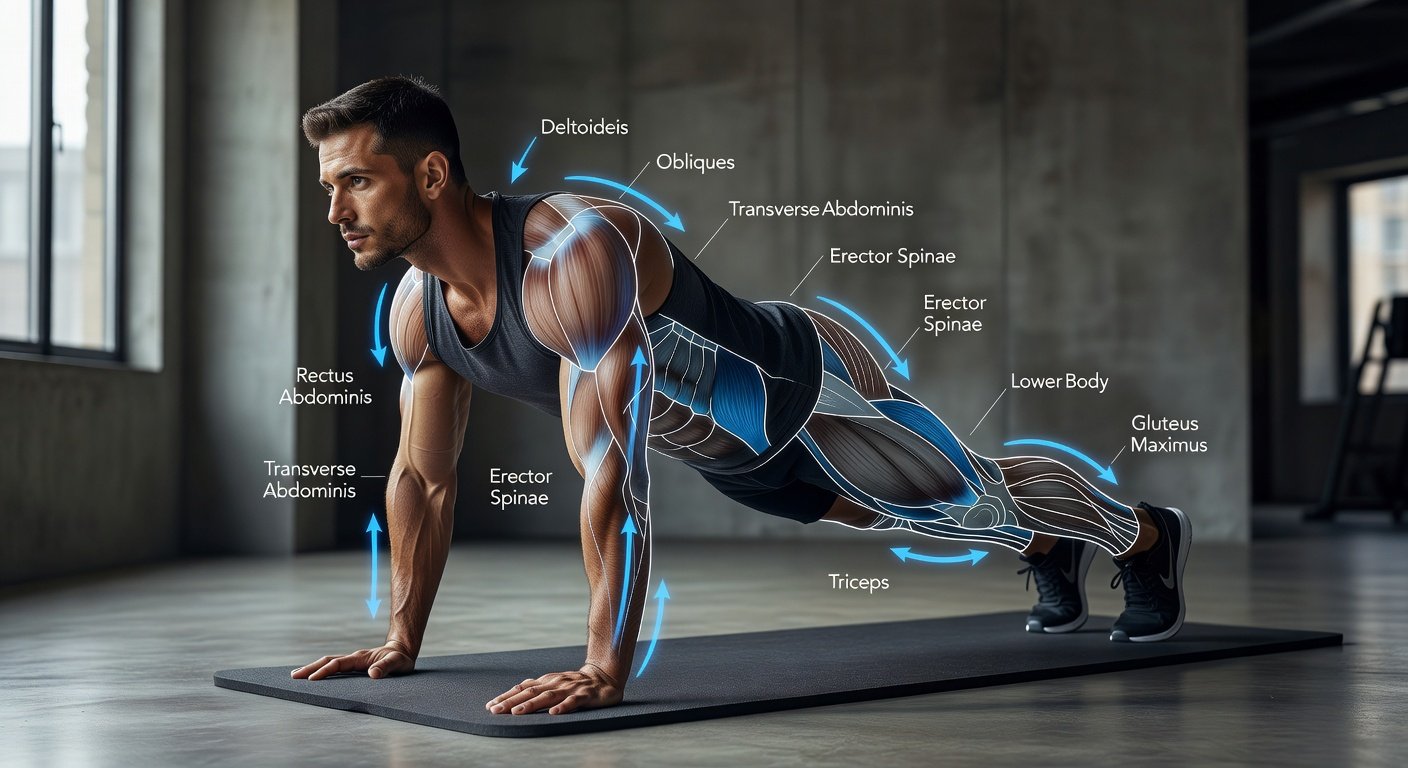
The comprehensive nature of DDP Yoga ensures balanced muscle development across all major muscle groups. The program emphasizes posterior chain strengthening, addressing common weaknesses in modern sedentary lifestyles. Hip flexors, glutes, hamstrings, and spinal erectors receive particular attention through poses like Down Dog, Warrior sequences, and various backbends. Upper body development occurs through arm balances, modified push-ups, and isometric holds that challenge shoulders, chest, and triceps. Core engagement remains constant throughout sessions, developing deep stabilizing muscles often neglected in traditional gym workouts.
Who Benefits Most from DDP Yoga?
DDP Yoga proves most effective for specific demographics and fitness goals. Men over 40 represent the primary target audience, particularly those dealing with joint issues, previous injuries, or intimidation about traditional yoga classes. The program’s masculine branding and athletic approach appeal to former athletes, military personnel, and individuals seeking low-impact alternatives to high-intensity training. Beginners with no prior yoga experience often find success with DDP Yoga because it provides clear progressions and modifications without the spiritual or philosophical elements that may deter some practitioners.
The program excels for individuals recovering from injuries or managing chronic pain conditions. The low-impact nature combined with strength-building components makes it ideal for rehabilitation scenarios. People with arthritis, back problems, or joint replacements often find relief through the controlled movements and gradual progression system. However, the program may not satisfy advanced practitioners seeking intense strength training or those preferring traditional yoga’s meditative aspects. Competitive athletes might find the strength gains insufficient for sport-specific performance enhancement.

Age and Fitness Level Considerations
Age-related considerations play a crucial role in DDP Yoga’s effectiveness. Adults over 50 often experience the most dramatic improvements due to the program’s focus on mobility, balance, and functional strength. The low-impact nature prevents the joint stress associated with running or heavy weightlifting while still providing cardiovascular benefits. Younger practitioners may find the program less challenging initially but can benefit from improved flexibility and injury prevention. The program’s scalability allows individuals of varying fitness levels to participate simultaneously, making it suitable for family fitness or group settings.
Comparing DDP Yoga to Traditional Fitness Programs
When evaluated against conventional fitness approaches, ddp yoga review data reveals both advantages and limitations. Compared to traditional weightlifting, DDP Yoga offers superior flexibility development and lower injury risk but may provide slower strength gains for advanced trainees. The program surpasses standard yoga in cardiovascular benefits and muscle building while maintaining the flexibility and stress-reduction advantages. Against high-intensity interval training (HIIT), DDP Yoga provides better sustainability and joint preservation but potentially lower peak cardiovascular adaptations.
The time efficiency of DDP Yoga compares favorably to split-routine gym programs. A single 45-minute session addresses strength, flexibility, and cardiovascular fitness simultaneously, eliminating the need for separate workouts. This comprehensive approach appeals to busy professionals seeking maximum results from minimal time investment. However, individuals with specific performance goals may require supplementary training. Powerlifters, marathon runners, or sport-specific athletes might use DDP Yoga as complementary training rather than their primary fitness method.
Cost-Effectiveness and Accessibility Analysis
The economic advantages of DDP Yoga become apparent when compared to gym memberships, personal training, and yoga studio fees. The home-based program eliminates travel time and scheduling constraints while providing professional instruction through video content. Initial investment costs significantly less than annual gym memberships, particularly when factoring in long-term usage. The program’s equipment-free approach removes barriers related to space, storage, or additional purchases. However, some practitioners miss the motivation and community aspects of group fitness classes or personal training relationships.
Potential Limitations and Realistic Expectations
Despite positive ddp yoga results reported by many practitioners, the program has inherent limitations that potential users should understand. Strength gains plateau relatively quickly compared to progressive overload weight training, typically within 6-12 months for most individuals. The cardiovascular improvements, while significant for beginners, may not satisfy endurance athletes or those seeking high-intensity conditioning. Advanced practitioners often require supplementary training to continue progressing beyond the program’s scope.
Realistic expectations center on gradual, sustainable improvements rather than dramatic transformations. Most practitioners experience noticeable flexibility gains within 2-4 weeks, strength improvements within 6-8 weeks, and significant body composition changes within 3-6 months of consistent practice. The program works best as a lifestyle change rather than a short-term fitness solution. Individuals expecting rapid muscle growth or extreme weight loss may find results disappointing compared to more intensive programs. Success depends heavily on consistency, proper nutrition, and realistic goal setting.
Common Challenges and Solutions
Practitioners frequently encounter specific challenges when starting DDP Yoga programs. Initial muscle soreness and fatigue are common as the body adapts to new movement patterns and isometric contractions. Flexibility limitations may prevent proper form in certain poses, requiring patience and consistent practice for improvement. Motivation can wane without the external accountability of group classes or personal trainers. Solutions include starting with shorter sessions, using modifications extensively, and establishing consistent practice schedules. Many successful practitioners recommend committing to at least 30 days of regular practice before evaluating results or making program changes.
Frequently Asked Questions
Does DDP Yoga build muscle?
Yes, DDP Yoga builds functional muscle through dynamic resistance techniques and bodyweight exercises. The isometric contractions and progressive poses develop lean muscle mass, particularly in the core, shoulders, and legs. However, muscle gains plateau faster than traditional weight training.
Can you lose weight with DDP Yoga?
DDP Yoga can support weight loss by burning 300-500 calories per session and building lean muscle mass. Success depends on combining regular practice with proper nutrition. Many practitioners report losing 20-50 pounds within six months of consistent practice.
Is DDP Yoga good for beginners?
DDP Yoga excels for beginners due to its clear progression system, modifications for all fitness levels, and approachable masculine branding. The program provides detailed instructions and alternatives, making it accessible for those new to yoga or fitness.
How is DDP Yoga different from regular yoga?
DDP Yoga incorporates dynamic resistance, cardiovascular training, and strength-building elements not found in traditional yoga. It emphasizes muscle engagement through isometric contractions while maintaining yoga’s flexibility and balance benefits, creating a more athletic approach.
How often should you do DDP Yoga?
Most practitioners benefit from 3-4 DDP Yoga sessions per week, allowing rest days for muscle recovery. Beginners should start with 2-3 sessions weekly, while experienced practitioners may practice daily with varying intensities. Consistency matters more than frequency for long-term results.
Ready to Transform Your Fitness Approach?
If you’re considering DDP Yoga or exploring alternative fitness programs, consulting with a qualified fitness professional can help you choose the right approach for your goals and physical condition. Our team of certified trainers and wellness experts can assess your current fitness level, discuss your objectives, and recommend personalized strategies that align with your lifestyle and preferences.


