


The Science Behind Soy and Testosterone Concerns
The question of whether soy lowers testosterone has sparked heated debates in fitness circles for decades. This concern stems primarily from soy’s unique plant compounds called isoflavones, which belong to a broader category known as phytoestrogens. These naturally occurring substances can weakly bind to estrogen receptors in the human body, leading many men to worry about potential feminizing effects. However, the reality is far more nuanced than the black-and-white warnings often circulated online. Understanding the actual mechanisms at play requires examining both the biochemical properties of these compounds and the substantial body of research that has accumulated over the past two decades.
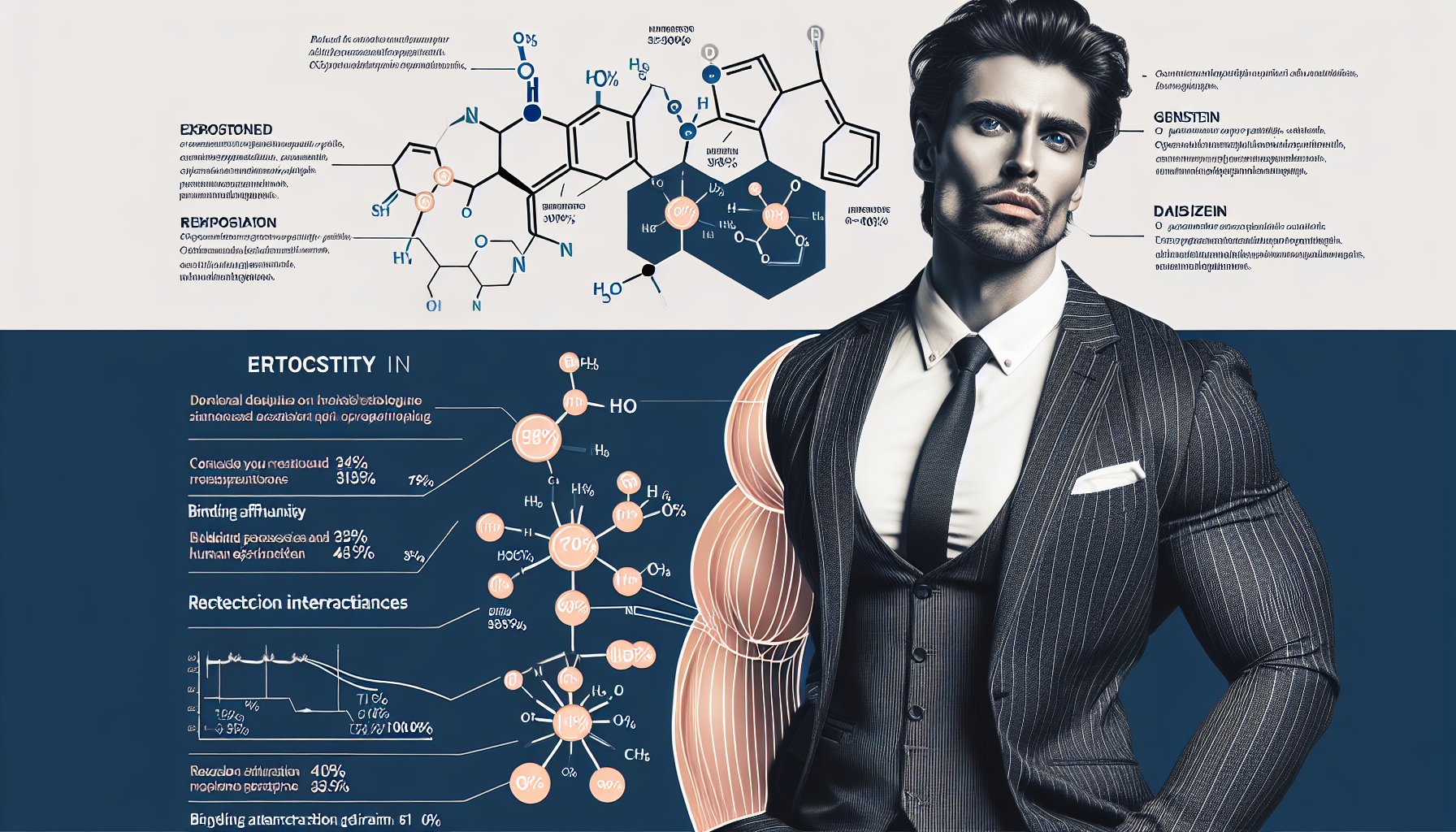
Phytoestrogens represent one of nature’s most misunderstood compounds when it comes to male health. While their name suggests a direct connection to female hormones, these plant-based molecules function quite differently from human estrogen. The key isoflavones in soy—genistein and daidzein—have a molecular structure that allows them to interact with estrogen receptors, but their binding affinity is approximately 1,000 to 10,000 times weaker than actual estrogen. This fundamental difference means that even when consumed in significant quantities, soy isoflavones cannot replicate the powerful hormonal effects of endogenous estrogen. Furthermore, these compounds can actually exhibit both estrogenic and anti-estrogenic properties depending on the individual’s existing hormone levels and the specific tissue in question.
What Meta-Analysis Research Reveals About Soy and Testosterone
The most comprehensive examination of soy’s effects on male hormones comes from multiple meta-analyses that have pooled data from dozens of individual studies. A landmark 2010 meta-analysis published in Fertility and Sterility analyzed 15 placebo-controlled treatment groups and found no significant effects of soy protein or isoflavone intake on testosterone, sex hormone-binding globulin, free testosterone, or free androgen index in men. This analysis included studies ranging from short-term interventions lasting just a few weeks to longer trials extending several months, with participants consuming varying amounts of soy protein and isoflavones. The consistency of results across different study designs, populations, and intake levels provides robust evidence against the testosterone-lowering hypothesis.
Subsequent research has continued to support these findings while providing additional insights into the dose-response relationship. A 2021 systematic review examined 38 clinical trials involving over 1,700 men and confirmed that soy consumption does not significantly alter testosterone levels, even at intake levels far exceeding typical dietary consumption. The studies included in this analysis involved men consuming between 10 and 70 grams of soy protein daily, equivalent to roughly one to seven servings of soy foods. Importantly, the research also examined free testosterone levels, which represent the biologically active portion of the hormone, and found no meaningful changes even with prolonged consumption periods extending up to 12 months.

Understanding the Outlier Case Study
Despite the overwhelming evidence supporting soy’s safety for testosterone levels, one frequently cited case study continues to fuel concerns about soy consumption in men. This 2008 report documented a 60-year-old man who experienced erectile dysfunction and decreased libido after consuming approximately three quarts of soy milk daily for six months. His testosterone levels dropped significantly, but returned to normal within one year after discontinuing the extreme soy intake. While this case appears alarming on the surface, several critical factors must be considered when interpreting its relevance to typical soy consumption patterns. The patient’s daily intake of soy isoflavones was approximately 360 milligrams, which is roughly nine times higher than the average intake in Asian populations where soy foods are dietary staples.
Does Soy Lower Testosterone at Normal Consumption Levels?
When examining realistic consumption patterns, the evidence strongly suggests that soy does not lower testosterone in healthy men. Most research has focused on intake levels that mirror real-world consumption in populations with traditionally high soy intake, such as Japan and other Asian countries. In these populations, daily isoflavone consumption typically ranges from 25 to 50 milligrams, which translates to roughly one to two servings of soy foods such as tofu, tempeh, or soy milk. Studies examining these intake levels consistently show no adverse effects on testosterone production, sperm quality, or other markers of male reproductive health. In fact, some research suggests potential benefits, including improved cardiovascular health and reduced prostate cancer risk.
The distinction between pharmacological and nutritional doses becomes crucial when evaluating soy’s safety profile. While isolated isoflavone supplements can deliver concentrated doses that exceed normal dietary intake by several fold, whole soy foods provide these compounds alongside other nutrients that may modulate their absorption and biological activity. The protein matrix in soy foods, along with fiber and other bioactive compounds, creates a complex nutritional package that differs significantly from isolated isoflavone extracts. This context helps explain why studies using whole soy foods consistently show neutral or positive effects on male health, while some supplement studies have produced mixed results depending on the dose and duration of intervention.
Soy Protein vs Other Protein Sources for Men
For men concerned about maintaining optimal testosterone levels while meeting their protein requirements, soy protein offers several advantages compared to other plant-based options. Unlike many plant proteins that lack one or more essential amino acids, soy protein provides a complete amino acid profile that rivals animal-based proteins in terms of biological value. Research comparing soy protein to whey protein in resistance-trained men has shown equivalent effects on muscle protein synthesis, strength gains, and body composition changes. Importantly, these studies have also monitored hormone levels and consistently found no differences in testosterone between groups consuming soy versus dairy-based proteins over periods ranging from eight to 12 weeks.
Phytoestrogens vs Real Estrogen: Critical Differences
The fundamental misunderstanding about phytoestrogens stems from conflating their weak estrogenic activity with the potent effects of human estrogen. While both compounds can bind to estrogen receptors, the biological outcomes differ dramatically due to variations in binding affinity, receptor selectivity, and downstream signaling pathways. Human estrogen binds to receptors with high affinity and triggers robust cellular responses that regulate everything from reproductive function to bone density. Phytoestrogens, by contrast, bind weakly and often produce modest or even opposing effects depending on the tissue and hormonal context. This selective estrogen receptor modulator (SERM) activity means that phytoestrogens can actually block stronger estrogenic signals when estrogen levels are high, while providing mild estrogenic effects when levels are low.
The concept of hormonal balance becomes particularly relevant when considering phytoestrogen effects in men. Rather than simply adding estrogen-like activity to the system, these compounds can help modulate the overall estrogenic environment. In men with higher estrogen levels relative to testosterone—a condition that can occur with aging, obesity, or certain medications—phytoestrogens may actually provide anti-estrogenic effects by competing with more potent estrogens for receptor binding sites. This mechanism could theoretically support rather than suppress testosterone function, though the clinical significance of these interactions remains an active area of research. The key point is that phytoestrogens do not simply mimic estrogen but rather interact with the hormonal system in complex ways that depend on individual physiology and existing hormone levels.
How Soy Estrogen Affects Men Differently Than Women
The hormonal effects of soy consumption show marked differences between men and women, largely due to baseline hormone levels and receptor distribution patterns. Women naturally produce significantly more estrogen than men, which means that phytoestrogens represent a relatively small addition to their total estrogenic exposure. In postmenopausal women, when natural estrogen production declines dramatically, phytoestrogens may provide modest estrogenic effects that could benefit bone health and cardiovascular function. Men, however, maintain relatively stable but much lower estrogen levels throughout their lives, making them theoretically more sensitive to external estrogenic influences. Paradoxically, research suggests that men may actually be less affected by dietary phytoestrogens than women, possibly due to differences in gut microbiota that influence isoflavone metabolism.
Soy Milk and Testosterone: Separating Fact from Fiction
Soy milk has become a particular target of testosterone-related concerns, partly due to its popularity as a dairy alternative and partly because of the infamous case study mentioned earlier. However, typical soy milk consumption patterns bear little resemblance to the extreme intake documented in that isolated report. A standard eight-ounce serving of soy milk contains approximately 6-10 grams of soy protein and 20-30 milligrams of isoflavones, which falls well within the range of intake levels studied in clinical trials. Men who consume one to two servings of soy milk daily are unlikely to experience any measurable effects on testosterone levels based on the available research evidence. Even individuals who consume soy milk as their primary beverage choice, replacing dairy milk entirely, typically achieve isoflavone intake levels that remain within the safe range established by population studies.
The processing methods used to create commercial soy milk may actually reduce the concentration of isoflavones compared to whole soybeans, further diminishing any theoretical hormonal concerns. Heat treatment, filtration, and other manufacturing processes can break down or remove some of the bioactive compounds found in raw soybeans. Additionally, many commercial soy milk products are fortified with vitamins and minerals that may provide health benefits independent of isoflavone content. For men seeking to optimize their nutrition while maintaining healthy testosterone levels, soy milk can serve as a valuable source of high-quality protein, particularly for those following plant-based diets or managing lactose intolerance. The key is maintaining reasonable consumption levels and viewing soy milk as part of a varied, balanced diet rather than a primary caloric source.
Safe Consumption Guidelines for Men
Based on the current research evidence, men can safely consume moderate amounts of soy foods without concern for testosterone suppression. The Asian population data suggests that daily isoflavone intake up to 50 milligrams—equivalent to about two servings of traditional soy foods—poses no risk to male hormonal health. This translates to practical serving sizes such as four ounces of tofu, one cup of soy milk, or half a cup of tempeh daily. Men who choose to include soy protein powder in their fitness regimen can safely consume 20-30 grams of soy protein per day, which provides similar amounts of isoflavones to whole food sources while supporting muscle protein synthesis goals.
What Foods Actually Impact Testosterone Levels
While soy has been unfairly demonized in discussions about testosterone, several dietary factors do have documented effects on male hormone levels. Excessive alcohol consumption represents one of the most significant dietary threats to testosterone production, with chronic heavy drinking capable of suppressing hormone synthesis and increasing estrogen levels through enhanced aromatase activity. Trans fats, commonly found in processed foods and some restaurant preparations, have been associated with reduced testosterone levels in observational studies. High sugar intake, particularly from refined sources, can contribute to insulin resistance and obesity, both of which negatively impact testosterone production through multiple pathways including increased aromatase activity in adipose tissue.
Conversely, certain foods and nutrients can support healthy testosterone levels when consumed as part of a balanced diet. Adequate zinc intake is crucial for testosterone synthesis, with oysters, red meat, and pumpkin seeds serving as excellent sources. Vitamin D, whether obtained through sun exposure or dietary sources like fatty fish, plays a vital role in hormone production. Healthy fats from sources like avocados, nuts, and olive oil provide the cholesterol backbone necessary for steroid hormone synthesis. Rather than focusing on avoiding specific foods like soy, men concerned about testosterone levels would benefit more from maintaining a nutrient-dense diet, regular exercise routine, adequate sleep, and healthy body weight—factors that have much more significant impacts on hormonal health than moderate soy consumption.
Lifestyle Factors That Matter More Than Soy Intake
The obsession with soy’s potential testosterone effects often overshadows lifestyle factors that have far more dramatic impacts on male hormonal health. Sleep quality and duration represent perhaps the most critical variables, with testosterone production occurring primarily during deep sleep phases. Men who consistently sleep less than six hours per night can experience testosterone reductions of 10-15%, which far exceeds any theoretical effects from soy consumption. Chronic stress and elevated cortisol levels create a hormonal environment that directly suppresses testosterone synthesis while promoting muscle breakdown and fat accumulation. Regular resistance training, particularly compound movements involving large muscle groups, provides one of the most powerful natural stimuli for testosterone production and can easily offset minor dietary influences.
Frequently Asked Questions
Does soy really lower testosterone in men?
No, research shows that moderate soy consumption does not lower testosterone in healthy men. Multiple meta-analyses examining dozens of studies have found no significant effects on testosterone levels, even with intake levels exceeding typical dietary consumption.
How much soy is safe for men to eat?
Men can safely consume up to 50 milligrams of isoflavones daily (about 2 servings of soy foods) without affecting testosterone levels. This equals roughly one cup of soy milk or 4 ounces of tofu per day.
Is soy milk bad for men?
No, soy milk is not harmful to men when consumed in normal amounts. One to two servings daily provide high-quality protein and nutrients without impacting testosterone levels, based on extensive research evidence.
Do phytoestrogens act like real estrogen?
Phytoestrogens bind to estrogen receptors 1,000-10,000 times more weakly than human estrogen and often produce different biological effects. They can actually block stronger estrogenic signals rather than simply adding estrogen-like activity.
Should men avoid soy protein?
No, soy protein is safe and effective for men. Research comparing soy protein to whey protein shows equivalent effects on muscle building and no differences in testosterone levels among resistance-trained men.
Ready to Optimize Your Nutrition Strategy?
Understanding the science behind nutrition myths like soy and testosterone is just the beginning. If you’re serious about maximizing your health and performance through evidence-based nutrition strategies, our expert team can help you develop a personalized approach that cuts through the confusion and focuses on what actually works. Contact us today to learn how proper nutrition planning can support your fitness goals without unnecessary dietary restrictions.


