


The Foundation of an Effective Abs Diet
The age-old saying “abs are made in the kitchen” carries profound truth that extends beyond simple calorie counting. An effective abs diet operates on the principle that visible abdominal muscles require a strategic approach to nutrition that simultaneously reduces body fat while preserving lean muscle mass. This dual objective demands precision in macronutrient distribution, meal timing, and food selection that goes far beyond traditional weight loss approaches. The abs diet framework centers on creating a sustainable caloric deficit while maintaining adequate protein intake to support muscle retention and metabolic function.
Understanding the physiology behind visible abs reveals why nutrition plays such a critical role in abdominal definition. Most men need to achieve body fat percentages between 10-15% to see clear abdominal muscle definition, while some genetic variations may require even lower levels. This reduction in body fat percentage cannot be achieved through abdominal exercises alone, regardless of training intensity or frequency. The abs diet addresses this reality by implementing specific nutritional strategies that target visceral and subcutaneous fat reduction while supporting the metabolic processes that maintain muscle mass during caloric restriction.
Caloric Deficit Targets for Six Pack Results
Establishing the appropriate caloric deficit represents the cornerstone of any successful abs diet plan. Research indicates that a moderate deficit of 300-500 calories below maintenance levels provides optimal fat loss while minimizing muscle loss and metabolic adaptation. This deficit should be calculated based on your total daily energy expenditure (TDEE), which includes basal metabolic rate, activity thermogenesis, and exercise energy expenditure. Men typically require deficits on the higher end of this range due to greater muscle mass and higher metabolic rates, while the specific target depends on current body composition and training status.
Protein Requirements for Abs Diet Success
Protein intake forms the nutritional backbone of eating for abs, serving multiple critical functions that extend beyond simple muscle preservation. During caloric restriction, adequate protein consumption becomes even more crucial as it helps maintain metabolic rate, supports muscle protein synthesis, and provides superior satiety compared to carbohydrates or fats. The abs diet should prioritize protein intake of 1.2-1.6 grams per kilogram of body weight for sedentary individuals, escalating to 1.6-2.2 grams per kilogram for those engaged in regular resistance training. This elevated protein requirement during fat loss phases helps offset the increased protein turnover that occurs during caloric restriction.
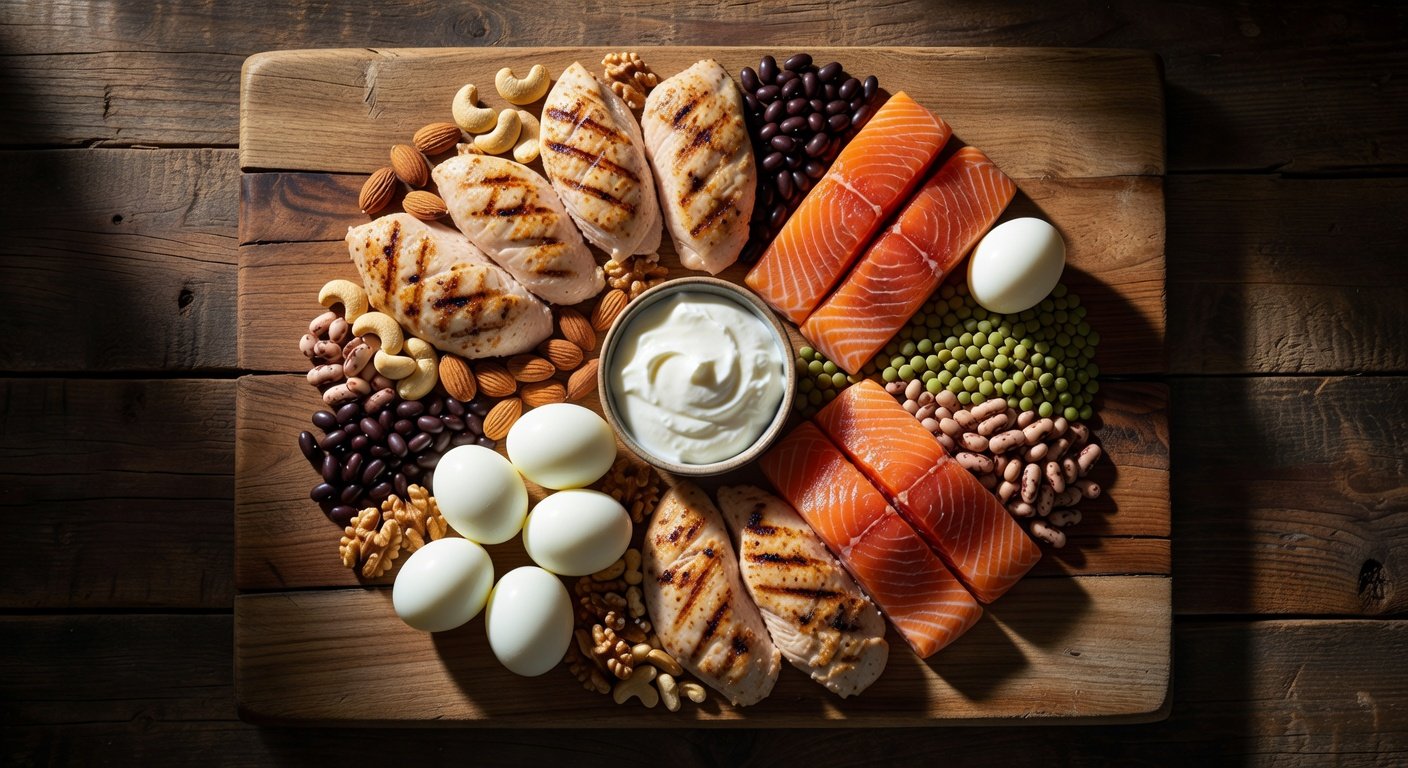
High-quality protein sources should dominate your six pack diet plan, emphasizing complete proteins that provide all essential amino acids in optimal ratios. Lean meats such as chicken breast, turkey, and lean cuts of beef provide excellent protein density with minimal additional calories from fat. Fish varieties like salmon, tuna, and cod offer the added benefit of omega-3 fatty acids, which may support fat oxidation and reduce inflammation. Plant-based options including legumes, quinoa, and hemp seeds can supplement animal proteins while providing additional fiber and micronutrients. Distributing protein intake evenly across meals helps optimize muscle protein synthesis and maintains stable blood sugar levels throughout the day.
Strategic Carbohydrate Timing for Abs
Carbohydrate timing within your nutrition for abs strategy can significantly impact both performance and body composition outcomes. The concept of nutrient timing suggests that consuming carbohydrates around training sessions maximizes their utilization for performance and recovery while minimizing fat storage potential. Pre-workout carbohydrate intake should focus on easily digestible sources consumed 30-60 minutes before training to provide readily available glucose for high-intensity exercise. Post-workout carbohydrate consumption within the 2-hour window following training helps replenish muscle glycogen stores and supports the recovery process that’s essential for maintaining training quality during caloric restriction.
Foods to Prioritize in Your Diet for Six Pack
The foundation of eating for abs rests on selecting nutrient-dense, minimally processed foods that support fat loss while providing essential vitamins and minerals. Lean protein sources should occupy the central position in every meal, including options like egg whites, Greek yogurt, cottage cheese, and protein powder when whole food sources are insufficient. Complex carbohydrates from sources like oats, quinoa, sweet potatoes, and brown rice provide sustained energy while supporting training performance. These carbohydrate sources offer superior satiety and nutrient density compared to refined alternatives, making them ideal for maintaining energy levels during caloric restriction.
Healthy fats play a crucial role in hormone production and nutrient absorption, making them essential components of any comprehensive abs diet. Sources like avocados, nuts, seeds, olive oil, and fatty fish provide essential fatty acids that support testosterone production and overall metabolic health. Vegetables should comprise a significant portion of daily food intake, with leafy greens, cruciferous vegetables, and colorful produce providing fiber, antioxidants, and volume with minimal calories. The high fiber content of vegetables promotes satiety and supports digestive health, while their low energy density allows for larger portion sizes without exceeding caloric targets.
Foods to Minimize for Optimal Results
Certain foods can significantly impede progress toward visible abs by promoting fat storage, causing inflammation, or providing excessive calories without corresponding nutritional value. Processed foods high in added sugars, refined flours, and trans fats should be strictly limited or eliminated from your six pack diet plan. These foods typically provide rapid spikes in blood glucose and insulin levels, potentially promoting fat storage while offering minimal satiety per calorie consumed. Common culprits include sugary beverages, candy, pastries, white bread, and most packaged snack foods that dominate modern food environments.
Hydration Strategies for Abdominal Definition
Proper hydration represents an often-overlooked component of nutrition for abs that can significantly impact both performance and appearance. Adequate water intake supports metabolic processes, helps maintain training performance, and can reduce water retention that masks abdominal definition. The general recommendation of 8-10 glasses of water daily provides a baseline, but individual needs vary based on body size, activity level, climate, and overall health status. Men engaged in regular training may require 3-4 liters of water daily to maintain optimal hydration status, with additional intake needed during intense training sessions or hot weather conditions.
Strategic hydration timing can enhance the effectiveness of your abs diet by supporting appetite regulation and metabolic function. Consuming water before meals can promote satiety and potentially reduce caloric intake, while adequate hydration throughout the day supports optimal kidney function and toxin elimination. The quality of water intake also matters, with filtered water being preferable to reduce exposure to chlorine and other chemicals that may impact gut health. Electrolyte balance becomes increasingly important during caloric restriction, as reduced food intake may limit natural electrolyte consumption from whole foods.
Managing Sodium for Reduced Bloating
Sodium management within your eating for abs approach can dramatically impact abdominal appearance by influencing water retention and bloating. Excessive sodium intake promotes water retention that can mask muscle definition and create a softer appearance around the midsection. The typical Western diet provides 2-3 times the recommended sodium intake, primarily through processed foods, restaurant meals, and added table salt. Reducing sodium intake to 1,500-2,300 milligrams daily can help minimize water retention while supporting cardiovascular health and blood pressure regulation.
Sample Daily Eating Framework for Abs
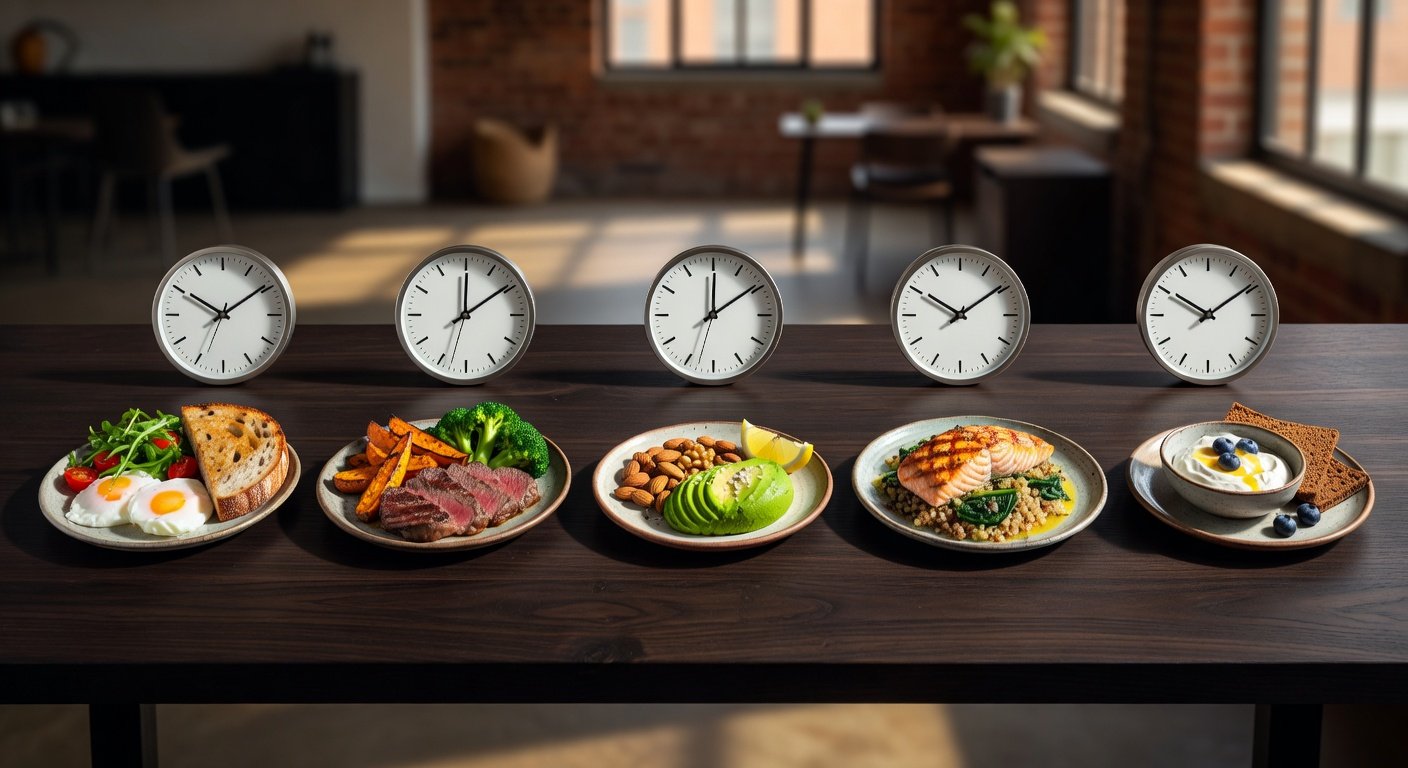
A practical abs diet framework provides structure while allowing flexibility to accommodate individual preferences and schedules. The following template assumes a 180-pound male with moderate activity levels targeting a 400-calorie deficit from a 2,400-calorie maintenance level. Breakfast should emphasize protein and fiber to promote satiety throughout the morning, such as egg whites with vegetables and oatmeal, providing approximately 400-450 calories with 30-35 grams of protein. Mid-morning snacking can include Greek yogurt with berries or a protein smoothie, adding 150-200 calories and 20-25 grams of protein to maintain stable blood sugar levels.
Lunch represents the largest meal of the day, featuring lean protein, complex carbohydrates, and vegetables totaling 500-600 calories. A typical lunch might include grilled chicken breast with quinoa and mixed vegetables, providing 40-45 grams of protein and substantial fiber content. Afternoon snacks should focus on protein and healthy fats, such as nuts with an apple or cottage cheese with vegetables, contributing 200-250 calories. Dinner emphasizes protein and vegetables with minimal carbohydrates, such as salmon with roasted Brussels sprouts and a small sweet potato, totaling 450-500 calories. This framework provides approximately 2,000 calories with 140-160 grams of protein, supporting fat loss while maintaining muscle mass.
Meal Prep Strategies for Consistency
Successful implementation of any diet for six pack requires consistent meal preparation and planning to avoid impulsive food choices that derail progress. Batch cooking proteins like chicken breast, ground turkey, and hard-boiled eggs provides convenient options throughout the week while maintaining portion control. Preparing complex carbohydrates in bulk, such as brown rice, quinoa, and roasted sweet potatoes, eliminates daily cooking time while providing consistent energy sources. Washing and chopping vegetables immediately after grocery shopping creates ready-to-eat options that make healthy choices more convenient than processed alternatives.
Supplementation Considerations for Abs Diet
While whole foods should form the foundation of eating for abs, certain supplements may support your goals when used appropriately alongside a well-designed nutrition plan. Protein powder serves as a convenient tool for meeting daily protein targets, particularly for individuals with high requirements or limited time for meal preparation. Whey protein isolate provides rapid absorption and high biological value, making it ideal for post-workout consumption, while casein protein offers slower digestion suitable for evening consumption or between meals. Plant-based protein powders can serve similar functions for those avoiding animal products, though attention to amino acid profiles becomes more important.
Omega-3 fatty acid supplements may support fat oxidation and reduce inflammation when fish consumption is limited in your six pack diet plan. High-quality fish oil or algae-based omega-3 supplements can provide EPA and DHA fatty acids that support metabolic health and recovery from training. Multivitamin supplementation can help fill potential nutrient gaps during caloric restriction, though whole food sources should remain the primary focus. Vitamin D supplementation deserves special consideration, as deficiency is common and may impact testosterone levels and metabolic function. Before implementing any supplementation strategy, consult with healthcare professionals to assess individual needs and potential interactions with medications or health conditions.
Timing and Cycling Strategies
Advanced practitioners of nutrition for abs may benefit from strategic timing and cycling approaches that optimize fat loss while preventing metabolic adaptation. Carbohydrate cycling involves alternating between higher and lower carbohydrate days based on training schedule and goals, with higher intake on intense training days and reduced intake on rest days. This approach may help maintain training performance while promoting fat oxidation during lower-activity periods. Intermittent fasting protocols can be incorporated into abs diet strategies, with time-restricted eating windows potentially supporting fat loss through improved insulin sensitivity and increased fat oxidation during fasting periods.
Frequently Asked Questions
What should I eat to get a six pack?
Focus on lean proteins (chicken, fish, eggs), complex carbohydrates (oats, quinoa, sweet potatoes), healthy fats (avocados, nuts), and plenty of vegetables. Maintain a moderate caloric deficit of 300-500 calories below maintenance while consuming 1.6-2.2 grams of protein per kilogram of body weight.
How many calories for visible abs?
Calorie needs vary by individual, but most men require a deficit of 300-500 calories below their total daily energy expenditure (TDEE). A 180-pound moderately active male might target 2,000-2,200 calories daily to achieve the body fat percentage needed for visible abs.
Do carbs prevent abs from showing?
Carbohydrates don’t prevent abs when consumed appropriately. Focus on complex carbs timed around workouts, limit refined sugars and processed foods, and maintain your overall caloric deficit. Carbs support training performance necessary for maintaining muscle during fat loss.
How much protein do you need for abs?
Aim for 1.6-2.2 grams of protein per kilogram of body weight daily when following an abs diet. This higher protein intake helps preserve muscle mass during caloric restriction, supports metabolic rate, and provides superior satiety compared to other macronutrients.
Is keto good for getting abs?
Keto can be effective for fat loss and abs development, but it’s not necessary. Any diet creating a sustainable caloric deficit while maintaining adequate protein can reveal abs. Choose the approach that best fits your lifestyle, training performance, and long-term adherence preferences.
Ready to Transform Your Nutrition for Visible Abs?
Implementing an effective abs diet requires personalized guidance tailored to your specific goals, body composition, and lifestyle factors. Our nutrition experts can help you develop a customized eating plan that accelerates your progress while fitting seamlessly into your daily routine. Contact us today to schedule a consultation and take the first step toward achieving the defined midsection you’ve been working toward.


