


Why High Protein Foods Matter for Men
Men require significantly more protein than women due to higher muscle mass, testosterone levels, and metabolic demands. The average sedentary man needs approximately 0.8 grams of protein per kilogram of body weight, but active men building muscle require 1.6-2.2 grams per kilogram. High protein foods support muscle synthesis, hormone production, immune function, and satiety. Research shows men who consume adequate protein maintain better body composition, recover faster from workouts, and experience improved cognitive performance throughout the day.
Beyond muscle building, protein rich foods provide essential amino acids that your body cannot produce on its own. These amino acids fuel everything from neurotransmitter production to wound healing. Men following resistance training programs particularly benefit from strategic protein timing and variety. Different protein sources offer unique amino acid profiles, absorption rates, and additional nutrients. Understanding which foods high in protein deliver the best value helps optimize both performance and budget while supporting long-term health goals.
Premium Meat Sources: Maximum Protein Per Dollar
Lean meats represent the gold standard for complete protein sources, delivering all essential amino acids in optimal ratios. Chicken breast leads the pack with 31 grams of protein per 100-gram serving at roughly $0.15 per gram of protein. Ground turkey (93% lean) provides 29 grams per 100 grams while offering superior flavor and versatility. Lean beef cuts like eye of round contain 30 grams of protein plus significant amounts of iron, zinc, and B-vitamins crucial for testosterone production and energy metabolism.
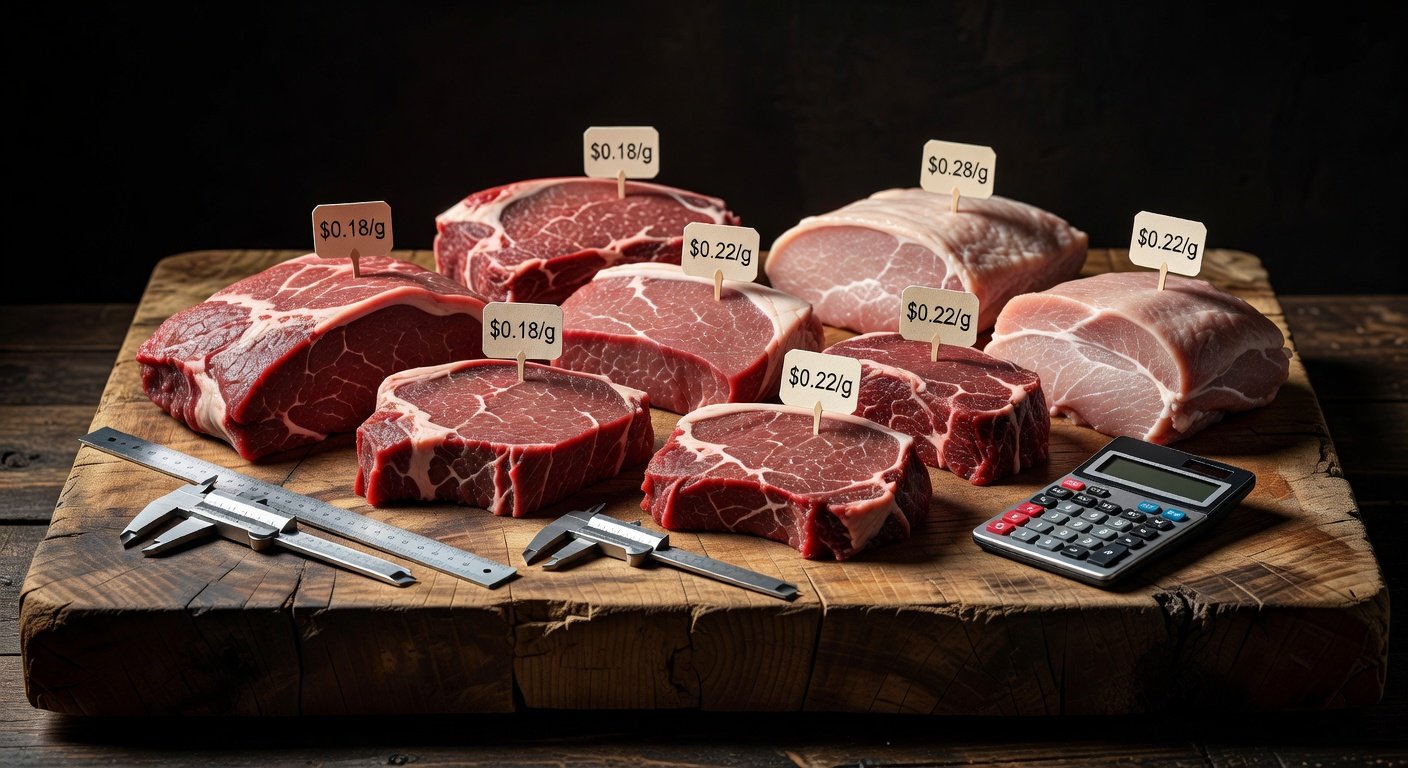
Pork tenderloin delivers 26 grams of protein per 100 grams and often costs less than premium beef cuts, making it an excellent budget option. Lean ground beef (90% lean) provides 26 grams of protein while remaining affordable for meal prep. Venison and other game meats offer 30+ grams of protein with minimal saturated fat, though availability varies by region. When purchasing meat, buying in bulk and freezing portions reduces cost per gram of protein significantly. Choose cuts with minimal visible fat to maximize protein density per calorie.
Organ Meats: Nutrient-Dense Protein Powerhouses
Organ meats provide exceptional protein content alongside micronutrients rarely found in muscle meat. Beef liver contains 29 grams of protein per 100 grams plus massive amounts of vitamin A, iron, and B-vitamins. Chicken liver offers 25 grams of protein and costs significantly less than premium cuts. Kidney provides 24 grams of protein with high selenium content. These foods high in protein require proper preparation but deliver unmatched nutritional density. Many men avoid organ meats due to taste preferences, but incorporating small amounts into ground meat mixtures masks flavors while boosting nutrient profiles substantially.
Fish and Seafood: Lean Protein with Omega-3 Benefits
Fish provides complete protein with additional omega-3 fatty acids supporting cardiovascular health and reducing inflammation. Canned tuna delivers 25 grams of protein per 100 grams at approximately $0.08 per gram, making it the most economical animal protein available. Salmon contains 25 grams of protein plus significant omega-3 content, though fresh varieties cost more than canned options. Sardines provide 25 grams of protein with exceptional calcium and vitamin D content, while remaining extremely affordable.
White fish varieties like cod, halibut, and tilapia offer 20-23 grams of protein per 100 grams with minimal fat content, perfect for cutting phases. Shrimp delivers 24 grams of protein with virtually no carbohydrates, though cost per gram runs higher than fish. Frozen fish often provides better value than fresh while maintaining nutritional quality. Canned fish varieties offer convenience and shelf stability, making them ideal for emergency protein sources. When selecting fish, prioritize wild-caught options when budget allows, as they typically contain higher omega-3 levels than farm-raised alternatives.
Budget-Friendly Seafood Strategies
Maximizing seafood protein value requires strategic shopping and preparation techniques. Buying whole fish and filleting yourself reduces cost by 30-40% compared to pre-cut portions. Frozen fish blocks cost significantly less per pound than individual frozen fillets. Canned fish provides the best protein-per-dollar ratio, with options like mackerel and salmon offering premium nutrition at budget prices. Shopping sales and buying in bulk when prices drop helps maintain steady seafood intake without budget strain. Many grocery stores mark down fresh fish near expiration dates, providing opportunities for immediate preparation or freezing.
Dairy Products: Complete Proteins with Added Calcium
Dairy products offer complete protein sources with excellent bioavailability and additional nutrients supporting bone health. Greek yogurt leads dairy options with 10 grams of protein per 100 grams, though protein content varies significantly between brands. Cottage cheese provides 11 grams of protein per 100 grams at exceptional value, often costing under $0.10 per gram of protein. Low-fat milk delivers 3.4 grams of protein per 100 grams while providing calcium, vitamin D, and B-vitamins essential for muscle function.
Hard cheeses like cheddar and Swiss contain 25 grams of protein per 100 grams, though higher fat content increases calories per gram of protein. Ricotta cheese offers 11 grams of protein with versatile culinary applications. Whey protein powder, derived from dairy, provides 80-90 grams of protein per 100 grams, making it the most concentrated protein source available. When selecting dairy products, choose low-fat or fat-free options to maximize protein density. Lactose-intolerant men can often tolerate hard cheeses and Greek yogurt due to reduced lactose content.
Plant-Based Protein Sources: Sustainable and Affordable
Plant-based proteins offer sustainable, budget-friendly alternatives with additional fiber and micronutrients. Lentils provide 9 grams of protein per 100 grams cooked, plus significant folate and iron content. Black beans deliver 9 grams of protein with high fiber supporting digestive health. Chickpeas contain 8 grams of protein and versatile culinary applications from hummus to roasted snacks. Quinoa offers 4.4 grams of complete protein per 100 grams cooked, providing all essential amino acids rare in plant sources.
Hemp seeds deliver 31 grams of protein per 100 grams with optimal omega fatty acid ratios. Pumpkin seeds provide 19 grams of protein plus significant zinc content supporting testosterone production. Almonds contain 21 grams of protein per 100 grams, though higher fat content increases calories. Dried legumes offer exceptional protein value, often costing under $0.05 per gram of protein when purchased in bulk. Combining different plant proteins throughout the day ensures complete amino acid profiles comparable to animal sources.

Maximizing Plant Protein Absorption
Plant proteins require strategic combining to optimize amino acid profiles and absorption rates. Pairing legumes with grains creates complete protein combinations, such as beans with rice or lentils with quinoa. Soaking dried legumes before cooking improves digestibility and reduces cooking time. Adding vitamin C sources like tomatoes or peppers enhances iron absorption from plant proteins. Fermented plant proteins like tempeh and miso offer improved bioavailability compared to their unfermented counterparts. Men following plant-based diets should aim for 1.2-1.4 times the protein recommendations for omnivores to account for lower bioavailability.
Eggs: The Perfect Protein Standard
Eggs represent the biological value standard against which all other proteins are measured. One large egg contains 6 grams of complete protein with all essential amino acids in optimal ratios. Egg whites provide 11 grams of protein per 100 grams with virtually no fat or carbohydrates. Whole eggs deliver additional nutrients including choline for brain health and lutein for eye health. At approximately $0.08 per gram of protein, eggs offer exceptional value while providing culinary versatility from scrambled to hard-boiled preparations.
The protein in eggs demonstrates superior absorption rates compared to many other sources. Egg protein powder, while more expensive than whole eggs, provides concentrated protein for post-workout nutrition. Duck eggs contain slightly more protein than chicken eggs with richer flavor profiles. Quail eggs offer novelty but provide similar nutritional profiles to chicken eggs at higher cost. Proper storage extends egg freshness, with refrigerated eggs maintaining quality for 4-5 weeks past purchase date. Men concerned about cholesterol can consume egg whites exclusively while maintaining excellent protein intake.
High-Protein Snacks and Convenience Foods
Portable protein sources support consistent intake throughout busy schedules. Beef jerky provides 33 grams of protein per 100 grams, though sodium content requires moderation. Turkey jerky offers similar protein with potentially lower sodium depending on preparation. Protein bars vary widely in quality, with the best options providing 20+ grams of protein with minimal added sugars. Nuts and nut butters deliver protein alongside healthy fats, with peanut butter providing 25 grams per 100 grams.
Protein powder remains the most convenient option for rapid protein delivery, mixing easily with water or milk. Casein protein provides slow-release amino acids ideal for nighttime consumption. Plant-based protein powders offer alternatives for those avoiding dairy. Hard-boiled eggs prepared in advance provide grab-and-go protein with minimal preparation time. String cheese offers portion-controlled protein with excellent portability. When selecting convenience proteins, compare cost per gram to identify the best value options for your specific needs and preferences.
Protein Timing and Distribution
Optimal protein utilization requires strategic timing and distribution throughout the day. Research suggests consuming 20-30 grams of protein per meal maximizes muscle protein synthesis. Spreading protein intake across 4-6 meals prevents amino acid oxidation and supports consistent muscle building. Post-workout protein consumption within 30-60 minutes optimizes recovery and adaptation. Casein protein before bed provides overnight muscle protein synthesis support. Men over 40 may benefit from slightly higher per-meal protein amounts due to decreased muscle protein synthesis efficiency.
Cost Analysis: Best Protein Sources Per Dollar
Smart protein purchasing requires analyzing cost per gram rather than price per pound. Dried legumes consistently provide the lowest cost per gram of protein, often under $0.05 per gram when purchased in bulk. Canned tuna ranks as the most economical animal protein at approximately $0.08 per gram. Whole chickens cost less per gram of protein than individual parts when you process them yourself. Eggs maintain consistent pricing year-round, providing reliable budget protein planning.
Protein powder appears expensive per container but often delivers competitive per-gram pricing with added convenience. Buying meat in bulk during sales and freezing portions reduces long-term protein costs significantly. Generic store brands typically offer identical nutritional profiles to name brands at 20-30% lower costs. Seasonal price fluctuations affect certain proteins, with fish prices varying based on catch seasons. Building relationships with local farmers or butchers can provide access to bulk pricing and specialty cuts at reduced costs.
Bulk Buying and Storage Strategies
Maximizing protein value requires effective bulk purchasing and storage systems. Vacuum sealing individual portions before freezing prevents freezer burn and extends storage life. Chest freezers provide space for bulk meat purchases during sales events. Dried legumes store for years in airtight containers, providing emergency protein sources. Rotation systems ensure older products get used before expiration dates. Splitting bulk purchases with friends or family reduces individual costs while maintaining variety. Proper storage techniques maintain protein quality while maximizing shelf life and value.
Frequently Asked Questions
What food has the most protein per calorie?
Egg whites provide the highest protein-to-calorie ratio at approximately 11 grams of protein per 100 grams with only 52 calories. Lean white fish like cod and halibut also offer exceptional protein density with minimal calories.
What are the best cheap protein sources?
Dried legumes, canned tuna, eggs, and chicken thighs offer the best protein value per dollar. Buying in bulk and preparing meals at home significantly reduces protein costs compared to convenience options.
How much protein is in an egg?
One large egg contains approximately 6 grams of complete protein. Egg whites provide about 3.6 grams of protein each, while the yolk contributes 2.4 grams plus additional nutrients.
Should men eat more protein than women?
Yes, men typically require more total protein due to higher muscle mass and body weight. Active men need 1.6-2.2 grams per kilogram of body weight, compared to slightly lower requirements for women.
Are plant proteins as good as animal proteins?
Plant proteins can be equally effective when properly combined to provide complete amino acid profiles. However, they typically require higher total intake due to lower bioavailability compared to animal sources.
Ready to Optimize Your Protein Intake?
Building muscle and maintaining optimal health requires more than just knowing which foods are high in protein. Our nutrition experts can help you create a personalized protein strategy that fits your goals, budget, and lifestyle. Contact us today to develop a comprehensive nutrition plan that maximizes your results while keeping costs manageable.


