


The Science Behind Protein for Muscle Growth
The fitness world overflows with conflicting advice about protein for muscle growth, but recent research provides clear guidelines. Multiple peer-reviewed studies consistently show that consuming 1.6-2.2 grams of protein per kilogram of body weight daily optimizes muscle protein synthesis for strength training individuals. This translates to roughly 0.7-1.0 grams per pound of body weight. For a 180-pound man, this means 126-180 grams of daily protein intake. These numbers represent the sweet spot where your muscles receive adequate amino acids for repair and growth without excessive intake that provides no additional benefits. The International Society of Sports Nutrition endorses this range based on comprehensive meta-analyses examining protein requirements across different training populations.
Your body constantly breaks down and rebuilds muscle tissue through processes called muscle protein breakdown and muscle protein synthesis. Resistance training temporarily increases both processes, but protein intake tips the balance toward net muscle growth. Without sufficient amino acids from dietary protein, your muscles cannot effectively repair microscopic damage from workouts or build new tissue. The 1.6-2.2g/kg range ensures your amino acid pool remains saturated throughout the day, supporting continuous muscle protein synthesis. This evidence-based approach eliminates guesswork and provides a scientifically validated framework for determining your optimal daily protein intake based on current body weight and training status.
Why the Old 1g Per Pound Rule Falls Short
The traditional recommendation of one gram of protein per pound of body weight oversimplifies protein requirements and often leads to unnecessary overconsumption. This outdated guideline originated from bodybuilding magazines rather than peer-reviewed research and fails to account for individual factors like training experience, body composition, and metabolic efficiency. Recent studies demonstrate that exceeding 2.2g/kg body weight provides no additional muscle-building benefits for most individuals. The excess protein gets converted to glucose through gluconeogenesis or stored as fat, making higher intakes metabolically wasteful. Additionally, the per-pound calculation inflates requirements for heavier individuals who may carry significant body fat, as muscle tissue drives protein needs more than total body weight.
Optimal Daily Protein Intake by Body Weight
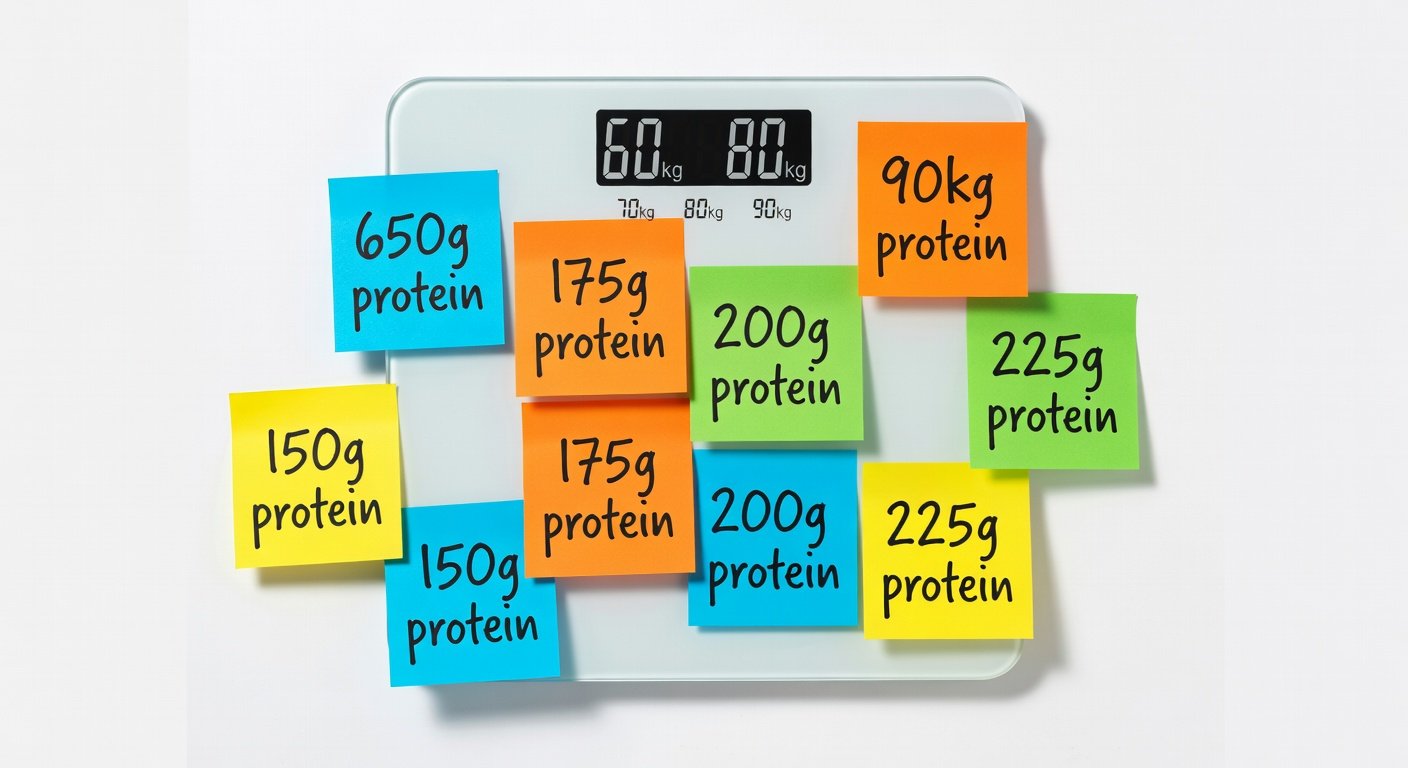
Calculating your specific protein needs requires considering your current weight and training goals. For muscle growth, multiply your body weight in kilograms by 1.8 to find your target daily protein intake. A 70kg (154lb) individual should consume approximately 126 grams of protein daily, while a 90kg (198lb) person needs around 162 grams. These calculations assume regular resistance training and adequate caloric intake to support muscle growth. Individuals in caloric deficits may benefit from slightly higher protein intake (up to 2.2g/kg) to preserve muscle mass during weight loss. Beginners to resistance training can often build muscle effectively at the lower end of this range, while advanced trainees may require closer to the upper limit.
Sample daily protein distribution for different body weights illustrates practical application of these guidelines. A 160-pound man (73kg) targeting 131 grams daily protein might consume 30g at breakfast (three eggs plus Greek yogurt), 35g at lunch (6oz chicken breast), 25g post-workout (protein shake), and 41g at dinner (8oz salmon). This distribution provides consistent amino acid availability while aligning with natural meal patterns. Larger individuals require proportionally more protein but can achieve targets through slightly larger portions rather than additional meals. The key lies in consistent daily intake rather than perfect meal-by-meal precision.
Adjusting Protein Intake for Training Phase
Your protein requirements fluctuate based on training intensity, volume, and specific goals. During muscle-building phases with high training volumes, aim for the upper end of the 1.6-2.2g/kg range to support increased recovery demands. Cutting phases require elevated protein intake to preserve muscle mass while in a caloric deficit, often reaching 2.2-2.4g/kg body weight. Maintenance phases allow for moderate protein intake around 1.6-1.8g/kg while still supporting training adaptations. Deload weeks or training breaks may permit slightly lower intake, though maintaining consistent protein habits supports long-term adherence. These adjustments ensure your nutrition matches your training demands and physique goals throughout different phases of your fitness journey.
Protein Timing: Separating Fact from Fiction
The concept of precise protein timing has been significantly overstated in fitness circles, with research showing total daily intake matters far more than specific timing windows. The infamous “anabolic window” suggesting immediate post-workout protein consumption is necessary has been largely debunked by recent studies. Muscle protein synthesis remains elevated for 24-48 hours after resistance training, providing a much larger window for protein consumption than previously believed. While consuming protein within a few hours of training may provide modest benefits, missing the immediate post-workout window will not derail your muscle-building progress. This finding liberates trainees from obsessive timing protocols and emphasizes the importance of consistent daily protein intake.
Practical protein timing should focus on convenience and adherence rather than rigid schedules. Consuming protein every 3-4 hours throughout the day maintains steady amino acid availability and supports muscle protein synthesis. This approach naturally aligns with typical meal patterns and prevents the stress of constant meal timing. Pre-workout protein consumption may enhance training performance and recovery, particularly for early morning sessions when muscle protein breakdown is elevated from overnight fasting. Post-workout protein remains beneficial but is not critically time-sensitive. The most effective timing strategy is one you can maintain consistently while meeting your total daily protein targets.
Meal Distribution Strategies That Work
Distributing protein evenly across meals optimizes muscle protein synthesis throughout the day while supporting practical eating patterns. Research suggests consuming 20-40 grams of high-quality protein per meal maximizes the muscle-building response, with larger individuals benefiting from higher per-meal amounts. This translates to 4-6 protein-containing meals or snacks daily for most people pursuing muscle growth. Uneven distribution, such as minimal protein at breakfast and lunch followed by a massive dinner portion, fails to sustain muscle protein synthesis and may limit overall muscle-building potential. Consistent meal-by-meal protein intake maintains elevated amino acid levels and supports continuous muscle repair and growth processes.
Complete vs Incomplete Proteins for Muscle Building
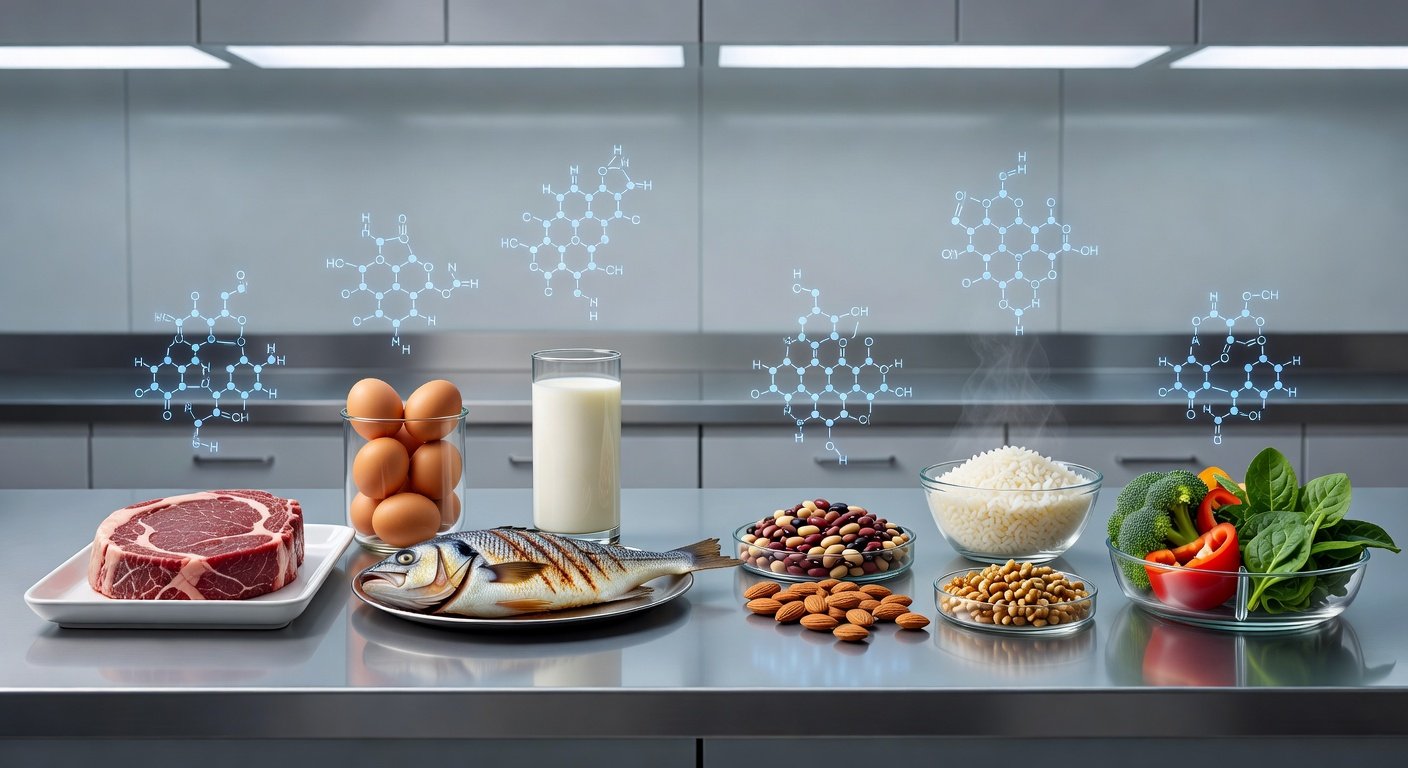
Understanding protein quality becomes crucial when optimizing muscle growth, as not all protein sources provide equal muscle-building potential. Complete proteins contain all nine essential amino acids in adequate proportions for human needs, making them superior for muscle protein synthesis. Animal proteins like chicken, beef, fish, eggs, and dairy naturally provide complete amino acid profiles with high biological value. These sources also contain higher concentrations of leucine, a branched-chain amino acid that triggers muscle protein synthesis. Plant proteins often lack one or more essential amino acids, requiring strategic combinations to achieve complete profiles. However, this limitation does not preclude plant-based muscle building when proper planning ensures amino acid completeness.
Protein quality scores help evaluate different sources for muscle-building effectiveness. The Protein Digestibility Corrected Amino Acid Score (PDCAAS) and newer Digestible Indispensable Amino Acid Score (DIAAS) rank proteins based on amino acid composition and digestibility. Whey protein, eggs, and lean meats score highest on these scales, while many plant proteins score lower due to limiting amino acids or reduced digestibility. However, combining complementary plant proteins throughout the day can achieve complete amino acid profiles. Rice and beans, quinoa and nuts, or hemp and pea protein create complete combinations. The key lies in variety and adequate total protein intake rather than perfection at every meal.
Maximizing Plant-Based Protein for Muscle Growth
Plant-based athletes can successfully build muscle by strategically combining protein sources and slightly increasing total intake to compensate for lower digestibility and amino acid scores. Consuming 2.0-2.4g/kg body weight of plant protein often achieves similar muscle-building results as lower amounts of animal protein. Key plant proteins include legumes, quinoa, hemp seeds, spirulina, and plant-based protein powders that blend multiple sources. Combining different plant proteins throughout the day ensures all essential amino acids are available for muscle protein synthesis. For example, pairing rice protein with pea protein creates a complete amino acid profile with excellent digestibility. Timing becomes slightly more important for plant-based diets, as consuming a variety of protein sources around workouts maximizes amino acid availability during peak muscle protein synthesis periods.
Debunking Common Protein Myths
The persistent myth that high protein intake damages kidney function in healthy adults has been thoroughly debunked by extensive research. Multiple long-term studies examining protein intakes up to 3.5g/kg body weight show no adverse effects on kidney function in individuals with healthy kidneys. This misconception likely arose from studies on people with existing kidney disease, where protein restriction is medically necessary. For healthy adults engaged in resistance training, protein intakes within the 1.6-2.2g/kg range pose no health risks and support optimal muscle development. However, individuals with pre-existing kidney conditions should consult healthcare providers before significantly increasing protein intake. The fear of kidney damage should not prevent healthy individuals from consuming adequate protein for their muscle-building goals.
Another widespread misconception suggests the body can only absorb 20-30 grams of protein per meal, with excess amounts being wasted. Research demonstrates the body can effectively utilize much larger protein doses, with absorption rates varying based on protein source, individual factors, and meal composition. While muscle protein synthesis may plateau around 20-40g per meal, the remaining protein serves other important functions including gluconeogenesis, immune function, and tissue repair throughout the body. Large protein meals simply take longer to digest and absorb, extending the period of elevated amino acid availability. This flexibility allows for varied meal patterns and eliminates anxiety about precise portion sizes, focusing attention on total daily intake rather than meal-by-meal perfection.
The Truth About Protein Supplements
Protein supplements serve as convenient tools for meeting daily protein targets but offer no inherent advantages over whole food sources for muscle building. Whey protein powder provides rapid digestion and high leucine content, making it popular for post-workout consumption, while casein protein digests slowly for sustained amino acid release. However, whole foods like chicken, fish, eggs, and Greek yogurt provide equivalent muscle-building benefits along with additional nutrients like vitamins, minerals, and healthy fats. Supplements become valuable when whole food protein intake proves insufficient, inconvenient, or impractical. They should complement, not replace, a varied diet rich in high-quality protein sources. The most effective approach combines both whole foods and supplements based on individual preferences, lifestyle factors, and daily protein targets.
Practical Implementation Strategies
Successfully implementing optimal protein intake requires practical strategies that fit your lifestyle and preferences. Start by calculating your daily protein target using the 1.8g/kg guideline, then identify 3-4 high-quality protein sources you enjoy eating regularly. Plan your meals around these protein sources, adding carbohydrates and fats to create balanced, satisfying meals. Batch cooking proteins like grilled chicken, hard-boiled eggs, or cooked lentils simplifies daily meal preparation and ensures consistent protein availability. Keep convenient protein options like Greek yogurt, protein powder, nuts, or jerky available for quick snacks or meals. Track your intake for a few days to identify patterns and adjust portions as needed to meet your targets.
Meal prep becomes a powerful tool for consistent protein intake, allowing you to prepare several days’ worth of protein sources in advance. Cook large batches of lean meats, prepare protein-rich snacks, and portion out servings for easy access throughout the week. This approach eliminates daily decision-making about protein sources and reduces the likelihood of falling short of your targets. Consider your schedule when planning protein distribution, ensuring adequate intake around training sessions and throughout busy periods. Flexibility remains key – some days may require different approaches, but consistency over time matters more than daily perfection. Focus on building sustainable habits that support your long-term muscle-building goals.
Monitoring Progress and Adjusting Intake
Regular assessment of your muscle-building progress helps determine whether your current protein intake supports your goals effectively. Track body weight, strength gains, and visual changes over 4-6 week periods rather than daily fluctuations. If progress stalls despite consistent training and adequate calories, consider increasing protein intake toward the upper end of the recommended range. Conversely, if you’re gaining muscle successfully at lower protein levels, there’s no need to increase intake unnecessarily. Pay attention to recovery between workouts, as inadequate protein can manifest as prolonged muscle soreness or decreased training performance. Blood work can provide additional insights, though most healthy individuals won’t need regular monitoring solely for protein intake assessment.
Frequently Asked Questions
How much protein do I need per day to build muscle?
Research shows 1.6-2.2 grams of protein per kilogram of body weight daily optimizes muscle growth for resistance-trained individuals. For a 180-pound man, this equals 126-180 grams of protein daily. This range ensures adequate amino acids for muscle protein synthesis without unnecessary excess.
Is 200 grams of protein a day too much?
For most people, 200 grams daily exceeds optimal requirements unless you weigh over 220 pounds. Studies show no additional muscle-building benefits beyond 2.2g/kg body weight. Excess protein gets converted to glucose or stored as fat, making higher intakes metabolically inefficient.
When is the best time to eat protein for muscle growth?
Total daily protein intake matters more than precise timing. Muscle protein synthesis stays elevated 24-48 hours after training, providing a large window for protein consumption. Aim for 20-40 grams of protein every 3-4 hours throughout the day for optimal results.
Does protein timing actually matter?
Protein timing has minimal impact compared to total daily intake. The “anabolic window” concept has been largely debunked by research. While consuming protein around workouts may provide modest benefits, missing specific timing windows won’t significantly impact muscle growth.
Ready to Optimize Your Nutrition for Maximum Gains?
Building muscle requires more than just hitting the gym – your nutrition strategy can make or break your results. Our certified nutritionists and fitness experts can help you create a personalized protein plan that fits your lifestyle, training goals, and dietary preferences. Whether you’re looking to build lean muscle, improve recovery, or optimize your overall nutrition, we’ll provide evidence-based guidance tailored to your specific needs. Contact us today to schedule your consultation and take the guesswork out of your muscle-building nutrition.


