


StairMaster vs Treadmill: The Complete Calorie Burn Comparison
When comparing stairmaster vs treadmill for calorie expenditure, the StairMaster consistently edges ahead in raw numbers. A 180-pound man burns approximately 400-500 calories during a 30-minute moderate-intensity StairMaster session, while the same individual burns 300-400 calories running at 6 mph on a treadmill for the same duration. The vertical climbing motion engages larger muscle groups simultaneously, creating higher energy demands. Your heart rate typically climbs 10-15 beats per minute higher on the StairMaster compared to steady-state treadmill running at equivalent perceived exertion levels. This increased cardiovascular demand translates directly into accelerated calorie burn, making the StairMaster a time-efficient choice for men seeking maximum fat loss results within limited workout windows.
However, the treadmill offers superior versatility for manipulating calorie burn through incline and speed variations. High-intensity interval training (HIIT) protocols on treadmills can push calorie expenditure to 600-700 calories per 30-minute session when alternating between sprints and recovery periods. The ability to adjust both speed and incline creates infinite workout combinations, allowing you to target specific heart rate zones more precisely. Running at 8 mph on a 5% incline burns significantly more calories than moderate StairMaster climbing. Additionally, treadmill workouts can be sustained for longer durations without the intense muscular fatigue that typically limits StairMaster sessions to 20-30 minutes for most users.
Metabolic Afterburn Effects: EPOC Comparison
Excess Post-Exercise Oxygen Consumption (EPOC) represents the calories your body continues burning after your workout ends. StairMaster sessions generate substantial EPOC effects due to the high-intensity nature of vertical climbing. The anaerobic component of stair climbing creates oxygen debt that must be repaid post-exercise, elevating your metabolic rate for 2-6 hours afterward. Research indicates StairMaster workouts can increase post-exercise calorie burn by 15-20% compared to steady-state cardio. This metabolic boost becomes particularly pronounced during interval-style StairMaster sessions where you alternate between high-intensity climbing bursts and brief recovery periods. The combination of large muscle group engagement and anaerobic energy system activation makes the StairMaster exceptionally effective for extending calorie burn beyond the actual workout duration.
Muscle Engagement: Which Machine Builds More Functional Strength
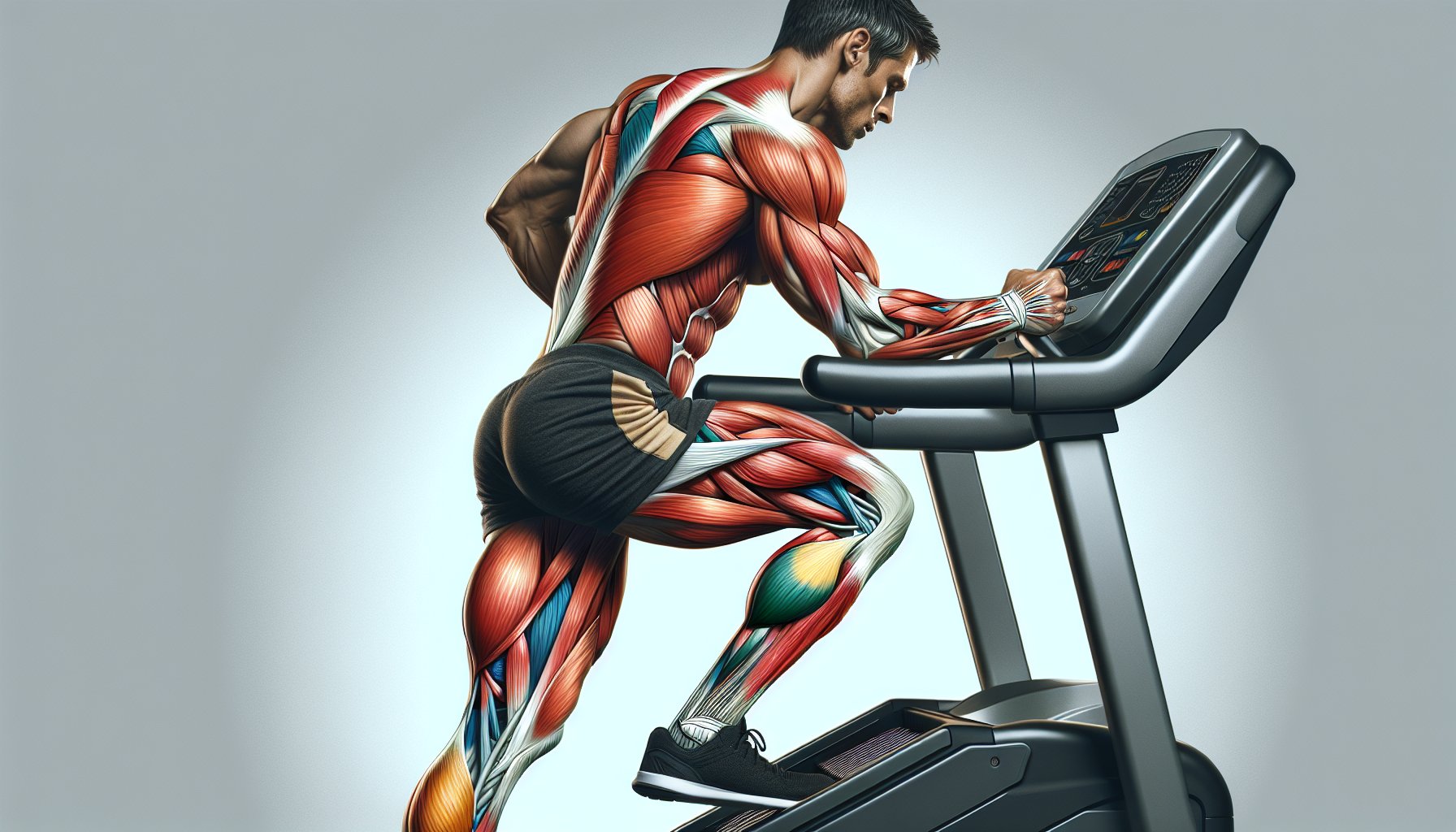
The stairclimber vs treadmill debate becomes particularly interesting when examining muscle recruitment patterns. StairMaster workouts engage your entire posterior chain—glutes, hamstrings, and calves—while simultaneously activating core stabilizers and hip flexors. Each step requires concentric muscle contractions against gravity, creating resistance training effects alongside cardiovascular conditioning. Your glutes work significantly harder during stair climbing compared to running on flat surfaces, with EMG studies showing 25-40% higher glute activation on StairMasters. The quadriceps also experience substantial engagement during the climbing motion, particularly during the push-off phase of each step. This comprehensive lower body activation makes the StairMaster an excellent choice for men seeking to develop functional leg strength while improving cardiovascular fitness.
Treadmill running primarily targets the same muscle groups but with different activation patterns. Running emphasizes eccentric muscle contractions during the landing phase, particularly in the quadriceps and calves, which helps develop shock absorption capabilities and joint stability. The forward propulsion motion engages hip flexors and glutes differently than vertical climbing, creating more balanced muscle development across multiple movement planes. Incline treadmill walking or running shifts muscle activation patterns closer to those seen during stair climbing, with increased glute and hamstring engagement. However, even steep incline treadmill work rarely matches the pure vertical muscle activation achieved through StairMaster training.
Upper Body Involvement and Core Activation
While both machines primarily target lower body muscles, their upper body engagement differs significantly. StairMaster workouts naturally incorporate core stabilization as you maintain balance during the climbing motion. Your abdominals, obliques, and lower back muscles work continuously to prevent forward lean and maintain proper posture. Many users unconsciously grip the handrails, which can reduce core activation and overall calorie burn. Proper StairMaster technique involves minimal handrail contact, forcing your core to work harder for stability. Some advanced StairMaster models feature moving handlebars that engage your arms and shoulders, creating a more comprehensive full-body workout. This upper body involvement can increase total calorie expenditure by an additional 10-15% compared to stationary handrail models.
Joint Impact Analysis: Protecting Your Knees, Hips, and Ankles
Joint impact represents a crucial consideration when choosing between these cardio machines, particularly for men over 35 or those with previous injuries. Treadmill running generates impact forces ranging from 2.5 to 3.5 times your body weight with each foot strike. A 200-pound man experiences 500-700 pounds of force through his joints during each running step. This repetitive impact can stress knee cartilage, hip joints, and ankle structures over time. However, the natural running motion promotes bone density maintenance and joint mobility when performed with proper form and appropriate training progression. Modern treadmills feature advanced shock absorption systems that can reduce impact forces by 15-30% compared to concrete or asphalt surfaces.
StairMaster workouts involve significantly lower impact forces since both feet never leave the pedals simultaneously. The controlled stepping motion eliminates the jarring landing forces associated with running while still providing weight-bearing exercise benefits. Your joints move through natural range-of-motion patterns without excessive stress, making StairMaster training suitable for individuals with mild knee or hip issues. The vertical climbing motion can actually help strengthen the muscles surrounding your knee joint, potentially reducing injury risk over time. However, the repetitive stepping pattern may aggravate certain conditions like patellofemoral pain syndrome or IT band tightness in susceptible individuals.

Long-Term Joint Health Considerations
The cumulative effects of your cardio machine choice extend far beyond immediate workout benefits. Regular treadmill running, when performed with proper progression and recovery protocols, strengthens bones and maintains joint cartilage health through controlled loading. The varied movement patterns possible on treadmills—including forward, backward, and lateral walking—promote joint mobility and muscle balance. However, excessive high-impact training without adequate recovery can accelerate joint wear, particularly in the knees and hips. Incorporating lower-impact treadmill sessions through incline walking provides cardiovascular benefits while reducing cumulative joint stress. The key lies in balancing high-impact training with recovery periods and cross-training activities to maintain joint health throughout your fitness journey.
Cardiovascular Benefits: Heart Health and Endurance Development
Both machines deliver exceptional cardiovascular conditioning, but through different physiological pathways. StairMaster workouts typically elevate heart rate more rapidly and maintain higher average heart rates throughout the session. The intense muscular demands of vertical climbing create significant cardiovascular stress, often pushing users into anaerobic training zones. This makes StairMaster training particularly effective for improving VO2 max and anaerobic threshold. Your cardiovascular system adapts by increasing stroke volume and improving oxygen delivery efficiency. The high-intensity nature of StairMaster workouts also enhances cardiac output and strengthens heart muscle more aggressively than moderate-intensity steady-state cardio.
Treadmill training offers superior flexibility for targeting specific cardiovascular adaptations through varied workout protocols. Steady-state running builds aerobic base fitness and improves fat oxidation capabilities. Long, moderate-intensity treadmill sessions enhance mitochondrial density and capillarization in working muscles. Interval training protocols on treadmills can systematically improve both aerobic and anaerobic energy systems. The ability to precisely control speed and incline allows for scientific periodization of cardiovascular training. This versatility makes treadmills ideal for athletes and fitness enthusiasts seeking to optimize specific physiological adaptations rather than simply maximizing calorie burn during individual workouts.
Heart Rate Training Zones and Efficiency
Understanding heart rate responses helps optimize your cardio machine selection for specific fitness goals. StairMaster workouts naturally push most users into higher heart rate zones due to the intense muscular demands. This makes it challenging to maintain steady aerobic training zones for extended periods. Most men find their heart rate climbing into the 80-90% maximum range within 5-10 minutes of StairMaster training. While this intensity drives rapid fitness improvements, it limits workout duration and may not be suitable for aerobic base building. The high heart rate response makes StairMaster training excellent for time-efficient HIIT protocols but less ideal for longer, moderate-intensity sessions that build aerobic capacity and fat-burning efficiency.
Treadmill vs StairMaster for Weight Loss: Goal-Specific Recommendations
For pure fat loss, the choice between stairmaster or treadmill depends largely on your current fitness level, time availability, and adherence factors. The StairMaster excels for men seeking maximum calorie burn in minimal time. Twenty-minute high-intensity StairMaster sessions can match or exceed the calorie expenditure of 30-40 minute moderate treadmill runs. The higher intensity also promotes greater fat oxidation during the post-exercise recovery period. However, the demanding nature of StairMaster workouts may limit frequency and duration, potentially reducing total weekly calorie expenditure. Men who can only sustain 15-20 minute StairMaster sessions three times per week may burn fewer total calories than those completing 45-minute treadmill walks five times weekly.
Treadmill training offers superior sustainability for long-term weight loss success. The ability to adjust intensity allows for longer workout durations, increasing total calorie expenditure per session. Walking at moderate intensities can be sustained for 60-90 minutes, creating substantial calorie deficits. The lower perceived exertion of treadmill walking also promotes better workout adherence, which proves crucial for sustained weight loss. Additionally, treadmill training can be easily integrated into daily routines through activities like walking meetings or entertainment consumption during longer sessions. The psychological ease of treadmill use often leads to more consistent training habits, ultimately producing better long-term weight management results despite potentially lower per-minute calorie burn rates.
Metabolic Flexibility and Fat Adaptation
The metabolic adaptations from each machine type influence long-term fat loss success differently. StairMaster training primarily develops anaerobic power and glycolytic energy system capacity. While this creates substantial immediate calorie burn, it may not optimize fat oxidation pathways as effectively as moderate-intensity aerobic training. The high-intensity nature of StairMaster workouts relies heavily on carbohydrate metabolism rather than fat burning during exercise. However, the intense metabolic stress promotes favorable hormonal responses, including increased growth hormone and catecholamine production, which support fat loss during recovery periods. This makes StairMaster training excellent for men seeking rapid body composition changes but potentially less optimal for developing metabolic flexibility and fat adaptation.
Space, Cost, and Practical Considerations for Home Gyms
Home gym space constraints often influence cardio equipment decisions significantly. Quality StairMaster machines typically require 4-6 square feet of floor space and 8-9 feet of ceiling clearance. The vertical design creates a smaller footprint compared to treadmills, making StairMasters suitable for apartments or compact home gyms. However, the stepping motion generates more noise and vibration than treadmill walking, potentially creating issues in multi-story homes or shared living spaces. Entry-level StairMaster machines start around $1,500-2,500, while commercial-quality units cost $3,000-6,000. The mechanical complexity of StairMaster drives requires regular maintenance and occasional repairs, adding to long-term ownership costs.
Treadmills demand more floor space, typically requiring 6-8 feet in length and 3-4 feet in width, plus additional clearance around the machine for safety. Folding treadmill models can reduce storage requirements but often compromise stability and motor power. Quality home treadmills range from $1,000-4,000, with commercial-grade units costing $4,000-8,000. Modern treadmills offer superior entertainment integration, including built-in screens, internet connectivity, and virtual training programs. The belt-driven design typically requires less maintenance than StairMaster stepping mechanisms. Noise levels vary significantly between models, with higher-end units featuring quieter motors and better shock absorption systems that reduce operational noise and vibration transmission.
Technology Integration and Workout Variety
Modern cardio equipment increasingly incorporates technology features that enhance workout engagement and effectiveness. Premium treadmills offer extensive programming options, including virtual courses, interactive training sessions, and automatic speed/incline adjustments based on heart rate targets. Many models feature large touchscreen displays with streaming entertainment options, making longer workout sessions more enjoyable. GPS integration allows for virtual outdoor running experiences, while social features enable competition with other users worldwide. These technological enhancements can significantly improve workout adherence and long-term equipment utilization, potentially justifying higher initial investment costs through increased usage frequency and duration.
Frequently Asked Questions
Does StairMaster burn more calories than treadmill?
Yes, StairMaster typically burns 15-25% more calories than moderate treadmill running. A 180-pound man burns 400-500 calories in 30 minutes on StairMaster versus 300-400 calories running at 6 mph on treadmill. The vertical climbing motion engages larger muscle groups simultaneously, creating higher energy demands.
Is StairMaster better for glutes than running?
StairMaster provides superior glute activation compared to flat treadmill running. EMG studies show 25-40% higher glute muscle activation during stair climbing. Each step requires powerful concentric contractions against gravity, making StairMaster excellent for glute development and strengthening.
Which is easier on your knees: StairMaster or treadmill?
StairMaster is generally easier on knees due to lower impact forces. Treadmill running generates 2.5-3.5 times body weight impact with each step, while StairMaster eliminates jarring landing forces since feet never leave pedals simultaneously. However, repetitive stepping may aggravate certain knee conditions.
How long should you use a StairMaster for fat loss?
For fat loss, aim for 15-30 minute StairMaster sessions 3-4 times per week. The high intensity typically limits sustainable workout duration compared to treadmills. Start with 10-15 minutes and gradually increase duration as fitness improves. Focus on consistency over duration for optimal results.
Can you build muscle on a StairMaster?
StairMaster provides some muscle building benefits, particularly for glutes, hamstrings, and calves. The resistance component of climbing against gravity creates strength adaptations. However, progressive overload is limited compared to traditional weight training. StairMaster is better for muscle endurance and toning rather than significant mass gains.
Ready to Optimize Your Cardio Training?
Choosing between StairMaster and treadmill depends on your specific fitness goals, time constraints, and physical limitations. Whether you’re focused on maximum calorie burn, joint-friendly exercise, or long-term sustainability, the right cardio equipment can accelerate your progress significantly. Our fitness experts can help you design a personalized cardio program that maximizes your results while fitting your lifestyle and preferences. Contact us today to develop a strategic approach to your cardiovascular training that delivers the body composition and fitness improvements you’re seeking.


