


Why Athletic Bodies Look Different from Bodybuilders
The difference between an athletic physique and a bodybuilder’s frame goes far beyond genetics or training volume. Athletes develop bodies designed for performance first, aesthetics second. Their muscle development follows function, creating balanced proportions that support explosive movement, endurance, and injury prevention. Athletic body training emphasizes multi-joint movements, power development, and movement quality over pure muscle isolation. This approach builds lean, dense muscle tissue with superior neuromuscular coordination.
Bodybuilders train primarily for muscle size and symmetry, often sacrificing functional movement patterns for visual impact. They typically focus on single-joint exercises, higher training volumes per muscle group, and longer rest periods between sets. Athletes, conversely, train movement patterns that translate directly to their sport demands. Their bodies reflect this functional approach: broader shoulders from overhead pressing and pulling, powerful glutes from sprinting and jumping, and core stability from rotational movements. The athletic training principles create bodies that move as impressively as they look.
The Science Behind Athletic Muscle Development
Athletic training principles stimulate different physiological adaptations than traditional bodybuilding methods. Athletes develop higher concentrations of Type II muscle fibers, which generate more power and create denser, more compact muscle tissue. Their training also enhances intermuscular coordination, allowing multiple muscle groups to work synergistically during complex movements. This creates the lean, functional appearance characteristic of elite athletes across various sports disciplines.
Principle 1: Multi-Planar Movement Training
Real athletic performance happens in three dimensions, not just the sagittal plane where most gym exercises occur. Multi-planar movement training incorporates sagittal (forward/backward), frontal (side-to-side), and transverse (rotational) plane movements into every training session. This approach develops the kind of functional strength that transfers to real-world activities and sports performance. Athletes rarely move in straight lines during competition, so their training shouldn’t either.
Implementing multi-planar training means replacing some traditional bilateral exercises with unilateral variations, adding rotational components to strength movements, and incorporating lateral movement patterns. Instead of standard squats, athletes might perform lateral lunges with rotation, single-leg deadlifts with reaches, or medicine ball throws in multiple directions. This training philosophy builds the kind of three-dimensional strength and stability that creates truly athletic physiques while reducing injury risk through improved movement mechanics.

Programming Multi-Planar Movements
Effective multi-planar programming requires systematic progression from stable to unstable environments, bilateral to unilateral loading, and simple to complex movement patterns. Start each training session with multi-planar warm-up movements, incorporate at least one exercise from each plane during strength training, and finish with integrated movement patterns that combine all three planes. This approach ensures comprehensive athletic development while maintaining training specificity for your goals.
Principle 2: Power Development Through Rate of Force Production
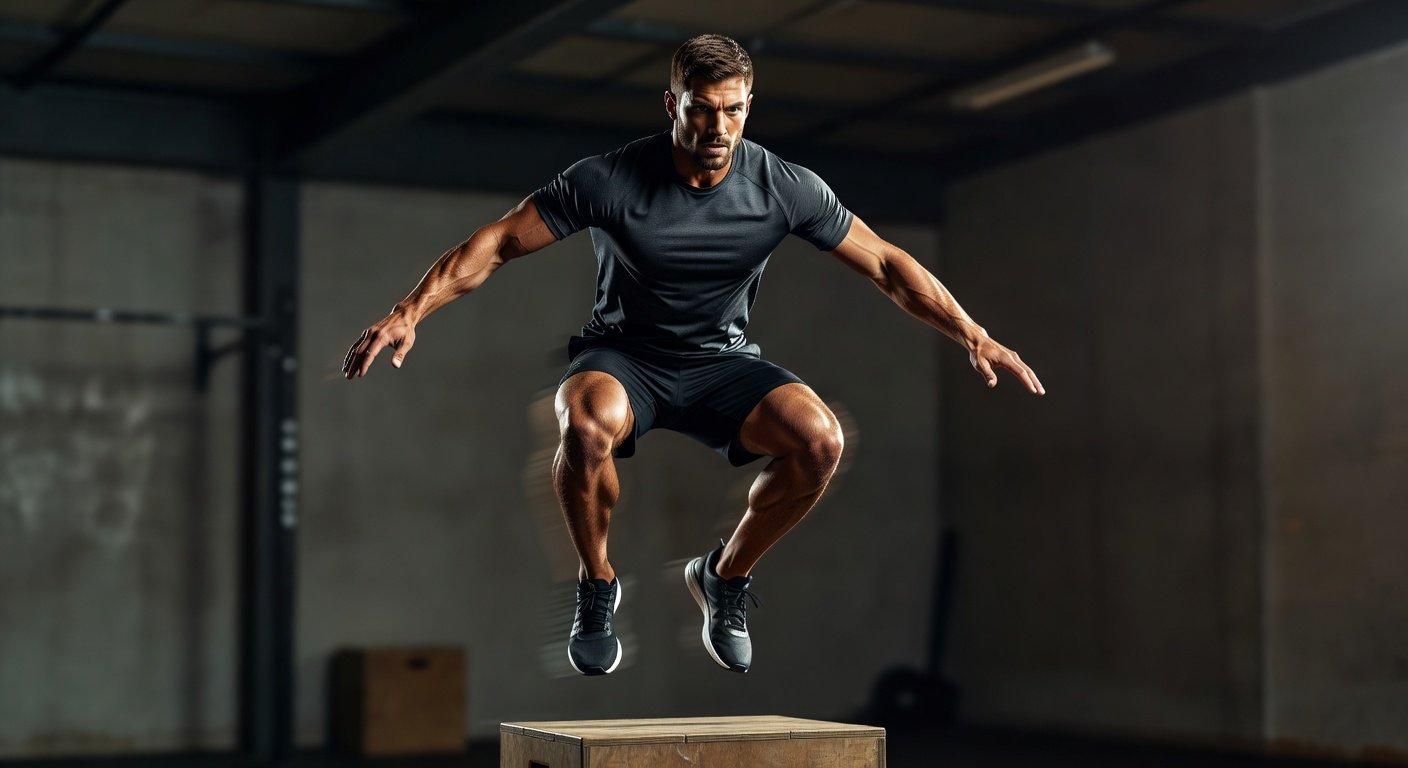
Athletic training principles prioritize how quickly you can generate force, not just how much force you can produce. Rate of force development (RFD) determines explosive performance in virtually every athletic endeavor, from jumping and sprinting to changing direction and throwing. Traditional strength training focuses on moving maximum loads at relatively slow speeds, while athletic body training emphasizes moving moderate loads at maximum velocity.
Power development requires specific training methods including plyometrics, Olympic lift variations, and speed-strength exercises performed with intent to move fast. The key lies in maintaining perfect technique while maximizing movement velocity. Athletes typically dedicate 20-30% of their training time to power development, using exercises like jump squats, medicine ball throws, and explosive push-ups. This training creates the fast-twitch muscle fiber development and neuromuscular efficiency that gives athletes their distinctive lean, powerful appearance.
Implementing Power Training Safely
Power training demands pristine movement quality and adequate recovery between sessions. Begin each power training session when you’re neurologically fresh, typically early in your workout after a thorough warm-up. Focus on quality over quantity, performing 3-6 repetitions per set with complete recovery between efforts. Progressive overload in power training comes through increased velocity, complexity, or load, not simply adding more repetitions or training volume.
Principle 3: Mobility and Movement Quality
Athletes understand that strength without mobility creates dysfunction, while mobility without stability creates injury risk. Athletic training principles integrate mobility work throughout the training process, not just as an afterthought or separate session. This approach ensures that strength gains occur through full ranges of motion while maintaining optimal joint mechanics. Functional fitness depends on the ability to access and control movement through complete ranges of motion under load.
Effective mobility training for athletic physiques focuses on dynamic movements that prepare the body for training demands while addressing common restriction patterns. This includes hip flexor and thoracic spine mobility for overhead athletes, ankle and hip mobility for lower body power, and shoulder and thoracic mobility for rotational sports. The goal isn’t just flexibility, but the ability to actively control and stabilize joints throughout their full range of motion. This creates the movement quality that allows athletes to train harder, recover faster, and maintain their training consistency over time.
Daily Mobility Protocols
Successful athletic body training requires daily mobility work, not just pre-workout stretching. Implement morning movement routines that address overnight stiffness, pre-training dynamic warm-ups that prepare specific movement patterns, and post-training protocols that maintain ranges of motion gained during the session. This consistent approach prevents the accumulation of movement restrictions that limit training progress and increase injury risk.
Principle 4: Sport-Specific Energy System Development
Athletic physiques reflect the energy system demands of their respective sports, and recreational athletes can apply these same principles to develop lean, powerful bodies. Instead of generic cardio, athletic training principles emphasize conditioning methods that match the work-to-rest ratios and movement patterns of athletic performance. This approach develops the metabolic efficiency and body composition characteristics of elite athletes.
Energy system development for athletic body training typically involves high-intensity interval protocols, circuit training with compound movements, and conditioning sessions that integrate strength and cardiovascular demands. Sprint intervals develop the phosphocreatine system while building lower body power. Circuit training with kettlebells or bodyweight exercises targets the glycolytic system while maintaining strength. Longer interval work develops aerobic capacity without the muscle-wasting effects of excessive steady-state cardio. This varied approach creates the lean, muscular physiques characteristic of multi-sport athletes.
Periodizing Energy System Work
Effective conditioning follows the same periodization principles as strength training, with phases emphasizing different energy systems based on training goals and recovery capacity. Base phases might emphasize aerobic development through longer intervals and circuit training. Power phases focus on alactic capacity through short, high-intensity efforts with complete recovery. Competition phases maintain fitness while allowing for peak performance and recovery. This systematic approach prevents overtraining while ensuring continuous adaptation.
Principle 5: Periodization and Progressive Overload
Athletic training principles recognize that adaptation requires systematic variation in training stress over time. Periodization prevents plateaus, reduces injury risk, and ensures peak performance when it matters most. Unlike linear progression models common in recreational training, athletic periodization involves planned variations in volume, intensity, and exercise selection based on competitive schedules and recovery capacity.
Effective periodization for athletic body training typically follows undulating patterns with high-intensity weeks followed by recovery periods, seasonal variations that emphasize different training qualities, and long-term progressions that build toward specific performance goals. This might involve strength phases with lower repetitions and higher loads, power phases emphasizing explosive movements, and conditioning phases that develop specific energy systems. The key lies in planning these variations systematically rather than changing programs randomly when progress stalls.
Implementing Periodization Principles
Successful periodization requires honest assessment of your current fitness level, clear definition of training goals, and realistic timelines for achieving them. Start with 4-6 week training blocks that emphasize specific adaptations, incorporate planned deload weeks every 3-4 weeks, and track key performance indicators that reflect your training goals. This systematic approach ensures continuous progress while maintaining the training consistency essential for developing athletic physiques.
Building Your Athletic Training Philosophy
Adopting athletic training principles requires a fundamental shift in how you approach fitness. Instead of asking ‘What muscles does this exercise work?’ start asking ‘What movement patterns does this develop?’ Instead of focusing solely on how much weight you can lift, consider how quickly and efficiently you can move that weight. This philosophical shift transforms your training from a collection of exercises into a systematic approach to athletic development.
The most successful recreational athletes understand that looking athletic requires training like an athlete, not just following athletic workout routines. This means prioritizing movement quality over training volume, emphasizing functional strength over isolated muscle development, and viewing conditioning as skill development rather than punishment for poor nutrition. When you adopt these principles consistently, your body will naturally develop the lean, powerful characteristics of elite athletes while improving your capacity for real-world physical challenges.
Frequently Asked Questions
What does an athletic body look like?
An athletic physique features lean muscle mass with functional proportions, broad shoulders from pulling and pressing movements, powerful glutes and legs from jumping and sprinting, and a strong core from rotational training. Athletic bodies appear dense and compact rather than bulky, with muscle development that follows function over pure aesthetics.
How do athletes train differently than bodybuilders?
Athletes emphasize multi-planar movements, power development, and functional strength patterns that transfer to performance. They train movement patterns rather than individual muscles, incorporate explosive exercises, and periodize their training around competitive schedules. Bodybuilders focus more on muscle isolation, higher training volumes per muscle group, and aesthetic symmetry.
What is functional fitness?
Functional fitness develops strength, mobility, and conditioning that transfers to real-world activities and athletic performance. It emphasizes multi-joint movements, three-dimensional training, and exercises that improve your capacity for daily activities rather than just gym performance. Functional training builds bodies that move as well as they look.
Can you look athletic without playing sports?
Yes, by applying athletic training principles including multi-planar movement, power development, mobility work, varied conditioning, and periodization. The key is training movement patterns and energy systems that athletes use, not just copying their specific exercises. Focus on functional strength and explosive power development.
What body fat percentage do athletes have?
Most male athletes maintain body fat percentages between 6-15% depending on their sport, with endurance athletes typically leaner and power athletes carrying slightly more muscle mass. The exact percentage matters less than the combination of lean muscle mass, functional strength, and movement quality that creates the athletic appearance.
Ready to Transform Your Training Approach?
Building an athletic physique requires more than just following workout routines—it demands a complete shift in training philosophy. Our fitness experts can help you implement these athletic training principles systematically, creating a personalized program that develops the lean, powerful body you want while improving your real-world performance. Contact us today to start your transformation from gym-goer to athlete.


