


The Great Fast Food Face-Off: Burger vs Fried Chicken Calories
When hunger strikes and you’re staring at a fast food menu, the eternal question emerges: burger or fried chicken? Both options sit there, equally tempting and equally guilt-inducing. The truth about burger vs fried chicken calories might surprise you. A typical fast food burger clocks in around 540-750 calories, while a piece of fried chicken breast contains approximately 320-400 calories. However, this comparison gets complicated quickly when you factor in sides, sauces, and preparation methods. The calorie count alone doesn’t tell the complete nutritional story, and making the healthier choice requires examining the bigger picture of what you’re actually putting into your body.
Fast food nutrition isn’t just about calories—it’s about understanding how different cooking methods, ingredients, and portion sizes impact your health goals. A grilled chicken breast contains roughly 185 calories and 35 grams of protein, while the same piece fried jumps to 320 calories with added fats from the breading and oil. Meanwhile, that seemingly innocent burger patty might pack 250 calories before you even add the bun, cheese, and condiments. The key lies in understanding these nutritional differences and making informed decisions that align with your fitness and health objectives, rather than simply choosing based on taste preferences or convenience.
Breaking Down the Nutritional Numbers
Let’s examine the hard data behind this healthier fast food debate. A standard McDonald’s Quarter Pounder with Cheese contains 520 calories, 26 grams of fat, 40 grams of carbohydrates, and 25 grams of protein. Compare this to KFC’s Original Recipe chicken breast, which delivers 320 calories, 19 grams of fat, 8 grams of carbohydrates, and 29 grams of protein. The chicken appears to win on several fronts: fewer calories, more protein per calorie, and significantly fewer carbs. However, the sodium content tells a different story—that chicken breast packs 540mg of sodium compared to the burger’s 1040mg, making the chicken the clear winner in the sodium department as well.
When we expand this fast food nutrition comparison to include popular menu items across major chains, patterns emerge. Wendy’s Dave’s Single burger contains 570 calories and 34 grams of fat, while Chick-fil-A’s original chicken sandwich has 440 calories and 19 grams of fat. The protein content remains relatively similar—around 25-30 grams for both options—but the calorie and fat differences become more pronounced. These numbers shift dramatically when you consider preparation methods: grilled chicken consistently outperforms fried options, while turkey or plant-based burger patties can significantly reduce the calorie and fat content compared to traditional beef patties.

Hidden Calories in Condiments and Add-Ons
The burger or chicken healthier debate becomes murkier when you factor in the extras that make fast food irresistible. A single tablespoon of mayonnaise adds 90 calories and 10 grams of fat to your meal, while ketchup contributes 15 calories per tablespoon—seemingly innocent until you realize most people use 3-4 tablespoons per meal. Cheese slices add another 70-100 calories, bacon strips contribute 40-50 calories each, and that crispy fried onion topping can pack an additional 130 calories. These additions can easily transform a 320-calorie piece of fried chicken into a 600-calorie meal, or push a 520-calorie burger past the 800-calorie mark before you even consider sides.
How Cooking Methods Change Everything
The preparation method fundamentally alters the nutritional profile of both burgers and chicken, making this aspect crucial in determining which option qualifies as healthier fast food. Grilled chicken breast contains approximately 185 calories and 4 grams of fat, while the same piece of chicken fried in oil jumps to 320 calories and 19 grams of fat. The breading process adds refined carbohydrates and creates a vehicle for oil absorption, significantly increasing both calorie density and inflammatory potential. Similarly, a grilled burger patty made from 90% lean ground beef contains about 200 calories and 11 grams of fat, compared to a regular beef patty with 250 calories and 17 grams of fat.
The cooking oil used in frying operations presents another layer of nutritional complexity. Most fast food chains use partially hydrogenated oils or oils high in omega-6 fatty acids, which can promote inflammation when consumed regularly. Grilling, while not perfect due to potential formation of harmful compounds at high temperatures, generally requires less added fat and preserves more of the original protein structure. Air frying has emerged as a middle ground, reducing oil content by up to 75% compared to traditional deep frying while maintaining the crispy texture that makes fried foods appealing. Understanding these preparation differences helps explain why the same protein source can have vastly different nutritional implications.
The Protein Quality Factor
Both chicken and beef provide complete proteins containing all essential amino acids, but their amino acid profiles differ slightly. Chicken breast offers a higher protein-to-calorie ratio, delivering about 0.23 grams of protein per calorie compared to ground beef’s 0.18 grams per calorie. This difference becomes significant for individuals focused on muscle building or weight management, as protein requires more energy to digest and metabolize than fats or carbohydrates. Additionally, chicken generally contains higher levels of niacin (vitamin B3) and selenium, while beef provides more iron, zinc, and vitamin B12. These micronutrient differences, while subtle, can influence your choice depending on your specific nutritional needs and dietary restrictions.
Sodium: The Silent Health Saboteur
Sodium content represents one of the most significant health concerns in the burger vs fried chicken calories debate, often overshadowing calorie considerations entirely. Fast food chicken preparations typically contain 400-800mg of sodium per serving, while burgers range from 800-1200mg, with some specialty burgers exceeding 1500mg—nearly the entire recommended daily intake of 2300mg. The high sodium content stems from multiple sources: seasoning blends, marinades, processed cheese, pickles, and preservative-laden buns. This excessive sodium intake contributes to water retention, elevated blood pressure, and increased strain on cardiovascular and kidney systems, making it a critical factor in determining which option qualifies as healthier fast food.
The sodium impact extends beyond immediate health concerns, affecting how your body processes and stores nutrients from these meals. High sodium intake can interfere with calcium absorption, contribute to bone density loss over time, and mask natural hunger and satiety signals. When comparing fast food nutrition options, consider that a single high-sodium meal can influence your blood pressure for 24-48 hours, while regular consumption of high-sodium foods can lead to chronic hypertension. This makes the lower-sodium chicken options significantly more appealing from a long-term health perspective, even when calorie counts appear similar between burger and chicken choices.
Reading Between the Menu Lines
Fast food chains have become increasingly transparent about nutritional information, but understanding how to interpret these numbers requires some nutritional literacy. Pay attention to serving sizes—that 320-calorie chicken breast might seem reasonable until you realize it’s smaller than the 4-6 ounce portions you’d prepare at home. Similarly, burger calorie counts often exclude popular additions like fries or onion rings, which can double the meal’s total caloric impact. Look for menu items marked as grilled rather than crispy, breaded, or fried, and consider requesting modifications like holding the mayo or choosing mustard over creamy sauces to reduce both calories and sodium content.
Smart Ordering Strategies for Either Choice
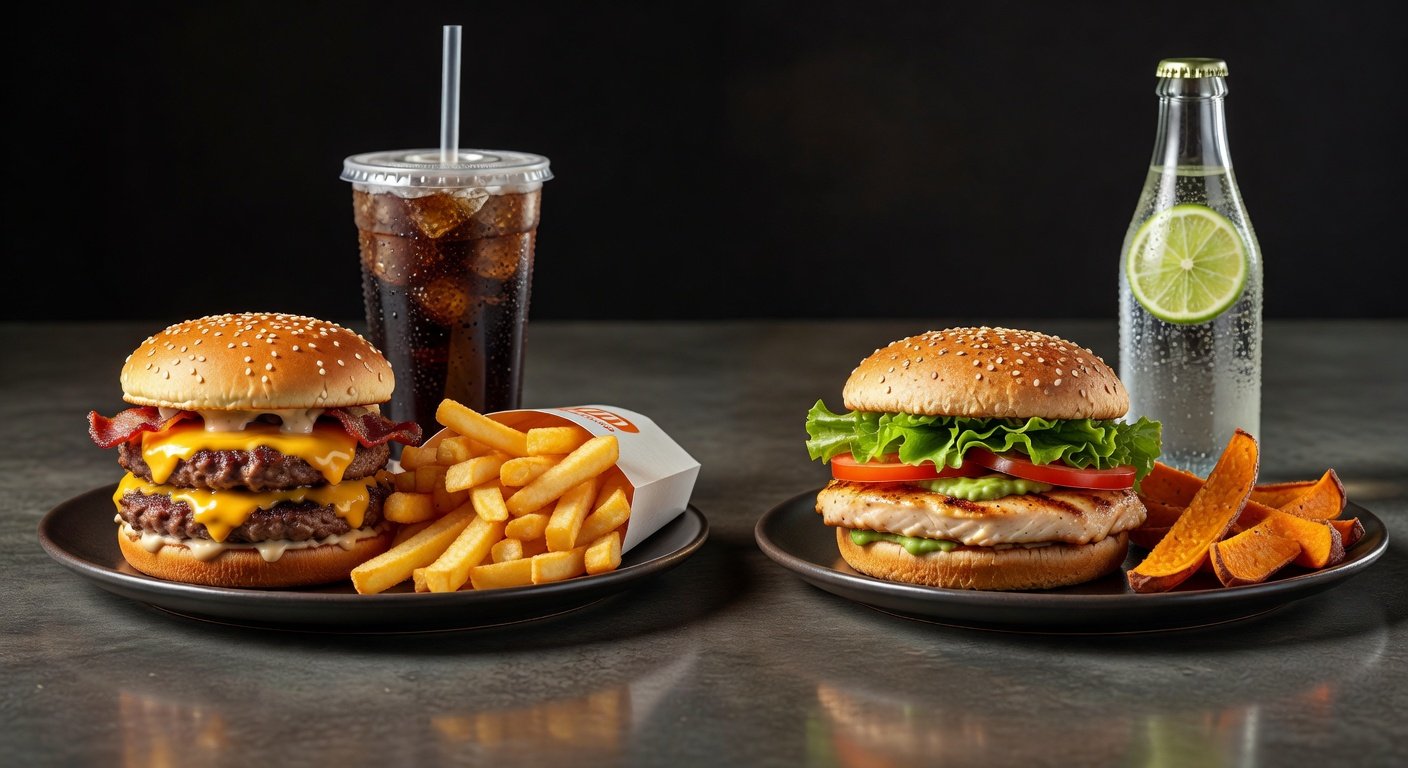
Making either burgers or chicken healthier when ordering out requires strategic thinking about modifications and combinations. For burgers, request a lettuce wrap instead of a bun to eliminate 150-200 calories and 30-40 grams of refined carbohydrates. Choose mustard, hot sauce, or salsa over mayonnaise-based condiments to save 80-120 calories per tablespoon. Opt for a single patty instead of double or triple options, and consider turkey or plant-based alternatives when available. Load up on vegetables like tomatoes, onions, and lettuce to add fiber and nutrients without significant caloric impact. These modifications can transform a 750-calorie burger into a 400-500 calorie meal while maintaining satisfaction and flavor.
For chicken orders, always choose grilled over fried when possible, saving 100-150 calories and reducing inflammatory oil intake. Remove the skin from fried chicken pieces to eliminate approximately 50-80 calories and 6-8 grams of fat per piece. Request sauces on the side to control portions—most fast food chains provide 2-3 times more sauce than necessary, adding unnecessary calories and sodium. Consider ordering a grilled chicken salad instead of a sandwich, using vinaigrette dressing sparingly, and adding extra vegetables for volume and nutrients. These strategies help maximize the protein benefits of chicken while minimizing the processed food drawbacks common in fast food preparation.
Timing Your Fast Food Choices
When you eat fast food matters almost as much as what you choose, particularly for active individuals managing their fitness goals. Consuming higher-calorie options like burgers immediately after intense workouts can help replenish glycogen stores and support muscle recovery, making the carbohydrates from buns potentially beneficial rather than detrimental. Conversely, choosing grilled chicken options during sedentary periods provides protein without excess calories that might be stored as fat. Consider your activity level, workout timing, and overall daily caloric needs when deciding between burger vs fried chicken calories to optimize both satisfaction and health outcomes.
The Bigger Picture: Context Matters
The burger or chicken healthier question ultimately depends on your individual health goals, dietary restrictions, and overall eating patterns. For someone following a ketogenic diet, a bunless burger with extra cheese might align better with their macronutrient targets than grilled chicken with a side of fries. Athletes requiring higher caloric intake might benefit from the energy density of a well-constructed burger, while individuals focused on weight loss might prefer the protein efficiency of grilled chicken. The key lies in understanding how these choices fit into your broader nutritional framework rather than viewing them as isolated decisions.
Frequency of consumption plays a crucial role in determining the health impact of either choice. Occasional fast food consumption—once or twice per month—has minimal impact on overall health when balanced with a diet rich in whole foods, vegetables, and adequate hydration. However, regular fast food consumption, regardless of whether you choose burgers or chicken, can contribute to nutrient deficiencies, chronic inflammation, and metabolic dysfunction. Focus on making the best choice available in the moment while working to reduce overall reliance on processed foods. This balanced approach allows for flexibility and enjoyment while maintaining long-term health priorities.
Frequently Asked Questions
Is a chicken sandwich healthier than a burger?
A grilled chicken sandwich is typically healthier than a beef burger, containing fewer calories (around 440 vs 570), less fat, and more protein per calorie. However, fried chicken sandwiches can be comparable to or worse than burgers in terms of calories and fat content.
How many calories in a typical fast food burger?
Most fast food burgers contain 520-750 calories, depending on size and toppings. A basic hamburger has around 540 calories, while specialty burgers with multiple patties, cheese, and sauces can exceed 1000 calories.
Is grilled chicken always healthier than fried?
Yes, grilled chicken consistently contains fewer calories (185 vs 320 per breast), less fat (4g vs 19g), and no added breading or oil. Grilled preparation preserves more nutrients and eliminates inflammatory oils used in frying.
What is the healthiest fast food option?
Grilled chicken breast without breading or heavy sauces typically offers the best nutrition profile, providing high-quality protein with minimal calories, fat, and sodium compared to other fast food options.
Does the bun make a burger unhealthy?
Burger buns add 150-200 calories and 30-40 grams of refined carbohydrates with minimal nutritional value. While not inherently unhealthy, the bun significantly increases the caloric density without adding protein or essential nutrients.
Ready to Optimize Your Nutrition Strategy?
Making informed food choices is just one piece of the health and fitness puzzle. Whether you’re trying to build muscle, lose weight, or simply feel better, understanding nutrition fundamentals can transform your results. Connect with our nutrition experts to develop a personalized eating plan that fits your lifestyle and goals, including strategies for navigating fast food situations without derailing your progress.


