


Why Most Healthy Salad Dressing Options Fall Short
The quest for healthy salad dressing often leads to disappointment. You grab that bottle labeled ‘light’ or ‘fat-free’ expecting nutritional virtue, only to find yourself drowning lettuce in flavorless liquid that tastes like regret. The truth is, most commercial dressings marketed as healthy are nutritional wolves in sheep’s clothing, packed with hidden sugars, inflammatory oils, and sodium levels that would make your blood pressure monitor weep. The average ‘light’ ranch contains more sugar per serving than a chocolate chip cookie, while that innocent-looking balsamic glaze packs enough high fructose corn syrup to rival a candy bar.
The real tragedy isn’t just the deception—it’s that genuinely healthy salad dressing can be both nutritious and delicious. The problem lies in understanding what actually makes a dressing healthy versus what marketing departments want you to believe. Clean salad dressing isn’t about removing all fats or flavor; it’s about choosing the right ingredients that support your health goals while making your vegetables irresistible. When you know what to look for and what to avoid, you can transform your salad game from bland obligation to genuinely satisfying nutrition that you actually crave.
The Hidden Villains in Your Healthy Salad Dressing
Soybean oil lurks in nearly every commercial dressing, masquerading as a neutral ingredient while delivering a payload of inflammatory omega-6 fatty acids. This highly processed oil undergoes chemical extraction and deodorization processes that strip away any nutritional value while creating compounds that promote inflammation in your body. Most Americans already consume omega-6 fatty acids at ratios of 20:1 compared to beneficial omega-3s, when the ideal ratio should be closer to 4:1. Every tablespoon of conventional dressing pushes this ratio further into dangerous territory, contributing to chronic inflammation that underlies everything from joint pain to cardiovascular disease.
Sugar hides behind dozens of aliases in dressing ingredient lists, from high fructose corn syrup to ‘natural’ options like agave nectar and fruit juice concentrates. A single serving of many popular dressings contains 3-6 grams of added sugar—that’s up to 1.5 teaspoons of sugar on what should be your healthiest meal. These sugars spike insulin levels, promote fat storage, and create addictive taste patterns that make you crave more processed foods. Even worse, they’re often paired with artificial flavors and preservatives that further distance your taste buds from recognizing real, whole food flavors.
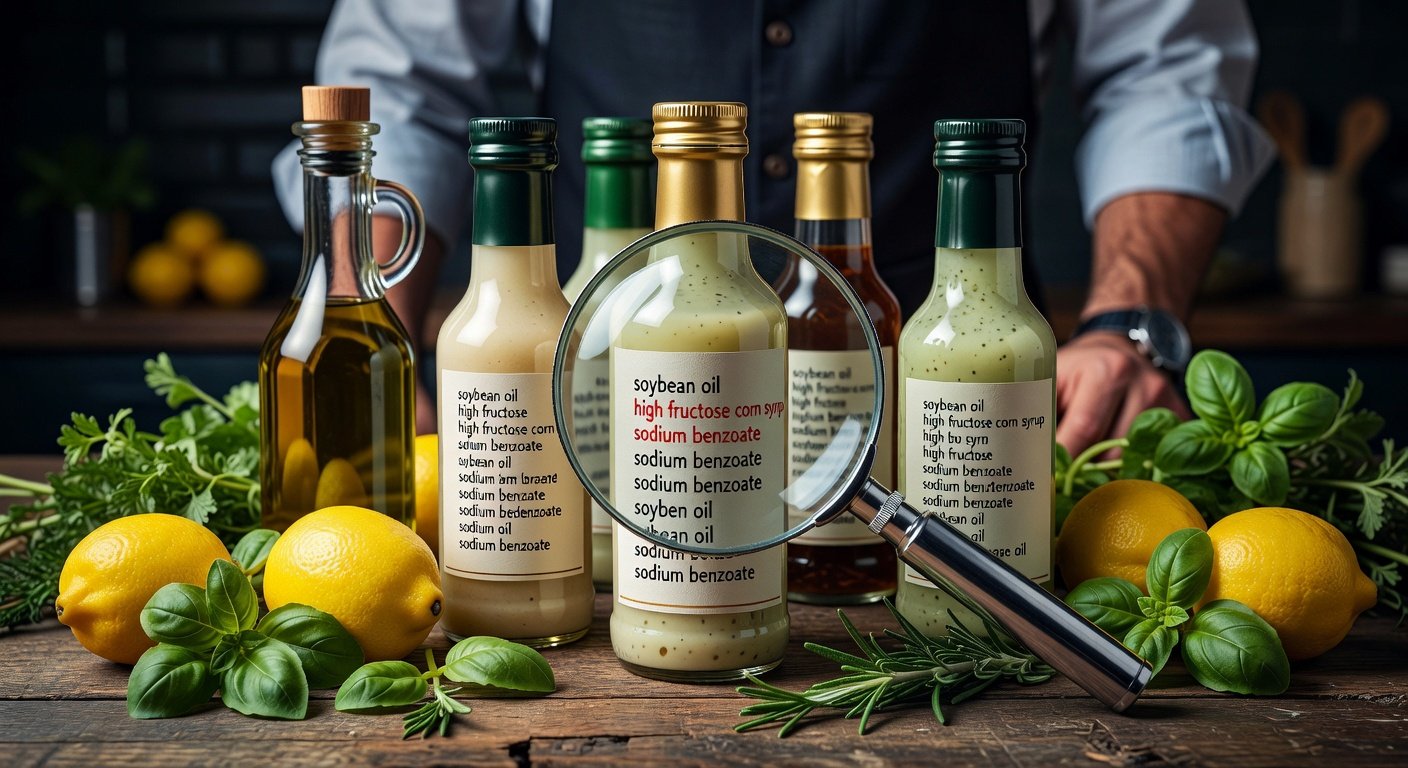
Sodium Overload in Low Calorie Salad Dressing
Low calorie salad dressing manufacturers compensate for removed fats and natural flavors by cranking up sodium content to astronomical levels. A typical serving of ‘light’ dressing can contain 200-400mg of sodium—that’s up to 17% of your daily limit in just two tablespoons. This sodium doesn’t just come from table salt; it arrives via a cocktail of preservatives, flavor enhancers, and stabilizers like sodium benzoate, disodium phosphate, and monosodium glutamate. Your kidneys weren’t designed to process this chemical soup, and the resulting water retention, blood pressure elevation, and mineral imbalances can sabotage your health goals faster than the calories you’re trying to save.
Building Blocks of the Healthiest Dressings
Extra virgin olive oil stands as the gold standard for healthy salad dressing bases, delivering monounsaturated fats that actually improve nutrient absorption from your vegetables. The polyphenols in quality olive oil provide antioxidant protection while supporting cardiovascular health and reducing inflammation markers. Unlike processed oils, extra virgin olive oil retains its natural vitamin E content and beneficial plant compounds that work synergistically with the nutrients in your salad greens. The key is choosing cold-pressed, unfiltered varieties that haven’t been stripped of their nutritional value through industrial processing methods.
Avocado oil emerges as another powerhouse base, offering an even higher smoke point than olive oil along with a neutral flavor that won’t compete with delicate salad ingredients. Rich in oleic acid and lutein, avocado oil supports eye health while providing the healthy fats necessary for absorbing fat-soluble vitamins A, D, E, and K from your vegetables. Tahini, made from ground sesame seeds, brings both healthy fats and plant-based protein to dressings while contributing a creamy texture without dairy. These whole food fats satisfy hunger, stabilize blood sugar, and provide the building blocks your body needs for hormone production and cellular repair.
Citrus and Vinegar: Natural Flavor Enhancers
Fresh lemon juice, lime juice, and quality vinegars provide the acidic component that makes dressings sing while delivering genuine health benefits. Apple cider vinegar contains acetic acid that can help regulate blood sugar responses and support digestive health, while red wine vinegar provides resveratrol and other polyphenols with antioxidant properties. Citrus juices contribute vitamin C and bioflavonoids that enhance iron absorption from leafy greens while supporting immune function. The natural acidity also helps break down tough vegetable fibers, making nutrients more bioavailable and improving the overall digestibility of your salad.
Simple DIY Healthy Salad Dressing Recipes That Work
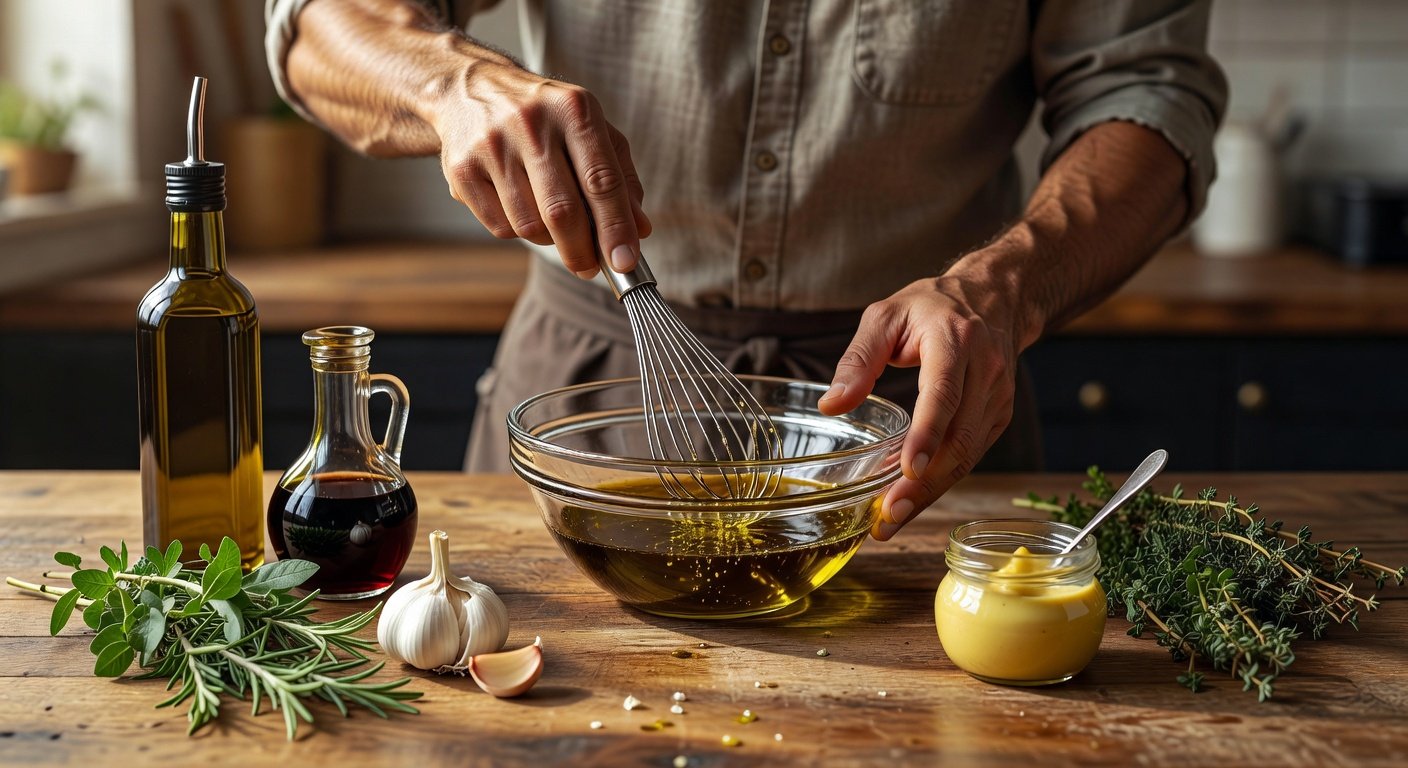
The Mediterranean Classic combines 3 tablespoons extra virgin olive oil with 1 tablespoon red wine vinegar, 1 teaspoon Dijon mustard, 1 minced garlic clove, and a pinch each of dried oregano and sea salt. This combination provides approximately 120 calories per serving with 14 grams of healthy monounsaturated fats, zero added sugars, and less than 100mg of sodium. The mustard acts as a natural emulsifier while contributing beneficial compounds like selenium and turmeric-related antioxidants. Garlic brings allicin and other sulfur compounds that support cardiovascular health and immune function, while oregano provides antimicrobial properties and additional antioxidants.
The Tahini Goddess dressing blends 2 tablespoons tahini with 2 tablespoons fresh lemon juice, 1 tablespoon olive oil, 1 teaspoon maple syrup, 1 minced garlic clove, and 2-3 tablespoons water to achieve desired consistency. This protein-rich option delivers 4 grams of plant-based protein per serving along with healthy fats, calcium, and magnesium from the sesame seeds. The natural sweetness from pure maple syrup provides trace minerals while keeping total sugar content under 3 grams per serving. This dressing works particularly well with kale and other sturdy greens, as the slight alkalinity helps neutralize bitter compounds while the creamy texture makes raw vegetables more appealing.
Green Goddess and Asian-Inspired Options
The Herb-Packed Green Goddess combines 1/2 avocado, 1/4 cup fresh herbs (basil, parsley, cilantro), 2 tablespoons olive oil, 1 tablespoon lime juice, 1 teaspoon apple cider vinegar, and sea salt to taste. Blend until smooth for a creamy, nutrient-dense dressing that provides healthy fats, fiber, folate, and potassium while keeping calories around 80 per serving. The fresh herbs contribute volatile oils and antioxidants that support detoxification pathways, while the avocado provides glutathione, a master antioxidant that protects cells from oxidative stress. This dressing stays fresh for up to three days refrigerated and pairs beautifully with both delicate greens and heartier vegetables like roasted sweet potatoes or grilled zucchini.
Macro Comparison Framework for Low Sodium Dressing
Understanding the macronutrient profile of your dressing choices helps optimize both taste and nutrition goals. A quality homemade vinaigrette typically provides 80-120 calories per 2-tablespoon serving, with 8-14 grams of healthy fats, 0-3 grams of natural sugars, and minimal protein. Compare this to commercial ‘light’ dressings that often contain 45-60 calories but derive most of those calories from added sugars and provide virtually no beneficial nutrients. The fat content in homemade dressings isn’t a bug—it’s a feature that helps you absorb fat-soluble vitamins and feel satisfied after eating.
Sodium content becomes the real differentiator when evaluating low sodium dressing options. Homemade versions typically contain 50-150mg of sodium per serving when you control the salt content, compared to 200-400mg in commercial varieties. This difference becomes significant when you consider that most people use more than the suggested serving size, and sodium intake affects everything from blood pressure to bone health. Protein content varies dramatically based on ingredients, with tahini-based dressings providing 3-5 grams per serving while oil-and-vinegar combinations offer minimal protein. The key is matching your dressing choice to your overall daily macro targets while prioritizing nutrient density over calorie restriction.
Timing and Portion Considerations
The healthiest dressings require strategic portioning to maximize benefits without overwhelming your salad or your calorie goals. Two tablespoons represents the standard serving size, but this amount should coat 2-3 cups of leafy greens adequately when properly emulsified. Pre-workout salads benefit from slightly higher fat content to provide sustained energy, while post-workout options might emphasize protein-rich bases like tahini or Greek yogurt combined with healthy oils. The timing of your salad consumption also affects optimal dressing choices—lunch salads can handle more robust flavors and higher calorie dressings, while dinner options might focus on lighter, more digestible combinations that won’t interfere with sleep quality.
Storage and Preparation Strategies for Clean Salad Dressing
Proper storage extends the life and maintains the nutritional integrity of homemade dressings while preventing the growth of harmful bacteria. Oil-based dressings stay fresh for 5-7 days when stored in airtight glass containers in the refrigerator, while dairy-based options should be consumed within 3-4 days. Always store dressings in the coldest part of your refrigerator, typically the back of the main compartment, and avoid temperature fluctuations that can cause separation or spoilage. Glass containers prevent flavor absorption and chemical leaching that can occur with plastic storage, while wide-mouth jars make it easy to whisk or shake dressings before use.
Batch preparation saves time while ensuring you always have healthy options available when hunger strikes. Prepare 2-3 different dressing varieties at the beginning of each week, focusing on complementary flavor profiles that work with your planned meals. Oil-and-vinegar combinations separate naturally and require shaking before each use, while emulsified dressings made with mustard or tahini maintain their consistency longer. Label each container with preparation date and ingredients to track freshness and avoid any potential allergen issues. Consider preparing dry spice blends separately and adding fresh herbs just before serving to maximize flavor impact and nutritional content.
Troubleshooting Common Issues
Separation, bitterness, and inconsistent texture plague many homemade dressing attempts, but simple techniques solve these problems reliably. Separation occurs when oil and water-based ingredients haven’t been properly emulsified—adding a teaspoon of Dijon mustard or tahini creates a stable emulsion that stays mixed longer. Bitterness often results from using too much raw garlic or low-quality olive oil; try roasting garlic beforehand or choosing milder oil varieties for sensitive palates. Thin consistency can be thickened with tahini, avocado, or even a small amount of soaked cashews blended until smooth. Too-thick dressings thin easily with warm water, additional citrus juice, or a splash of quality vinegar, added gradually while whisking to maintain proper consistency.
Frequently Asked Questions
What is the healthiest store-bought salad dressing?
Look for dressings with olive oil or avocado oil as the first ingredient, minimal added sugars (under 2g per serving), and sodium content below 150mg per serving. Avoid products containing soybean oil, high fructose corn syrup, or artificial preservatives. Read ingredient lists carefully as marketing claims don’t always reflect nutritional reality.
Is olive oil and vinegar the healthiest dressing?
Extra virgin olive oil and quality vinegar create one of the healthiest dressing combinations, providing beneficial monounsaturated fats, antioxidants, and minimal processing. This simple combination supports nutrient absorption, offers anti-inflammatory benefits, and contains no added sugars or artificial ingredients when made with quality ingredients.
How much sugar is in ranch dressing?
Traditional ranch dressing contains 1-2 grams of sugar per 2-tablespoon serving, while ‘light’ versions often contain 3-4 grams due to added sweeteners compensating for reduced fat content. The sugar comes from high fructose corn syrup, dextrose, or other added sweeteners rather than natural ingredients.
What makes a salad dressing unhealthy?
Unhealthy dressings typically contain inflammatory oils (soybean, canola), excessive added sugars, high sodium levels (over 200mg per serving), artificial preservatives, and chemical emulsifiers. These ingredients promote inflammation, spike blood sugar, and provide empty calories without beneficial nutrients.
Is balsamic vinaigrette actually healthy?
Traditional balsamic vinegar offers antioxidants and minimal calories, but many commercial balsamic vinaigrettes contain added sugars, low-quality oils, and preservatives. Homemade versions using quality balsamic vinegar and extra virgin olive oil provide genuine health benefits without unwanted additives.
Ready to Transform Your Salad Game?
Stop settling for bland, processed dressings that sabotage your health goals. Take control of your nutrition with simple, delicious homemade options that actually support your fitness journey. Our nutrition experts can help you develop a complete meal strategy that makes healthy eating sustainable and enjoyable. Contact us today to learn how proper nutrition planning can accelerate your results while satisfying your taste buds.


