


Why Protein-Per-Calorie Ratio Matters for Muscle Building
When building muscle while maintaining a lean physique, the protein-per-calorie ratio becomes your most valuable metric. The leanest meats provide maximum protein content with minimal fat and calories, allowing you to meet your daily protein requirements without exceeding your caloric needs. This approach proves especially crucial during cutting phases or when pursuing body recomposition goals. Traditional protein recommendations focus solely on grams per serving, but smart lifters examine how much protein they receive per calorie consumed. This strategy maximizes muscle protein synthesis while supporting fat loss or maintenance goals.
The science behind protein efficiency centers on thermic effect and satiety. High-protein, low-calorie foods require more energy to digest and metabolize, creating a metabolic advantage. Additionally, lean protein sources provide superior satiety per calorie compared to higher-fat alternatives. Research published in the American Journal of Clinical Nutrition demonstrates that protein-dense foods significantly reduce hunger hormones while increasing feelings of fullness. This biological response makes adherence to caloric targets more manageable, whether you’re cutting for competition or maintaining year-round leanness. The leanest meat proteins become powerful tools for body composition optimization.
Top-Ranked Leanest Meats by Protein-Per-Calorie Ratio
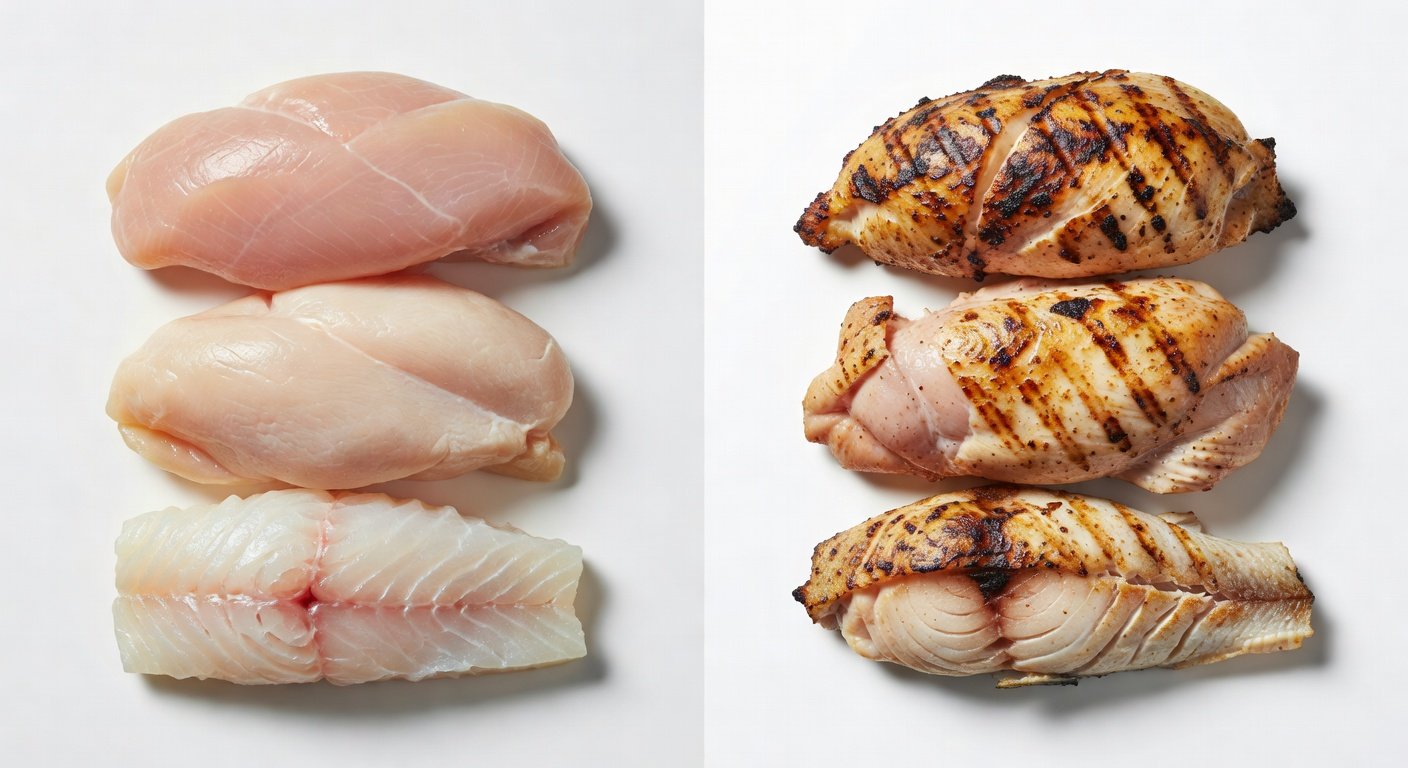
Chicken breast (skinless) claims the crown with an exceptional 0.23 grams of protein per calorie. A 4-ounce serving delivers 35 grams of protein for just 185 calories, making it the gold standard for lean protein sources. Turkey breast follows closely at 0.22 grams per calorie, providing 34 grams of protein in a 4-ounce portion containing 193 calories. These poultry options dominate the rankings due to their minimal fat content and dense protein structure. White fish varieties like cod and halibut achieve similar ratios, with cod providing 0.21 grams of protein per calorie through its 32 grams of protein in a 158-calorie serving.
Lean beef cuts occupy the next tier, with eye of round leading at 0.19 grams of protein per calorie. This cut provides 36 grams of protein in a 4-ounce serving totaling 193 calories. Top sirloin and bottom round follow at 0.18 grams per calorie, delivering substantial protein with moderate caloric density. Game meats like venison and bison excel in this category, offering 0.20 and 0.19 grams per calorie respectively. These wild proteins provide additional benefits through their grass-fed nutrition profiles and absence of added hormones. Elk and rabbit also rank highly, though availability limits their practical application for most lifters.
Fish and Seafood: Ocean-Based Lean Protein Champions
White fish varieties consistently rank among the leanest meat proteins available. Cod leads with 32 grams of protein and only 158 calories per 4-ounce serving, achieving a remarkable 0.20 grams of protein per calorie. Halibut matches this efficiency with 30 grams of protein in 158 calories, while flounder provides 30 grams in just 148 calories for an impressive 0.20 ratio. These fish offer complete amino acid profiles with virtually zero saturated fat, making them ideal for aggressive cutting phases. Their mild flavors accept various seasonings and cooking methods, providing versatility without compromising leanness. Mahi-mahi and tilapia also deliver excellent ratios at 0.19 and 0.18 grams per calorie respectively.
Poultry Powerhouses: Chicken and Turkey Variations
Beyond standard chicken breast, several poultry options provide exceptional protein efficiency. Turkey breast maintains its position as the second-leanest option, but ground turkey breast (99% lean) offers similar benefits with greater versatility. This ground option provides 34 grams of protein per 4-ounce serving with only 193 calories, matching whole turkey breast performance. Chicken tenderloin strips achieve nearly identical ratios to chicken breast while offering convenient portion sizes and faster cooking times. Duck breast, when skin is removed, provides 28 grams of protein in 201 calories, reaching 0.14 grams per calorie. While lower than chicken and turkey, duck offers unique flavor profiles and micronutrient density that justify occasional inclusion in rotation.
Lean Steak Cuts: Maximizing Beef Protein Efficiency
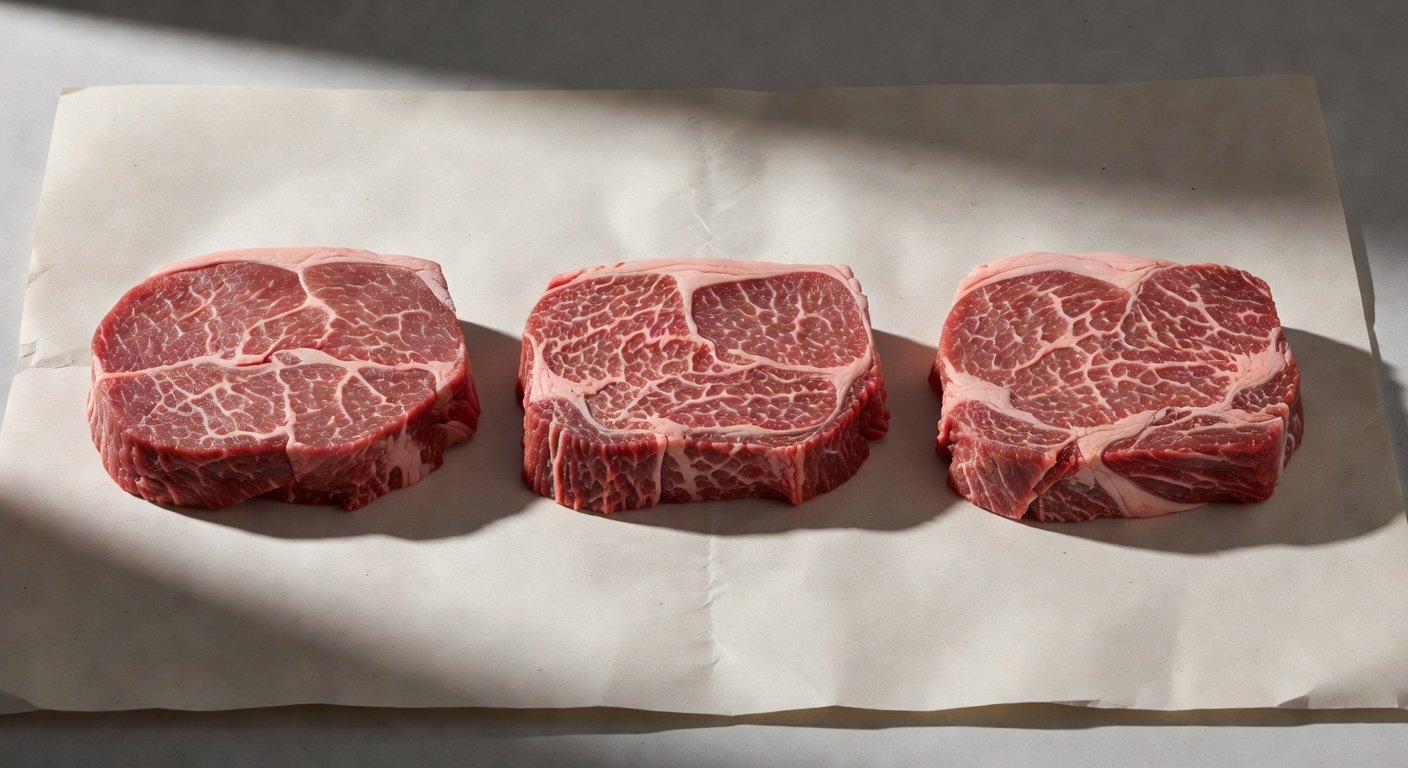
Eye of round stands as the leanest beef cut, providing 36 grams of protein in a 4-ounce serving with 193 calories total. This translates to 0.19 grams of protein per calorie, making it competitive with poultry options. The cut requires careful preparation due to its low fat content, but proper cooking techniques yield tender, flavorful results. Top sirloin offers similar efficiency at 0.18 grams per calorie, delivering 35 grams of protein in 207 calories. This cut provides more marbling than eye of round, resulting in improved flavor and texture while maintaining excellent protein density.
Bottom round and top round both achieve 0.17 grams of protein per calorie, providing 33-34 grams of protein per 4-ounce serving. These cuts respond well to marinating and slower cooking methods that break down connective tissue. Flank steak and skirt steak offer 0.16 grams per calorie while providing intense beef flavor that satisfies cravings during restrictive phases. London broil, typically cut from top round, maintains similar ratios while offering larger portion flexibility. These lean steak cuts require attention to cooking temperature and resting periods to prevent toughness, but reward careful preparation with superior protein delivery.
Preparation Techniques for Maximum Leanness
Proper trimming removes visible fat before cooking, further improving protein-to-calorie ratios. Use a sharp knife to remove silver skin and fat caps from lean cuts like eye of round and top sirloin. For ground meats, choose 93/7 or 96/4 lean-to-fat ratios when available. Cooking methods significantly impact final fat content through rendering and retention. Grilling, broiling, and roasting on racks allow fat to drain away from the meat, while pan-frying in minimal oil preserves leanness. Avoid butter, heavy marinades, or oil-based cooking methods that add unnecessary calories without protein benefits.
Game Meats: Wild Protein Alternatives
Venison delivers exceptional protein density at 0.20 grams per calorie, providing 34 grams of protein in a 4-ounce serving containing 179 calories. Wild deer meat contains virtually no saturated fat while offering complete amino acid profiles and high iron content. The lean nature of venison requires careful cooking to prevent drying, but rewards proper technique with rich, complex flavors. Bison provides 0.19 grams of protein per calorie through its 35 grams of protein in 188 calories per 4-ounce serving. This grass-fed red meat offers superior omega-3 fatty acid profiles compared to conventional beef while maintaining excellent protein efficiency.
Elk surpasses both venison and bison with 0.21 grams of protein per calorie, delivering 33 grams of protein in 164 calories. This makes elk one of the most efficient protein sources available, though limited availability restricts widespread adoption. Rabbit provides 0.20 grams per calorie with 33 grams of protein in 167 calories, offering a sustainable protein option with minimal environmental impact. Wild boar achieves 0.18 grams per calorie, matching lean beef cuts while providing unique flavor profiles. These game meats often cost more than conventional options but deliver superior nutrition density and ethical sourcing benefits.
Sourcing and Sustainability Considerations
Sustainable sourcing becomes increasingly important as protein consumption rises among fitness enthusiasts. Wild game meats offer the most sustainable option, requiring no agricultural inputs while supporting wildlife management programs. Farm-raised bison and elk operations typically employ grass-fed, free-range practices that minimize environmental impact. When selecting conventional meats, seek certifications like American Grassfed Association approval or Animal Welfare Approved labels. These standards indicate higher animal welfare practices and often correlate with improved nutrition profiles. Local farmers markets frequently offer direct access to sustainably raised lean proteins, supporting regional food systems while providing transparency about production methods.
Cooking Methods That Preserve Protein Density
Grilling remains the gold standard for lean meat preparation, allowing fat to render and drain while creating appealing flavors through Maillard reactions. Use medium-high heat and avoid pressing meats with spatulas, which forces out protein-rich juices. Broiling provides similar benefits in indoor settings, positioning lean cuts 4-6 inches from heat sources for even cooking. Both methods require careful timing to prevent overcooking, which denatures proteins and creates tough textures. Digital thermometers eliminate guesswork, with target temperatures of 145°F for beef and 165°F for poultry ensuring food safety without protein degradation.
Sous vide cooking offers precise temperature control that maximizes protein retention while achieving perfect doneness. This method allows lean cuts to cook in their own juices at exact temperatures for extended periods, breaking down connective tissue without protein loss. Steam cooking preserves water-soluble vitamins and minerals while requiring no added fats. Poaching in seasoned broths adds flavor without calories, particularly effective for fish and poultry. Avoid deep frying, which adds significant calories through oil absorption, and limit braising methods that may require added fats for browning phases.
Seasoning Strategies for Lean Proteins
Dry rubs maximize flavor without adding calories, combining herbs, spices, and salt to enhance natural meat flavors. Paprika, garlic powder, onion powder, and black pepper create robust profiles that satisfy taste preferences during caloric restriction. Acid-based marinades using vinegar, citrus juice, or wine tenderize lean cuts while adding minimal calories. These marinades break down tough fibers in cuts like eye of round and bottom round, improving texture without compromising protein density. Fresh herbs like rosemary, thyme, and oregano provide antioxidants and complex flavors that prevent meal monotony during extended cutting phases.
Meal Planning with the Leanest Meats
Successful implementation of lean protein sources requires strategic meal planning that prevents monotony while maximizing adherence. Rotate between the top-ranked options weekly, alternating chicken breast, turkey breast, white fish, and lean beef cuts to maintain interest. Batch cooking on weekends allows portion control and convenient meal assembly throughout the week. Cook proteins in large quantities using different seasoning profiles, then portion into meal-sized containers with measured weights. This approach guarantees accurate protein and calorie tracking while reducing daily preparation time.
Combine lean proteins with fibrous vegetables and complex carbohydrates to create balanced, satisfying meals. The high protein content of these lean sources promotes satiety, reducing between-meal cravings that derail caloric targets. Plan protein portions based on body weight and training goals, typically ranging from 0.8-1.2 grams per pound of body weight for muscle building phases. During cutting periods, increase protein to 1.2-1.6 grams per pound to preserve muscle mass while in caloric deficit. The superior protein-per-calorie ratios of these lean sources make higher protein targets achievable without excessive caloric intake.
Budget-Friendly Lean Protein Strategies
Chicken breast and turkey breast offer the best value among top-ranked lean proteins, frequently available at competitive prices through bulk purchasing. Buy whole chickens and break them down yourself, using breasts for lean protein while utilizing other parts for flavoring broths and stews. Frozen fish fillets provide year-round availability of lean seafood options at lower costs than fresh alternatives. Purchase larger, less expensive cuts like eye of round and top round, then slice against the grain for improved tenderness. Ground turkey breast (99% lean) costs less than whole turkey breast while maintaining identical protein efficiency, offering versatility for various recipes and meal prep applications.
Frequently Asked Questions
What is the leanest cut of steak?
Eye of round is the leanest cut of steak, providing 36 grams of protein with only 193 calories per 4-ounce serving. This translates to 0.19 grams of protein per calorie, making it highly efficient for muscle building while maintaining low body fat.
Is chicken or fish leaner than beef?
Chicken breast and white fish like cod are generally leaner than beef, providing 0.20-0.23 grams of protein per calorie compared to 0.17-0.19 for lean beef cuts. However, the leanest beef cuts like eye of round can compete closely with poultry and fish options.
How much protein is in 100g of chicken breast?
100 grams of skinless chicken breast contains approximately 31 grams of protein and 165 calories. This makes chicken breast one of the most protein-dense foods available, with a ratio of 0.19 grams of protein per calorie.
Is bison leaner than beef?
Yes, bison is leaner than most conventional beef cuts, providing 0.19 grams of protein per calorie compared to 0.15-0.17 for typical beef. Bison also offers superior omega-3 fatty acid profiles and is typically grass-fed without added hormones.
What is the healthiest red meat?
Game meats like venison and bison are considered the healthiest red meat options due to their lean profiles, high protein content, and grass-fed nutrition. These meats provide complete amino acids with minimal saturated fat and no added hormones or antibiotics.
Ready to Optimize Your Protein Strategy?
Building muscle while maintaining leanness requires precise nutrition planning and expert guidance. Our certified nutritionists can help you create a personalized meal plan that maximizes the protein efficiency of these lean meat sources while fitting your lifestyle and goals. Contact us today to develop a sustainable approach to muscle building nutrition that delivers real results.


