


Understanding the Two Types of Belly Fat
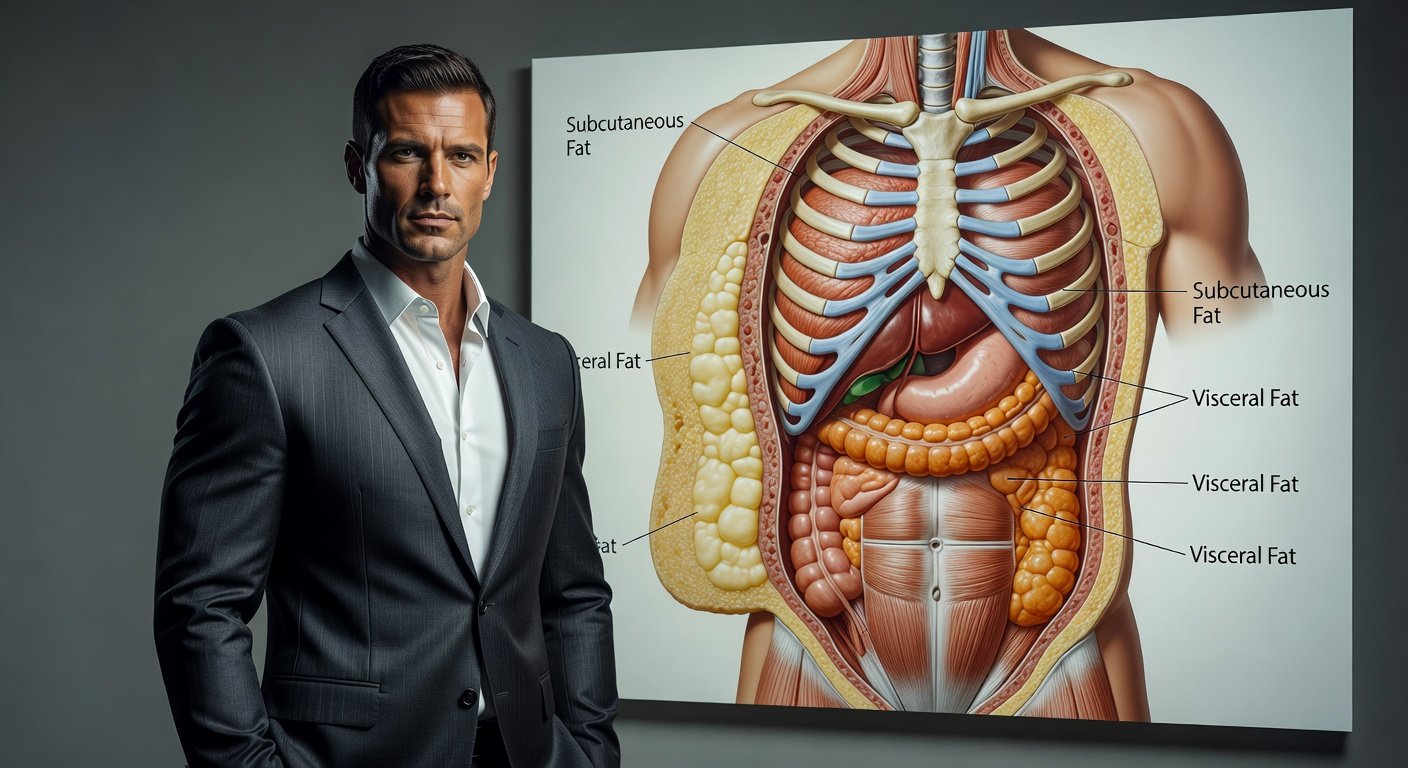
Before learning how to lose belly fat effectively, you need to understand what you’re actually fighting. Your midsection contains two distinct types of fat: subcutaneous fat and visceral fat. Subcutaneous fat sits directly under your skin and forms the layer you can pinch between your fingers. While this fat contributes to your appearance, it’s relatively harmless from a health perspective. Visceral fat, however, wraps around your internal organs deep within your abdominal cavity. This type of fat releases inflammatory compounds and hormones that can interfere with your body’s normal functions, increasing your risk of heart disease, type 2 diabetes, and metabolic syndrome.
The good news is that visceral fat responds more readily to lifestyle changes than subcutaneous fat. When you create a caloric deficit through proper nutrition and lifestyle modifications, your body preferentially burns visceral fat first. This means the strategies outlined in this guide will not only help you lose belly fat for aesthetic reasons but will also provide significant health benefits. Research published in the Journal of Clinical Investigation shows that visceral fat loss can improve insulin sensitivity within just two weeks of implementing consistent dietary changes, making it one of the most responsive fat deposits in your body.
The Spot Reduction Myth: Why Crunches Won’t Work
One of the biggest misconceptions about how to lose belly fat is the belief that targeted exercises like crunches and sit-ups will specifically burn fat from your midsection. This concept, known as spot reduction, has been thoroughly debunked by scientific research. A study published in the Journal of Strength and Conditioning Research followed participants who performed abdominal exercises for six weeks and found no significant reduction in abdominal fat compared to a control group. Your body doesn’t selectively burn fat from the area you’re exercising; instead, it draws energy from fat stores throughout your entire body based on genetics, hormones, and metabolic factors.
The most effective approach to reduce stomach fat involves creating a systematic caloric deficit through nutrition and lifestyle changes rather than focusing on specific exercises. While core strengthening exercises have their place in a comprehensive fitness program for improving posture and functional strength, they won’t directly burn belly fat. Instead, compound movements that engage multiple muscle groups and increase your overall metabolic rate will be far more effective for fat loss. This shift in understanding is crucial for developing realistic expectations and implementing strategies that actually work for long-term belly fat reduction.
Strategy 1: Create a Sustainable Caloric Deficit
The foundation of any successful belly fat loss program is creating a caloric deficit, meaning you consume fewer calories than your body burns each day. Research consistently shows that a moderate deficit of 300-500 calories per day leads to steady, sustainable fat loss of 1-2 pounds per week. To determine your baseline caloric needs, multiply your body weight by 12-15 (depending on your activity level) to estimate your maintenance calories, then subtract 300-500 from that number. For example, a 180-pound moderately active man would need approximately 2,700 calories for maintenance, making his fat loss target around 2,200-2,400 calories per day.
The key to maintaining this deficit long-term lies in making gradual, sustainable changes rather than dramatic restrictions. Focus on reducing portion sizes by 10-15%, eliminating liquid calories from sodas and alcohol, and replacing high-calorie processed foods with nutrient-dense whole foods. A study in the American Journal of Clinical Nutrition found that participants who made moderate caloric reductions maintained their weight loss for over two years, while those who implemented extreme restrictions regained the weight within six months. Consistency trumps perfection when it comes to creating lasting changes in body composition.
Tracking Your Progress Beyond the Scale
While maintaining a caloric deficit is essential for fat loss, the scale doesn’t tell the complete story of your progress. Body weight can fluctuate 2-5 pounds daily due to water retention, glycogen storage, and digestive contents, which can mask actual fat loss progress. Instead, focus on multiple metrics including waist circumference measurements, progress photos, and how your clothes fit. Measure your waist at the narrowest point, typically just above your hip bones, first thing in the morning before eating. A reduction of 1-2 inches per month indicates significant visceral fat loss, even if the scale isn’t moving as quickly as you’d like. Additionally, track your energy levels, sleep quality, and overall well-being as these improvements often precede visible changes in body composition.
Strategy 2: Prioritize Protein Intake
Protein plays a crucial role in belly fat reduction through multiple mechanisms. First, protein has the highest thermic effect of all macronutrients, meaning your body burns approximately 25-30% of protein calories during digestion and metabolism. This built-in calorie burn can significantly contribute to your daily deficit. Second, protein helps preserve lean muscle mass during weight loss, which maintains your metabolic rate and prevents the metabolic slowdown commonly associated with dieting. Research published in the American Journal of Clinical Nutrition shows that individuals consuming 25-30% of their calories from protein lost significantly more belly fat than those following lower-protein diets.
Aim for 0.8-1.2 grams of protein per pound of body weight daily, distributed across three to four meals. High-quality sources include lean meats, fish, eggs, dairy products, legumes, and protein supplements when whole food sources aren’t practical. A 180-pound man should target 144-216 grams of protein daily, which might include a three-egg omelet with Greek yogurt for breakfast (35g), grilled chicken breast with quinoa for lunch (40g), a protein shake post-workout (25g), and salmon with vegetables for dinner (35g). This distribution helps maintain steady amino acid levels throughout the day, supporting muscle protein synthesis and satiety.
The Satiety Factor of Protein
Beyond its metabolic benefits, protein significantly impacts hunger and satiety hormones, making it easier to maintain your caloric deficit. Protein consumption triggers the release of peptide YY and GLP-1, hormones that signal fullness to your brain, while simultaneously reducing levels of ghrelin, the hormone responsible for hunger. Studies show that increasing protein intake from 15% to 30% of total calories can reduce spontaneous calorie intake by up to 441 calories per day without conscious effort to restrict food. This natural appetite suppression makes adherence to your nutrition plan significantly easier, reducing the willpower required to stick with your belly fat loss goals over the long term.
Strategy 3: Increase Fiber Consumption
Dietary fiber, particularly soluble fiber, has been shown to specifically target visceral belly fat through multiple pathways. Soluble fiber forms a gel-like substance in your digestive tract that slows nutrient absorption, leading to more stable blood sugar levels and reduced insulin spikes. Lower insulin levels promote fat burning rather than fat storage, particularly in the abdominal region. A landmark study published in Obesity found that for every 10-gram increase in daily soluble fiber intake, participants experienced a 3.7% reduction in visceral fat over five years. This effect was independent of other dietary factors, highlighting fiber’s unique role in belly fat reduction.
Target 35-40 grams of total fiber daily, with at least 10-15 grams coming from soluble sources. Excellent soluble fiber sources include oats, beans, lentils, apples, citrus fruits, and vegetables like Brussels sprouts and broccoli. Start gradually to avoid digestive discomfort, adding 5 grams per week until you reach your target. A practical approach might include oatmeal with berries for breakfast (8g fiber), a large salad with mixed vegetables for lunch (10g), an apple with almond butter as a snack (4g), and a serving of black beans with dinner (8g). This combination provides approximately 30 grams of fiber while supporting stable blood sugar and enhanced satiety throughout the day.
Strategy 4: Manage Stress and Cortisol Levels
Chronic stress represents one of the most overlooked factors in belly fat accumulation, particularly visceral fat. When you experience stress, your adrenal glands release cortisol, a hormone that promotes fat storage specifically in the abdominal region. Elevated cortisol levels also increase appetite and cravings for high-calorie, processed foods while promoting the breakdown of muscle tissue. Research published in Psychoneuroendocrinology shows that individuals with consistently high cortisol levels carry significantly more visceral fat than those with normal cortisol patterns, even when controlling for diet and exercise factors.
Effective stress management techniques can significantly impact your ability to lose belly fat. Regular meditation, even just 10-15 minutes daily, has been shown to reduce cortisol levels by up to 23% within eight weeks. Deep breathing exercises, progressive muscle relaxation, and yoga also provide measurable stress reduction benefits. Additionally, maintaining consistent sleep schedules, limiting caffeine intake after 2 PM, and creating boundaries around work-related stress can help normalize your cortisol rhythm. Consider incorporating stress-reducing activities like nature walks, reading, or listening to calming music into your daily routine. The goal is to activate your parasympathetic nervous system regularly, counteracting the chronic fight-or-flight response that promotes belly fat storage.

The Sleep-Cortisol Connection
Sleep quality and duration directly influence cortisol production and belly fat accumulation. Poor sleep disrupts your natural cortisol rhythm, leading to elevated levels throughout the day rather than the normal pattern of high morning levels that gradually decrease. Studies show that individuals sleeping less than six hours per night have cortisol levels 50% higher than those getting 7-8 hours of quality sleep. This chronic elevation promotes visceral fat storage while simultaneously increasing appetite and reducing insulin sensitivity. Prioritizing 7-9 hours of quality sleep each night is therefore essential for optimizing your hormonal environment for belly fat loss. Create a consistent bedtime routine, keep your bedroom cool and dark, and avoid screens for at least one hour before sleep to support natural melatonin production.
Strategy 5: Limit Alcohol Consumption
Alcohol consumption significantly impacts belly fat accumulation through multiple mechanisms that go beyond simple calorie content. When you consume alcohol, your liver prioritizes metabolizing it over burning fat, effectively putting fat burning on hold for several hours. Additionally, alcohol provides 7 calories per gram (nearly as much as fat at 9 calories per gram) while offering zero nutritional value. These empty calories are particularly likely to be stored as visceral fat due to alcohol’s effect on hormone levels and metabolism. Research published in the European Journal of Clinical Nutrition found that men who consumed more than two drinks per day had significantly larger waist circumferences and higher levels of visceral fat compared to moderate drinkers or abstainers.
Beyond calorie content, alcohol disrupts several hormones crucial for fat burning and muscle maintenance. It suppresses testosterone production while increasing cortisol levels, creating a hormonal environment that promotes fat storage and muscle loss. Alcohol also interferes with sleep quality, reducing the deep sleep stages necessary for growth hormone release and recovery. If you choose to drink, limit consumption to 1-2 drinks per week, choose lower-calorie options like vodka with soda water, and avoid sugary mixers that compound the caloric impact. Consider alcohol-free alternatives like sparkling water with lime or herbal teas to satisfy social drinking habits without derailing your belly fat loss progress.
Strategy 6: Optimize Your Sleep Schedule
Quality sleep represents one of the most powerful tools for belly fat reduction, yet it’s often overlooked in favor of diet and exercise interventions. During deep sleep stages, your body releases growth hormone, which promotes fat burning and muscle preservation. Sleep deprivation disrupts this process while simultaneously increasing levels of ghrelin (hunger hormone) and decreasing leptin (satiety hormone), leading to increased appetite and cravings for high-calorie foods. A study in the Annals of Internal Medicine found that dieters who slept 8.5 hours per night lost 55% more fat than those sleeping 5.5 hours, despite following identical nutrition plans.
Establish a consistent sleep schedule by going to bed and waking up at the same time every day, including weekends. Create an environment conducive to quality sleep by keeping your bedroom between 65-68°F, using blackout curtains or an eye mask, and eliminating electronic devices at least one hour before bedtime. The blue light emitted by screens suppresses melatonin production, making it harder to fall asleep and reducing sleep quality. Consider implementing a relaxing bedtime routine such as reading, gentle stretching, or meditation to signal to your body that it’s time to wind down. If you struggle with sleep quality, avoid large meals, caffeine, and intense exercise within 3-4 hours of bedtime.
Sleep Hygiene for Fat Loss
Creating optimal sleep conditions goes beyond just getting enough hours; the quality of your sleep directly impacts your body’s ability to burn belly fat. Room temperature, light exposure, and pre-sleep activities all influence your sleep architecture and hormone production. Keep your bedroom completely dark using blackout curtains or an eye mask, as even small amounts of light can disrupt melatonin production. Maintain a cool environment around 65-68°F, as your body naturally drops in temperature to initiate sleep. Consider using a white noise machine or earplugs to minimize disruptions. Additionally, establish a technology curfew at least one hour before bed, as the blue light from phones, tablets, and TVs can suppress melatonin for up to three hours after exposure.
Strategy 7: Stay Consistently Hydrated
Proper hydration plays a crucial but often underestimated role in belly fat reduction through several physiological mechanisms. Water is essential for lipolysis, the process by which your body breaks down stored fat for energy. Dehydration can reduce this fat-burning process by up to 30%, significantly slowing your progress. Additionally, adequate hydration supports optimal liver function, which is responsible for metabolizing fat and processing toxins. When you’re dehydrated, your liver must help compensate for reduced kidney function, limiting its ability to metabolize fat efficiently. Research published in the Journal of Clinical Endocrinology and Metabolism shows that drinking 500ml of water increases metabolic rate by 30% for up to 40 minutes.
Aim for half your body weight in ounces of water daily, plus an additional 16-20 ounces for every hour of exercise or sweating. For a 180-pound man, this translates to approximately 90 ounces (11 cups) of water per day under normal conditions. Start your day with 16-20 ounces of water upon waking to rehydrate after the overnight fast and kickstart your metabolism. Drink water before meals to enhance satiety and reduce calorie intake; studies show that consuming 16 ounces of water 30 minutes before meals can reduce calorie intake by 13%. Monitor your hydration status by checking urine color – pale yellow indicates proper hydration, while dark yellow suggests you need more fluids.
Hydration and Appetite Control
Many people mistake thirst for hunger, leading to unnecessary calorie consumption that can hinder belly fat loss progress. The hypothalamus, which regulates both hunger and thirst, can send mixed signals when you’re dehydrated, causing you to reach for food when your body actually needs water. Studies show that mild dehydration (as little as 2% body weight loss) can increase perceived hunger and reduce feelings of satiety after meals. By maintaining consistent hydration throughout the day, you can better distinguish between true hunger and thirst, making it easier to stick to your caloric deficit. Consider drinking a full glass of water whenever you feel hungry between meals – if the sensation subsides within 10-15 minutes, you were likely experiencing thirst rather than genuine hunger.
Putting It All Together: Your Action Plan
Successfully implementing these seven strategies requires a systematic approach rather than attempting to change everything simultaneously. Start by focusing on creating a sustainable caloric deficit through portion control and eliminating liquid calories, as this forms the foundation of any fat loss program. Once you’ve maintained this for 1-2 weeks, add the protein and fiber targets to your daily routine. These nutritional changes will naturally support your caloric deficit while improving satiety and metabolic function. Week three should introduce the stress management and sleep optimization strategies, as these hormonal factors significantly impact your ability to lose belly fat effectively.
During weeks four and five, address alcohol consumption and hydration habits to fine-tune your approach. Remember that consistency matters more than perfection – aim for 80% adherence to these strategies rather than trying to be perfect 100% of the time. Track your progress using waist circumference measurements, progress photos, and how your clothes fit rather than relying solely on the scale. Most men following this comprehensive approach can expect to lose 1-2 inches from their waist circumference within the first month, with continued progress as long as they maintain consistency with these evidence-based strategies.
Frequently Asked Questions
What is the fastest way to lose belly fat for men?
The fastest sustainable approach combines a moderate caloric deficit (300-500 calories below maintenance), high protein intake (0.8-1.2g per pound bodyweight), increased fiber consumption, stress management, quality sleep (7-9 hours), limited alcohol, and proper hydration. Avoid extreme restrictions that aren’t sustainable long-term.
Does alcohol cause belly fat?
Yes, alcohol promotes belly fat storage through multiple mechanisms. It provides empty calories (7 per gram), halts fat burning while being metabolized, increases cortisol levels, suppresses testosterone, and disrupts sleep quality. Limiting intake to 1-2 drinks per week supports better belly fat loss results.
Can you lose belly fat without exercise?
Yes, belly fat loss is primarily driven by creating a caloric deficit through nutrition and lifestyle factors. While exercise can support the process, the strategies outlined here – proper nutrition, sleep, stress management, and hydration – can effectively reduce belly fat without formal exercise programs.
Why is belly fat the last to go?
Belly fat, particularly subcutaneous fat, is often the last to go due to genetic factors, hormone receptor distribution, and blood flow patterns. However, visceral fat (the dangerous type around organs) actually responds quickly to lifestyle changes, often showing improvement within 2-3 weeks of consistent implementation.
Is visceral fat dangerous?
Yes, visceral fat is metabolically active and releases inflammatory compounds that increase risk of heart disease, type 2 diabetes, and metabolic syndrome. Unlike subcutaneous fat, visceral fat surrounds organs and interferes with normal body functions. The good news is it responds well to the lifestyle strategies outlined in this guide.
Ready to Transform Your Health?
These evidence-based strategies have helped thousands of men successfully lose belly fat and improve their overall health. While the information provided here gives you a solid foundation, personalized guidance can accelerate your results and help you avoid common pitfalls. Consider consulting with a qualified nutritionist or health coach who can tailor these strategies to your specific needs, lifestyle, and goals. Remember, sustainable belly fat loss is a journey, not a destination – the habits you build today will serve your health for years to come.


