


Understanding the Reality of 10 Percent Body Fat
Achieving 10 percent body fat represents one of the most challenging yet rewarding fitness goals for men. This lean body fat percentage sits at the threshold where visible abs become prominent, muscle definition reaches its peak, and vascularity begins to show throughout the body. However, understanding what this actually means for your physique and lifestyle is crucial before embarking on this journey. At 10% body fat, you’ll experience enhanced muscle separation, particularly in the shoulders, arms, and core region. Your face will appear more angular, and you’ll notice increased energy levels during workouts due to improved insulin sensitivity.
The path to 10% body fat isn’t just about aesthetics—it requires a fundamental shift in how you approach nutrition, training, and recovery. This level of leanness demands precision in caloric intake, consistent adherence to structured meal plans, and unwavering commitment to your training regimen. Many men find that reaching this percentage requires them to eliminate social eating habits, plan meals days in advance, and prioritize sleep like never before. The psychological demands can be as challenging as the physical ones, as your body will naturally resist dropping to such low fat levels through various adaptive mechanisms.
Starting Point Assessment: Where You Begin Matters
Your current body fat percentage dramatically influences both your timeline and strategy for reaching 10%. Men starting at 20% body fat face a fundamentally different journey than those beginning at 15%. At 20% body fat, you’re looking at approximately 20-30 weeks of consistent fat loss, assuming a sustainable rate of 1-2 pounds per week. This starting point allows for more aggressive caloric deficits initially, as your body has substantial energy reserves to draw from. You can typically maintain a 500-750 calorie deficit without experiencing severe metabolic slowdown or muscle loss during the first several months.
Those starting at 15% body fat have a shorter but often more challenging path ahead. The timeline compresses to roughly 12-18 weeks, but the margin for error becomes much smaller. Your body is already relatively lean, meaning aggressive deficits can quickly lead to muscle loss and metabolic adaptation. Starting from 15% requires more conservative approaches, typically maintaining deficits between 300-500 calories daily. The psychological challenge also intensifies, as progress becomes less visually apparent week to week, requiring greater faith in the process and adherence to precise tracking methods.
Body Fat Testing Methods for Accurate Tracking
Accurate body fat measurement becomes critical when pursuing such specific targets. DEXA scans provide the gold standard for precision, offering detailed breakdowns of fat distribution and lean mass changes. However, consistency in measurement method matters more than absolute accuracy. If you start with bioelectrical impedance scales, continue using the same device under identical conditions—same time of day, hydration status, and clothing. Progress photos taken weekly under consistent lighting conditions often provide more practical feedback than any single measurement method, allowing you to visually track the subtle changes that occur during the final phases of fat loss.
Caloric Deficit Strategies That Actually Work
Creating an effective caloric deficit requires understanding your total daily energy expenditure (TDEE) and systematically reducing intake while maintaining metabolic health. Begin by calculating your baseline metabolic rate using the Mifflin-St Jeor equation, then multiply by your activity factor. For most men pursuing 10% body fat, starting with a 20-25% reduction from maintenance calories provides sustainable progress without triggering severe adaptive responses. This typically translates to deficits between 400-600 calories daily, depending on your size and activity level.
The key lies in creating this deficit through a combination of dietary restriction and increased energy expenditure. A 70/30 split between diet and exercise often proves most sustainable—meaning if you need a 500-calorie deficit, aim for 350 calories through food reduction and 150 through additional activity. This approach prevents the metabolic slowdown that occurs when relying solely on dietary restriction. As you progress and your body adapts, you’ll need to adjust these numbers downward, potentially reducing calories further or increasing activity to maintain the same rate of fat loss.
Macronutrient Distribution for Optimal Fat Loss
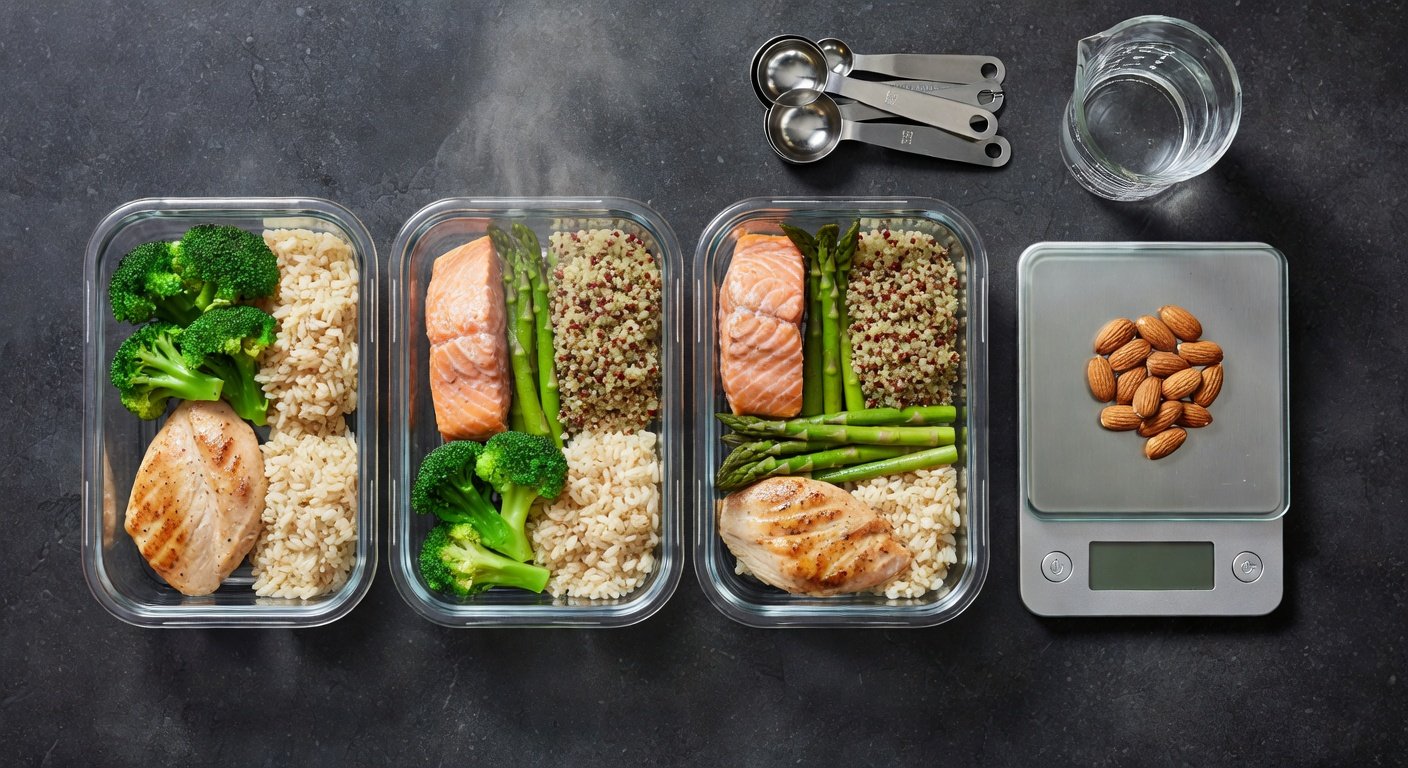
Protein intake becomes paramount when pursuing such low body fat levels, as muscle preservation directly impacts your final physique quality. Aim for 1.2-1.6 grams per pound of body weight, with higher intakes justified as you become leaner and caloric deficits more aggressive. Carbohydrate timing around workouts helps maintain training intensity while supporting recovery. Allocate 20-30% of your daily carbs to pre-workout meals and another 30-40% to post-workout recovery. The remaining carbohydrates should come from fibrous vegetables and minimal processed sources. Fat intake, while reduced during cutting phases, shouldn’t drop below 0.25 grams per pound of body weight to maintain hormone production and nutrient absorption.
Why the Last 5% Is the Hardest to Shave
The transition from 15% to 10% body fat presents unique physiological and psychological challenges that catch many men off guard. Your body recognizes this level of leanness as potentially threatening to survival and activates multiple defensive mechanisms. Leptin levels, the hormone responsible for signaling satiety, drop significantly, while ghrelin (hunger hormone) increases. This hormonal shift creates intense cravings and makes adherence to your nutrition plan exponentially more difficult. Sleep quality often deteriorates, recovery between workouts extends, and cognitive function may temporarily decline.
Metabolic adaptation accelerates dramatically during this phase. Your body becomes incredibly efficient at conserving energy, reducing non-exercise activity thermogenesis (NEAT) by up to 20-30%. This means you’ll naturally move less throughout the day, fidget less, and your body temperature may drop slightly. Training performance typically suffers, with strength decreases of 10-15% being common. These adaptations mean that the caloric deficit that worked to get you from 20% to 15% body fat will be insufficient for the final push. You may need to reduce calories by an additional 200-300 per day or significantly increase cardio volume to continue progressing.
Metabolic Adaptation and How to Combat It
Understanding metabolic adaptation helps you anticipate and counteract your body’s natural resistance to further fat loss. This biological response involves reductions in thyroid hormone production, decreased sympathetic nervous system activity, and improved metabolic efficiency in muscle tissue. Combat these adaptations through strategic refeed days, incorporating 24-48 hours of eating at maintenance calories every 7-14 days. These refeeds help restore leptin levels temporarily and provide psychological relief from the constant restriction. Vary your cardio modalities to prevent excessive adaptation to specific exercise patterns, alternating between steady-state work, high-intensity intervals, and incline walking.
Strategic Diet Break Implementation
Diet breaks represent one of the most powerful tools for successfully reaching 10% body fat, yet they’re often overlooked by men eager to reach their goal quickly. A properly implemented diet break involves eating at maintenance calories for 1-2 weeks after every 6-8 weeks of dieting. This approach allows your metabolism to partially recover, restores depleted hormones, and provides crucial psychological relief. During diet breaks, maintain your protein intake but increase carbohydrates and fats proportionally to reach maintenance calories. Continue your training program but consider reducing cardio volume by 30-50%.
The timing of diet breaks becomes increasingly important as you approach 10% body fat. Plan breaks strategically around high-stress periods, social events, or when progress stalls for more than 10-14 days despite adherence to your plan. Many successful physique competitors implement mini diet breaks every 10-12 days during the final 4-6 weeks of preparation. These 2-3 day periods of increased calories can restore training performance and prevent the complete metabolic shutdown that derails many cutting phases. Track your weight daily during breaks—expect 2-4 pounds of water weight gain, which will disappear within 3-5 days of resuming your deficit.
Realistic Timeline Expectations for Sustainable Progress
Setting realistic timeline expectations prevents the frustration and extreme measures that often sabotage long-term success. From 20% body fat, expect 24-32 weeks to reach 10%, assuming consistent adherence and no major setbacks. This timeline accounts for the necessary diet breaks, potential plateaus, and the natural slowdown in fat loss as you become leaner. Men starting from 15% body fat typically require 16-24 weeks, with the final 2-3% taking disproportionately longer than the initial progress. These timelines assume a sustainable approach that preserves muscle mass and maintains metabolic health.
Fat loss rates vary significantly throughout this journey. Initial weeks may show 2-3 pounds of loss weekly (much of this being water weight), while the final months may average only 0.5-1 pound per week. This deceleration is normal and expected—fighting it with extreme measures typically backfires. Plan for at least two significant plateaus lasting 2-3 weeks each, where scale weight remains static despite continued adherence. During these periods, body composition continues improving even when weight doesn’t change. Progress photos, body measurements, and training performance often provide better indicators of success than scale weight alone.
Monthly Milestones and Adjustment Points
Establish monthly checkpoints to assess progress and make necessary adjustments to your approach. Month one typically shows the most dramatic changes, with 6-10 pounds of total weight loss and noticeable improvements in muscle definition. By month two, expect 4-6 pounds of additional loss and enhanced vascularity in your arms and shoulders. Month three often presents the first major plateau, requiring caloric adjustments or cardio increases. Use these checkpoints to recalibrate your approach rather than making daily changes based on scale fluctuations. Document everything—weight, measurements, progress photos, energy levels, sleep quality, and training performance—to identify patterns and optimize your strategy.
Training Modifications for Extreme Leanness
Your training approach must evolve as you progress toward 10% body fat to account for reduced recovery capacity and energy availability. Maintain heavy compound movements but reduce overall training volume by 20-30% compared to your muscle-building phases. Focus on movement quality over absolute weight, as your joints and connective tissues become more vulnerable when body fat drops to very low levels. Implement deload weeks every fourth week, reducing intensity and volume to allow for complete recovery. This becomes increasingly important as you approach your target body fat percentage.
Cardiovascular exercise plays an increasingly important role as dietary restrictions reach their practical limits. Begin with 150-200 minutes of moderate-intensity cardio weekly, distributed across 4-5 sessions. As progress slows, gradually increase to 250-300 minutes, but avoid exceeding this volume to prevent excessive stress on your recovery systems. Prioritize low-impact activities like incline walking, cycling, or swimming to minimize joint stress. High-intensity interval training should be limited to 2-3 sessions weekly maximum, as your body’s ability to recover from intense exercise diminishes significantly at very low body fat levels.

Knowing When to Stop: The Sustainability Question
Recognizing when to conclude your cut to 10 body fat requires honest assessment of both physical and psychological indicators. Physical warning signs include persistent fatigue lasting more than a week, significant strength losses exceeding 20% of your baseline, frequent illness, or complete loss of libido. Sleep disturbances, including difficulty falling asleep or staying asleep despite exhaustion, signal that your body is under excessive stress. Psychologically, obsessive thoughts about food, social isolation to avoid eating situations, or extreme anxiety around meal timing indicate it’s time to begin reverse dieting back to maintenance calories.
The harsh reality is that 10% body fat is not sustainable year-round for most men without significant lifestyle compromises. This level of leanness typically requires constant vigilance around food intake, limited social flexibility, and substantial time investment in meal preparation and cardio. Plan your cut strategically around specific events or goals, with a clear exit strategy for returning to a more sustainable body fat percentage. Most men find 12-15% body fat offers an excellent balance between aesthetics and lifestyle flexibility, allowing for visible abs while maintaining normal hormone function and social eating opportunities.
Health Considerations and Warning Signs
Monitor specific health markers throughout your journey to ensure you’re not compromising long-term wellness for short-term aesthetic goals. Blood work should be conducted before beginning and at the halfway point, checking testosterone levels, thyroid function, and inflammatory markers. Testosterone levels below 300 ng/dL indicate excessive stress on your endocrine system and warrant immediate intervention. Resting heart rate increases of more than 10 beats per minute above baseline, despite improved cardiovascular fitness, suggest overreaching. Body temperature consistently below 97°F upon waking indicates metabolic suppression requiring immediate caloric increases or complete diet breaks.
Frequently Asked Questions
How long does it take to go from 20% to 10% body fat?
Going from 20% to 10% body fat typically takes 24-32 weeks for most men, assuming a sustainable rate of 1-2 pounds of fat loss per week. This timeline includes necessary diet breaks and accounts for the natural slowdown in progress as you become leaner. The final 2-3% takes disproportionately longer than initial progress.
Can you maintain 10% body fat year round?
Maintaining 10% body fat year-round is extremely challenging and not recommended for most men. This level requires constant dietary vigilance, limited social flexibility, and can negatively impact hormone levels, sleep quality, and overall well-being. Most men find 12-15% body fat more sustainable long-term.
How many calories to eat at 10% body fat?
Caloric needs at 10% body fat vary significantly based on size, activity level, and metabolic rate. Most men require 10-12 calories per pound of body weight for maintenance at this level, but individual needs can range from 8-14 calories per pound depending on training volume and metabolic efficiency.
What happens when you go below 10% body fat?
Going below 10% body fat can lead to hormonal disruption, including decreased testosterone and thyroid function. You may experience extreme fatigue, loss of libido, compromised immune function, and psychological stress. This level is typically only sustainable short-term for competitive purposes.
Is 10% body fat healthy for men?
10% body fat can be healthy for men when achieved and maintained properly, but it requires careful monitoring. This level is at the lower end of the healthy range and may not be sustainable long-term for everyone. Regular health monitoring and gradual achievement are essential for maintaining wellness.
Ready to Transform Your Physique?
Achieving 10% body fat requires expert guidance, personalized nutrition planning, and strategic training modifications. Our certified fitness professionals can create a customized roadmap based on your starting point, lifestyle, and goals. Don’t navigate this challenging journey alone—get the support and accountability you need to reach your leanest, strongest physique safely and sustainably.


