


The Golden Age of Fitness Fads: How We Got Here
The history of fitness fads reads like a highlight reel of American optimism and marketing genius. Every decade has produced its share of revolutionary workout systems, miracle devices, and transformation programs that promised to change bodies and lives forever. From the aerobics explosion of the 1980s to today’s boutique fitness studios, these trends have shaped how we think about exercise, often blurring the line between legitimate fitness innovation and clever marketing campaigns. The fitness industry generates over $35 billion annually in the United States alone, with much of that revenue driven by the next big thing promising faster, easier, or more dramatic results than traditional methods.
What makes a fitness trend become a cultural phenomenon goes beyond just effectiveness. The most successful fitness fads tap into deeper psychological needs: the desire for community, the appeal of novelty, and the promise of transformation. They often emerge during specific cultural moments when people are seeking change or responding to broader social trends. The rise of home fitness videos coincided with busy lifestyles and the desire for convenience. High-intensity interval training gained popularity as people sought maximum results in minimal time. Understanding this context helps explain why some exercise fads become lasting movements while others fade into obscurity, remembered only as curiosities of their era.
The 1980s: When Aerobics Ruled the World
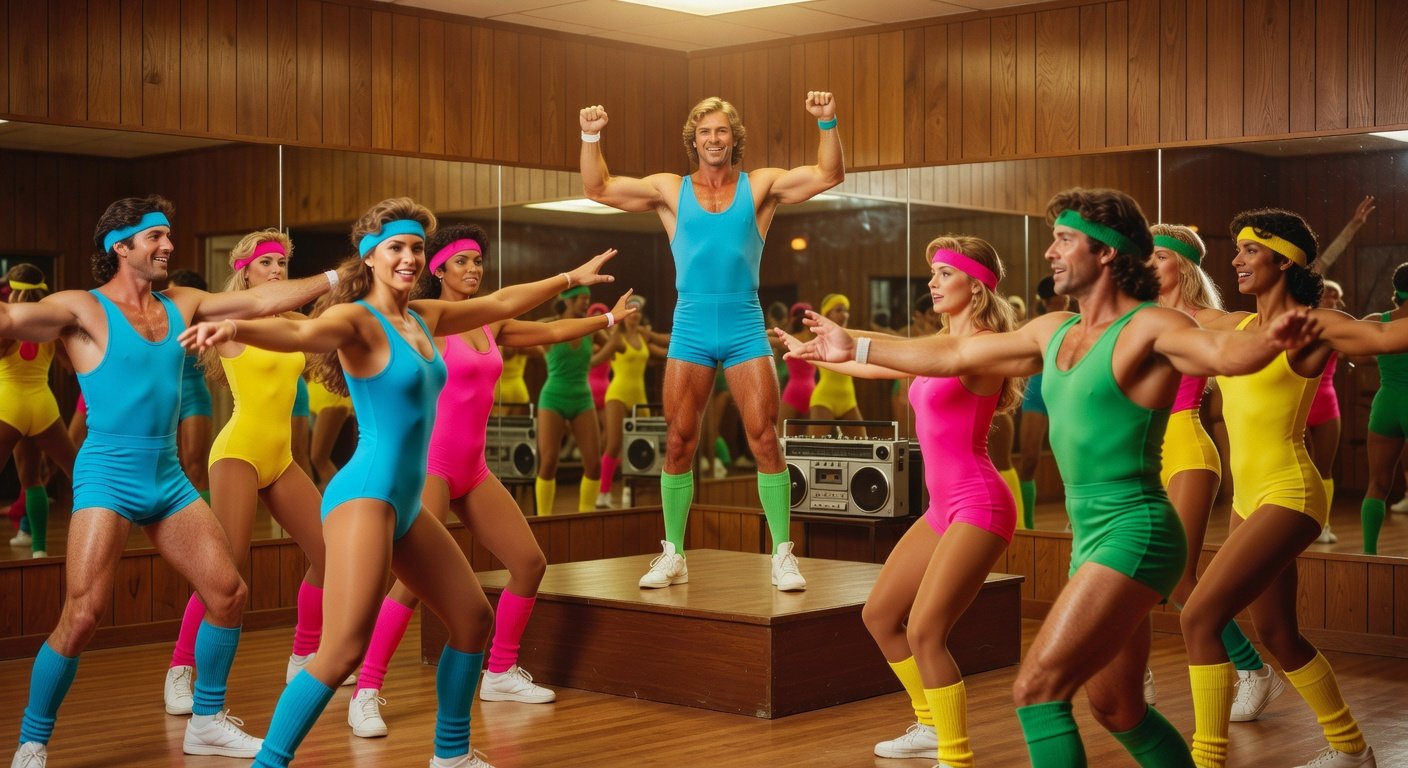
The 1980s marked the birth of modern fitness culture, with aerobics leading the charge as the decade’s defining workout trend. Jane Fonda’s workout videos sold millions of copies, transforming living rooms into makeshift gyms and establishing the template for home fitness that still dominates today. Jazzercise, founded in 1969 but reaching peak popularity in the 1980s, combined dance moves with aerobic exercise, creating a social fitness experience that attracted millions of participants worldwide. The trend emphasized cardiovascular health, coordination, and fun over the muscle-building focus of previous decades. Bright leotards, leg warmers, and high-energy music became synonymous with getting fit, creating a cultural aesthetic that defined an entire generation’s relationship with exercise.
From a scientific standpoint, the aerobics movement actually delivered on many of its promises. Regular aerobic exercise improves cardiovascular health, aids weight management, and boosts mental well-being through endorphin release. The emphasis on sustained, moderate-intensity movement aligned with emerging research about the benefits of cardiovascular exercise. However, the trend’s focus on appearance over performance, combined with high-impact movements that sometimes led to injuries, revealed some limitations. Many aerobics routines lacked the strength training component now recognized as essential for overall fitness. Despite these shortcomings, the aerobics boom established exercise as mainstream entertainment and proved that fitness could be both effective and enjoyable, laying the groundwork for countless future trends.
The ThighMaster Phenomenon: Spot Reduction Dreams
No discussion of worst fitness trends would be complete without mentioning the ThighMaster, the spring-loaded device that promised to tone and sculpt thighs through simple squeezing motions. Endorsed by actress Suzanne Somers and backed by aggressive infomercial marketing, the ThighMaster sold over 10 million units in its first few years. The device capitalized on the widespread belief in spot reduction – the idea that you could target fat loss in specific body areas through localized exercises. Women particularly embraced the ThighMaster because it promised to address one of their most common fitness concerns while requiring minimal time and effort. The marketing emphasized convenience, discretion, and dramatic results, appealing to busy people who wanted fitness solutions that fit into their existing routines.
The 1990s: Martial Arts Meets Mainstream Fitness
The 1990s brought martial arts into mainstream fitness culture, with Tae Bo leading the charge as one of the decade’s most influential exercise fads. Created by martial artist Billy Blanks, Tae Bo combined elements of taekwondo, boxing, and aerobics into high-energy workout routines that promised to burn calories while teaching self-defense skills. The program’s military-style intensity and Blanks’ charismatic instruction style attracted millions of followers who appreciated the mental focus and physical challenge that traditional aerobics sometimes lacked. Tae Bo represented a shift toward more aggressive, empowering forms of exercise that emphasized strength and confidence alongside cardiovascular fitness. The trend coincided with growing interest in Eastern philosophy and alternative approaches to wellness, making martial arts-inspired workouts feel both exotic and accessible.
Unlike many fitness fads that relied primarily on marketing hype, Tae Bo delivered legitimate fitness benefits that align with current exercise science. The combination of cardiovascular exercise, strength training, and flexibility work provided a well-rounded workout that improved multiple aspects of fitness simultaneously. The high-intensity nature of Tae Bo sessions burned significant calories while building lean muscle mass, particularly in the core and upper body. The mental focus required for executing martial arts techniques also provided cognitive benefits, improving coordination and mind-body connection. However, the complex movements and high impact nature of many routines posed injury risks for beginners or those with joint issues. Despite these concerns, Tae Bo’s influence can still be seen in today’s kickboxing classes and martial arts-inspired group fitness programs.
Ab Belts and Electronic Muscle Stimulation: The Lazy Man’s Workout
The late 1990s and early 2000s saw the rise of electronic muscle stimulation devices, particularly ab belts that promised to sculpt six-pack abs while users watched television or went about their daily activities. These devices used electrical impulses to contract muscles involuntarily, theoretically providing the benefits of exercise without the effort. The marketing was irresistible: achieve the body of your dreams while remaining completely sedentary. Companies spent millions on infomercials featuring before-and-after photos and testimonials from satisfied customers who claimed dramatic results. The appeal was obvious in an increasingly busy society where time had become the ultimate luxury. The idea that technology could replace traditional exercise resonated with people seeking shortcuts to fitness goals that typically required months or years of consistent effort.
The 2000s: P90X and the Home Fitness Revolution
P90X revolutionized home fitness in the 2000s by bringing professional-level training programs into living rooms across America. Created by Tony Horton and backed by Beachbody’s marketing machine, P90X promised dramatic body transformations in 90 days through a combination of strength training, cardio, yoga, and plyometrics. The program’s success lay in its comprehensive approach and the charismatic instruction of Horton, who managed to motivate users through challenging workouts while maintaining an encouraging, slightly irreverent tone. P90X represented a significant evolution from earlier home fitness videos by incorporating periodization, muscle confusion principles, and varied workout styles that prevented boredom and plateaus. The program’s emphasis on nutrition alongside exercise also reflected growing awareness of diet’s crucial role in body transformation.
From a fitness science perspective, P90X incorporated many evidence-based training principles that legitimate fitness professionals had been using for years. The program’s use of progressive overload, varied movement patterns, and multiple training modalities aligned with established exercise science. The inclusion of flexibility and recovery components addressed common weaknesses in earlier fitness fads. However, the program’s intensity and complexity made it unsuitable for beginners, and the promise of dramatic results in just 90 days set unrealistic expectations for many users. Despite these limitations, P90X succeeded where many fitness fads failed by providing a genuinely challenging workout system that could produce real results for committed participants. The program’s influence can be seen in the continued popularity of structured home workout programs and the rise of streaming fitness platforms.
Vibration Plates: Shaking Up the Fitness World
Whole-body vibration training emerged as a significant fitness trend in the 2000s, with vibration plates promising to enhance traditional exercises through mechanical oscillation. Originally developed for astronauts to combat bone density loss in space, the technology was adapted for consumer fitness markets with claims of increased muscle activation, improved circulation, and accelerated fat loss. Gyms began installing expensive vibration platforms, while home versions became popular among people seeking novel approaches to exercise. The science behind vibration training suggested that the unstable surface forced muscles to work harder to maintain balance and stability, theoretically providing greater benefits than traditional exercises performed on stable ground. Marketing materials often featured dramatic before-and-after photos and testimonials from users who claimed remarkable results from brief vibration sessions.
The 2010s: CrossFit and the Functional Fitness Movement
CrossFit transformed from a niche training methodology into a global fitness phenomenon during the 2010s, fundamentally changing how many people approach exercise and competition. Founded by Greg Glassman, CrossFit emphasized functional movements, high intensity, and constantly varied workouts that prepared participants for any physical challenge. The program’s community-focused approach, with local CrossFit boxes serving as tight-knit training communities, addressed the social isolation that many people experienced in traditional gyms. CrossFit’s competitive element, including the annual CrossFit Games, elevated everyday exercisers to athlete status and created aspirational goals beyond simple weight loss or muscle gain. The methodology’s emphasis on measurable, observable, repeatable results appealed to data-driven individuals who wanted objective measures of their fitness progress.
Unlike many fitness fads that relied primarily on marketing appeal, CrossFit incorporated legitimate training principles backed by decades of strength and conditioning research. The program’s emphasis on compound movements, progressive overload, and metabolic conditioning aligned with established exercise science. The inclusion of Olympic weightlifting, gymnastics, and endurance training provided comprehensive fitness development that addressed multiple physical attributes simultaneously. However, CrossFit’s high-intensity approach and complex movements posed significant injury risks, particularly for beginners or those with poor movement patterns. The program’s competitive culture sometimes encouraged participants to push beyond safe limits, leading to overuse injuries and burnout. Despite these concerns, CrossFit’s influence on mainstream fitness has been profound, with functional training principles now incorporated into many traditional gym programs and group fitness classes.

Waist Trainers: The Corset Comeback
The waist trainer trend gained massive popularity in the 2010s, particularly among women seeking to achieve the hourglass figure popularized by celebrities and social media influencers. These modern corsets promised to instantly slim the waistline while supposedly training the torso into a more desirable shape over time. Celebrity endorsements from figures like Kim Kardashian and Jessica Alba drove sales into the millions, with companies marketing waist trainers as both fashion accessories and fitness tools. The appeal lay in the immediate visual results – waist trainers could instantly reduce waist measurements by several inches, creating dramatic before-and-after photos that fueled social media marketing campaigns. Many users believed that wearing waist trainers during workouts would enhance fat loss and help sculpt their midsection more effectively than exercise alone.
The Science Behind Fitness Fads: What Actually Works
Analyzing the effectiveness of fitness fads requires separating marketing claims from scientific evidence, a process that reveals why some trends produce lasting results while others fade into obscurity. The most successful fitness movements typically incorporate fundamental exercise principles that have been validated through decades of research: progressive overload, specificity, recovery, and consistency. Programs like P90X and CrossFit succeeded because they applied these principles within structured systems that motivated adherence and provided measurable progress. In contrast, passive devices like ab belts and vibration plates failed to deliver promised results because they violated basic physiological principles about how muscles adapt and grow. The human body requires progressive challenge and active engagement to improve fitness levels, something that cannot be achieved through passive stimulation or minimal effort.
The psychological components of fitness fads often matter as much as their physical elements in determining success or failure. Trends that create community, provide clear structure, and offer regular feedback tend to produce better long-term results because they address the behavioral challenges that derail most fitness efforts. The social aspect of group fitness classes, the gamification elements in programs like CrossFit, and the convenience of home workout systems all tap into psychological motivators that help people maintain exercise habits. However, fads that promise unrealistic results or require unsustainable behaviors typically fail because they create expectations that cannot be met through any legitimate fitness approach. Understanding these psychological factors helps explain why some people achieve remarkable results with certain programs while others experience disappointment and frustration.
The Role of Marketing in Fitness Trends
The fitness industry’s marketing machine plays a crucial role in determining which exercise fads gain widespread adoption and cultural significance. Successful fitness trends typically combine legitimate training elements with compelling marketing narratives that address common frustrations and desires. The promise of rapid transformation, the appeal of celebrity endorsements, and the convenience of home-based solutions consistently drive consumer interest regardless of a program’s actual effectiveness. Infomercials, social media campaigns, and word-of-mouth testimonials create powerful psychological pressure to try the latest fitness solution, often leading people to abandon proven methods in favor of trendy alternatives. The most successful fitness fads master the art of making exercise seem both achievable and exciting, transforming the often mundane reality of consistent training into an aspirational lifestyle choice.
Modern Fitness Trends: Learning from History
Today’s fitness landscape reflects lessons learned from decades of trends, with successful programs increasingly emphasizing sustainability, personalization, and evidence-based approaches over quick fixes and one-size-fits-all solutions. The rise of boutique fitness studios, online training platforms, and wearable technology represents an evolution toward more sophisticated and individualized fitness experiences. Modern trends like high-intensity interval training (HIIT), functional movement screening, and recovery-focused programming incorporate scientific principles while maintaining the engagement and community elements that make exercise enjoyable and sustainable. The current emphasis on mental health, stress management, and holistic wellness reflects a maturation of fitness culture beyond purely aesthetic or performance goals.
The COVID-19 pandemic accelerated many fitness trends that were already emerging, particularly the shift toward home-based and technology-enabled exercise solutions. Streaming fitness platforms, virtual personal training, and app-based workout programs gained massive adoption as people sought alternatives to traditional gym experiences. This technological evolution has democratized access to high-quality fitness instruction while providing the convenience and flexibility that modern lifestyles demand. However, the challenge remains separating legitimate innovations from marketing-driven fads that promise unrealistic results. The most successful contemporary fitness trends combine the convenience of modern technology with time-tested training principles, creating sustainable systems that can adapt to individual needs and preferences while delivering genuine health and fitness benefits.
Frequently Asked Questions
What fitness fads actually worked?
Several fitness fads delivered genuine results, including P90X, CrossFit, and aerobics classes. These programs succeeded because they incorporated proven exercise principles like progressive overload, varied training, and consistent challenge. The key was combining effective training methods with engaging formats that motivated long-term adherence.
Was P90X effective?
P90X was genuinely effective for committed users because it combined strength training, cardio, flexibility, and nutrition guidance in a structured 90-day program. The system used muscle confusion and periodization principles that align with exercise science. However, its intensity made it unsuitable for beginners, and the 90-day transformation promise was unrealistic for most people.
Is CrossFit a fad or legit?
CrossFit is a legitimate training methodology that incorporates proven strength and conditioning principles. Its emphasis on functional movements, high intensity, and measurable results aligns with exercise science. However, the high injury risk and competitive culture can be problematic for some participants. CrossFit’s lasting influence on mainstream fitness suggests it’s more than just a fad.
What was the biggest fitness trend of the 2000s?
P90X was arguably the biggest fitness trend of the 2000s, revolutionizing home fitness with its comprehensive 90-day transformation program. The system sold millions of copies and influenced countless other home workout programs. Its success demonstrated that people wanted structured, challenging workouts they could do at home with minimal equipment.
Are waist trainers effective?
Waist trainers provide only temporary visual effects and do not permanently change body shape or reduce fat. While they can instantly make the waist appear smaller, they don’t build muscle or burn calories. Long-term use can actually weaken core muscles and cause breathing difficulties. Proper diet and exercise remain the only effective methods for lasting waist reduction.
Ready to Build a Sustainable Fitness Routine?
Tired of chasing the latest fitness fads only to end up back where you started? Our expert trainers can help you develop a science-based fitness program that delivers real, lasting results. Skip the gimmicks and start building the strong, healthy body you deserve. Contact us today to schedule your consultation and learn how proper training principles can transform your fitness journey.


