


Why Your Bar Order Matters for Your Health Goals
When you’re committed to maintaining a healthy lifestyle, your choices at the bar can significantly impact your fitness and nutrition goals. The healthiest alcoholic drinks aren’t just about calories—they’re about understanding how different beverages affect your metabolism, hydration levels, and overall well-being. A single cocktail can contain anywhere from 100 to 800 calories, with sugar content ranging from zero to over 30 grams per drink. These numbers add up quickly during a night out, potentially derailing weeks of disciplined eating and training. Smart bar ordering becomes a crucial skill for men who want to enjoy social drinking without compromising their health objectives.
The key to making healthier drink choices lies in understanding the fundamental differences between various alcoholic beverages and their ingredients. Pure alcohol contains 7 calories per gram, making it the second most calorie-dense macronutrient after fat. However, the real caloric damage comes from added sugars, syrups, and mixers that can triple or quadruple a drink’s calorie count. Men who prioritize their health need to consider not just the immediate effects of their drink choices, but also how these beverages interact with their training, recovery, and long-term wellness goals. Making informed decisions about what to order can mean the difference between maintaining your progress and taking several steps backward in your fitness journey.
The Healthiest Alcoholic Drinks Ranked by Calories and Sugar
Spirits consumed neat or on the rocks consistently rank as the healthiest alcoholic drinks you can order at any bar. Vodka, gin, whiskey, rum, and tequila each contain approximately 97 calories per 1.5-ounce serving with zero carbohydrates and zero sugar. These distilled beverages undergo a process that removes virtually all residual sugars, leaving only pure ethanol and water. When ordering spirits, choose premium brands that use cleaner distillation processes and avoid flavored varieties, which often contain added sugars and artificial ingredients. The absence of mixers means you’re getting the most straightforward alcoholic beverage possible, allowing your body to process the alcohol efficiently without additional metabolic burden from sugars or additives.
Wine occupies the middle ground in terms of healthy bar choices, with dry varieties offering the best nutritional profile. A standard 5-ounce glass of dry red or white wine contains 120-125 calories and 1-4 grams of residual sugar. Red wines like Pinot Noir, Cabernet Sauvignon, and Merlot provide additional antioxidants, including resveratrol, which has been associated with cardiovascular benefits in moderate consumption. White wines such as Sauvignon Blanc, Pinot Grigio, and Chardonnay typically contain fewer calories and less sugar than their red counterparts. Avoid sweet wines, dessert wines, and wine cocktails, which can contain 150-300 calories per serving due to higher sugar content. When ordering wine, specify dry varieties and stick to standard pours to maintain portion control.
Light Beer: A Moderate Choice with Caveats
Light beer represents a reasonable compromise for men who prefer beer but want to minimize caloric intake. Premium light beers typically contain 95-110 calories per 12-ounce serving, with 3-6 grams of carbohydrates and minimal sugar. However, beer’s lower alcohol content means you’ll likely consume more volume to achieve the same effect as spirits or wine, potentially increasing your total caloric intake. The carbonation in beer can also contribute to bloating and digestive discomfort, particularly when consumed in larger quantities. Choose light beers from reputable breweries that use quality ingredients and avoid flavored or seasonal varieties that often contain added sugars. Regular beer contains 150-200 calories per serving, making it a less optimal choice for health-conscious drinkers.
Cocktails to Avoid: The Caloric Nightmares
Traditional cocktails represent the worst choices for men prioritizing their health, with many popular drinks containing 400-800 calories per serving. Frozen drinks like Piña Coladas, Daiquiris, and Margaritas combine alcohol with high-sugar mixers, syrups, and often ice cream or sherbet, creating caloric bombs that can exceed the calorie content of an entire meal. Long Island Iced Teas, despite their name, contain multiple types of alcohol plus cola and sour mix, resulting in 500-700 calories and 30-50 grams of sugar per drink. Cream-based cocktails such as White Russians, Mudslides, and Brandy Alexanders add dairy fat to the equation, further increasing caloric density while providing minimal nutritional value.
Sweet cocktails and tropical drinks consistently rank among the unhealthiest bar options due to their reliance on sugar-heavy mixers and syrups. Mai Tais, Hurricanes, and Bahama Mamas can contain 600-900 calories per serving, with sugar content equivalent to consuming multiple candy bars. These drinks often mask the taste of alcohol with excessive sweetness, leading to overconsumption and rapid blood sugar spikes followed by crashes. The combination of high sugar content and alcohol creates a perfect storm for fat storage, particularly around the midsection. Even seemingly innocent cocktails like Cosmos and Appletinis contain 200-300 calories due to cranberry juice, simple syrup, and flavored liqueurs. The key is recognizing that any drink requiring multiple mixers, syrups, or fruit juices will significantly increase caloric and sugar content.
Smart Mixer Choices and Low-Calorie Alternatives
The mixer you choose can make or break your healthy drinking strategy, transforming a low-calorie spirit into a high-sugar cocktail disaster. Club soda, sparkling water, and plain water represent the gold standard for healthy mixers, adding zero calories while providing hydration and dilution. Fresh lime or lemon juice adds minimal calories (4-6 per wedge) while providing vitamin C and natural flavor enhancement. Diet sodas, while not ideal due to artificial sweeteners, offer a reasonable compromise for those who need flavored mixers, containing zero calories but potentially affecting gut bacteria and insulin sensitivity. Avoid tonic water, which contains 32 grams of sugar per 8 ounces, despite its reputation as a healthy mixer.
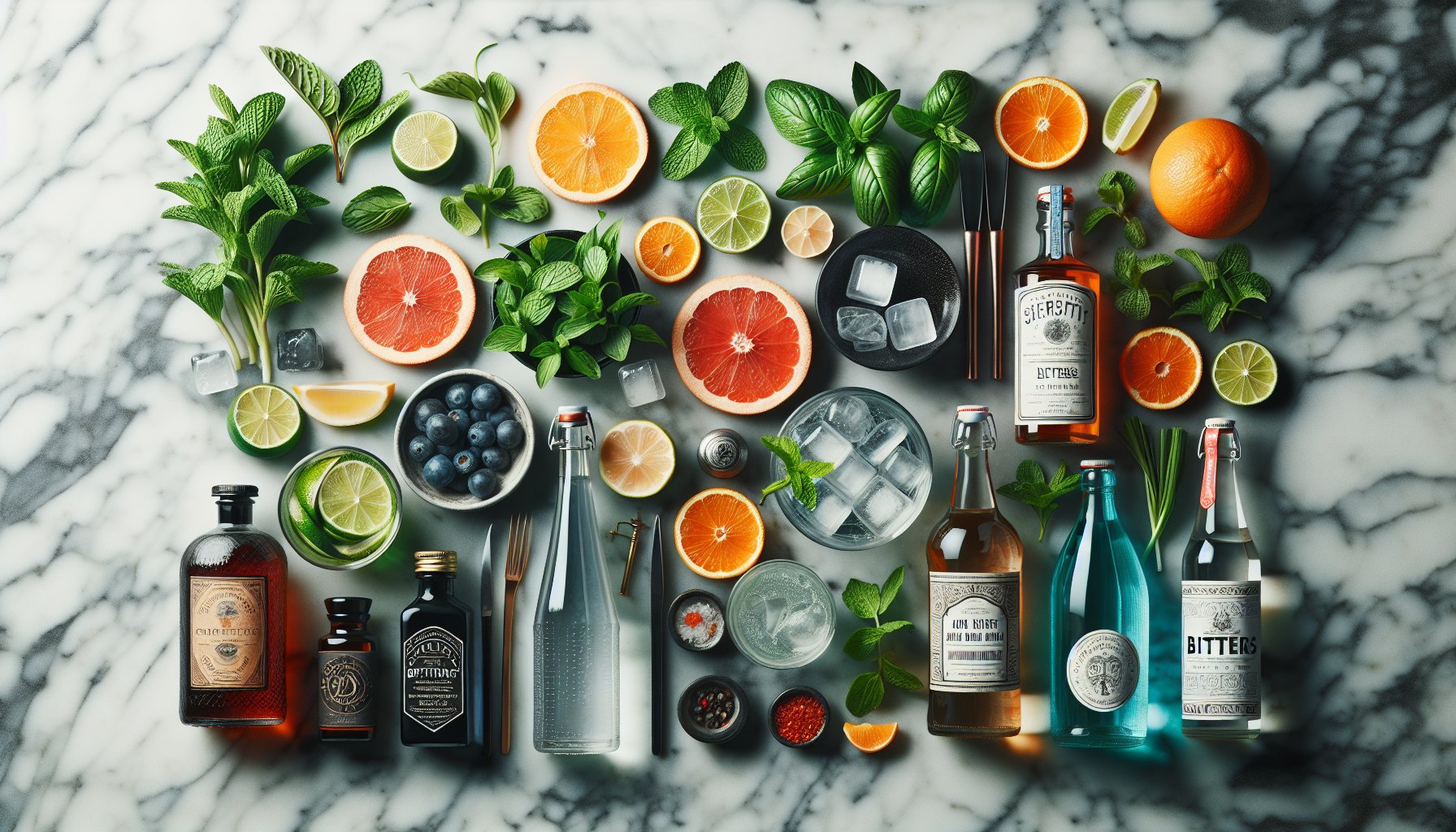
When creating healthier versions of classic cocktails, focus on substitutions that maintain flavor while reducing sugar and calories. Replace simple syrup with muddled fresh herbs like mint or basil, which add complexity without calories. Use fresh citrus juices sparingly rather than pre-made sour mixes, which contain high fructose corn syrup and artificial flavors. Bitters can add depth and complexity to drinks with virtually no caloric impact—a few dashes of Angostura or orange bitters can transform a simple spirit and soda into a sophisticated cocktail. For those who enjoy fruity flavors, muddle fresh berries or cucumber instead of using fruit juices or flavored syrups. These natural ingredients provide antioxidants and fiber while keeping sugar content minimal.
The Truth About ‘Healthy’ Mixers
Many supposedly healthy mixers marketed to health-conscious consumers still contain significant amounts of sugar and calories that can sabotage your fitness goals. Coconut water, while containing natural electrolytes, provides 45-60 calories and 11-15 grams of sugar per 8-ounce serving. Kombucha, despite its probiotic benefits, contains 30-60 calories and 6-16 grams of sugar per serving, and its alcohol content can interact unpredictably with additional spirits. Fresh fruit juices, even when 100% natural, concentrate the sugar content of multiple fruits into a single serving—orange juice contains 112 calories and 26 grams of sugar per 8 ounces. The healthiest approach involves using these mixers sparingly as flavor accents rather than primary ingredients, diluting them with sparkling water or using them in small quantities to add natural sweetness without overwhelming your drink with calories.
Hydration Strategies for Healthier Drinking
Proper hydration represents one of the most critical aspects of healthy drinking that many men overlook in bar settings. Alcohol acts as a diuretic, increasing urine production and promoting dehydration, which can exacerbate hangovers and interfere with recovery from training. The standard recommendation of alternating alcoholic drinks with water becomes even more important when consuming spirits, which have higher alcohol concentrations. Order a glass of water with every drink and consume it before ordering your next alcoholic beverage. This strategy not only maintains hydration but also slows alcohol consumption, allowing your liver more time to process each drink effectively.
Electrolyte balance becomes particularly important during extended drinking sessions or in hot weather environments. While sports drinks might seem like a logical choice, most contain 140-170 calories and 35-40 grams of sugar per bottle, making them counterproductive for health-conscious drinking. Instead, add a pinch of high-quality sea salt and fresh lemon to your water, or choose sugar-free electrolyte tablets that dissolve in water. Coconut water can serve as an occasional electrolyte replacement, but use it sparingly due to its natural sugar content. The goal is maintaining proper hydration and electrolyte balance without adding unnecessary calories or sugar to your evening’s consumption.
Timing and Moderation Guidelines
The timing of alcohol consumption significantly impacts its effects on your metabolism, sleep quality, and recovery from exercise. Consuming alcohol within three hours of bedtime can disrupt sleep architecture, reducing REM sleep and growth hormone production, both crucial for muscle recovery and fat metabolism. If you’re following a structured training program, limit alcohol consumption to rest days or at least 48 hours before intense training sessions. Alcohol impairs protein synthesis for up to 24 hours after consumption, potentially interfering with muscle growth and recovery. Plan your drinking occasions strategically around your training schedule to minimize negative impacts on your fitness goals.
Moderation guidelines for healthy men suggest limiting alcohol consumption to no more than two drinks per day, with at least two alcohol-free days per week. However, these guidelines assume standard drink sizes: 1.5 ounces of spirits, 5 ounces of wine, or 12 ounces of beer. Bar pours often exceed these standard measurements, particularly for spirits, which can contain 2-3 ounces per drink. When ordering, specify standard pours or ask bartenders to measure spirits to maintain portion control. Consider setting personal limits before arriving at the bar, such as a maximum number of drinks or a specific time to stop consuming alcohol. Having a clear exit strategy helps prevent impulsive decisions that can derail your health goals.
The Reality of ‘Healthy’ Alcohol Consumption
While this guide focuses on healthier alcoholic drink choices, it’s important to acknowledge that no amount of alcohol consumption is truly optimal for health. Recent research has challenged previous studies suggesting cardiovascular benefits from moderate drinking, with current evidence indicating that any potential benefits are outweighed by increased risks of cancer, liver disease, and other health complications. The healthiest choice is always abstaining from alcohol entirely. However, for men who choose to drink socially, making informed choices about what to order can minimize negative health impacts while allowing for social participation. Understanding the caloric and metabolic effects of different beverages empowers you to make decisions aligned with your health and fitness goals.
Frequently Asked Questions
What is the healthiest alcohol to drink?
Spirits consumed neat or on the rocks are the healthiest alcoholic drinks, containing about 97 calories per 1.5-ounce serving with zero sugar. Vodka, gin, whiskey, rum, and tequila are all equivalent in terms of calories and health impact when consumed without mixers.
What has the least calories at a bar?
Pure spirits (vodka, gin, whiskey, rum, tequila) have the fewest calories at 97 per standard 1.5-ounce serving. When mixed, vodka soda with lime contains approximately 100-105 calories, making it one of the lowest-calorie mixed drinks available.
Is vodka soda the healthiest drink?
Vodka soda is among the healthiest mixed drinks you can order, containing only 100-105 calories with zero sugar. The club soda provides hydration without adding calories, making it an excellent choice for health-conscious drinkers who want a mixed beverage.
How many calories in a whiskey neat?
Whiskey neat contains approximately 97 calories per 1.5-ounce serving. This applies to all types of whiskey including bourbon, rye, and Scotch, as the distillation process removes sugars, leaving only alcohol and water.
Is red wine really good for you?
While red wine contains antioxidants like resveratrol, current research suggests any potential health benefits are outweighed by alcohol’s negative effects. A 5-ounce glass contains 120-125 calories and should be consumed in moderation as part of an overall healthy lifestyle.
Ready to Optimize Your Health and Fitness?
Making smart choices at the bar is just one piece of the puzzle when it comes to achieving your health and fitness goals. If you’re serious about transforming your body and lifestyle, our expert team can help you develop a comprehensive plan that includes nutrition guidance, training protocols, and lifestyle strategies that work with your social life. Contact us today to schedule a consultation and learn how to build sustainable healthy habits that don’t require giving up everything you enjoy.


