


The Science Behind Gray Hair Men Experience
Gray hair men develop isn’t simply a cosmetic change—it’s a complex biological process that begins at the cellular level. Each hair follicle contains specialized cells called melanocytes, which produce melanin, the pigment responsible for your hair’s natural color. As men age, these melanocytes gradually lose their ability to produce melanin effectively. This reduction in pigment production causes new hair growth to appear gray, silver, or white. The process typically begins around age 30 for most men, though genetics play a significant role in determining when and how rapidly graying occurs.
Beyond melanocyte dysfunction, researchers have identified hydrogen peroxide buildup as another key factor in the graying process. Hair follicles naturally produce small amounts of hydrogen peroxide as a byproduct of cellular metabolism. Normally, the enzyme catalase breaks down this hydrogen peroxide before it can cause damage. However, as men age, catalase production decreases while hydrogen peroxide levels increase. This imbalance creates an oxidative environment that damages melanocytes and interferes with melanin production. The result is the characteristic loss of pigmentation that defines gray hair men experience throughout their lives.
Genetic Factors That Determine Going Gray Men Face
Genetics account for approximately 80% of the variation in when going gray men will experience their first silver strands. The IRF4 gene, located on chromosome 6, has been identified as particularly influential in determining hair pigmentation patterns. Men who inherit certain variants of this gene may begin graying as early as their late teens or early twenties, while others maintain their natural color well into their fifties. Family history provides the most reliable predictor of your graying timeline—if your father and grandfather went gray early, you’re likely to follow a similar pattern. However, maternal genetics also contribute significantly, as X-linked genes from your mother’s side influence hair pigmentation and follicle health throughout your lifetime.
Lifestyle Factors That Accelerate Gray Hair Development
While genetics set the foundation for when gray hair men will develop, lifestyle factors can significantly accelerate or delay the process. Chronic stress emerges as one of the most powerful environmental triggers for premature graying. When you experience prolonged stress, your body produces elevated levels of cortisol and norepinephrine. These stress hormones create oxidative damage throughout your system, including within hair follicles. Research has shown that chronic stress can deplete melanocyte stem cells, the reserve population responsible for replenishing pigment-producing cells. This depletion leads to faster graying and can cause noticeable changes in hair color within months of experiencing significant life stressors.
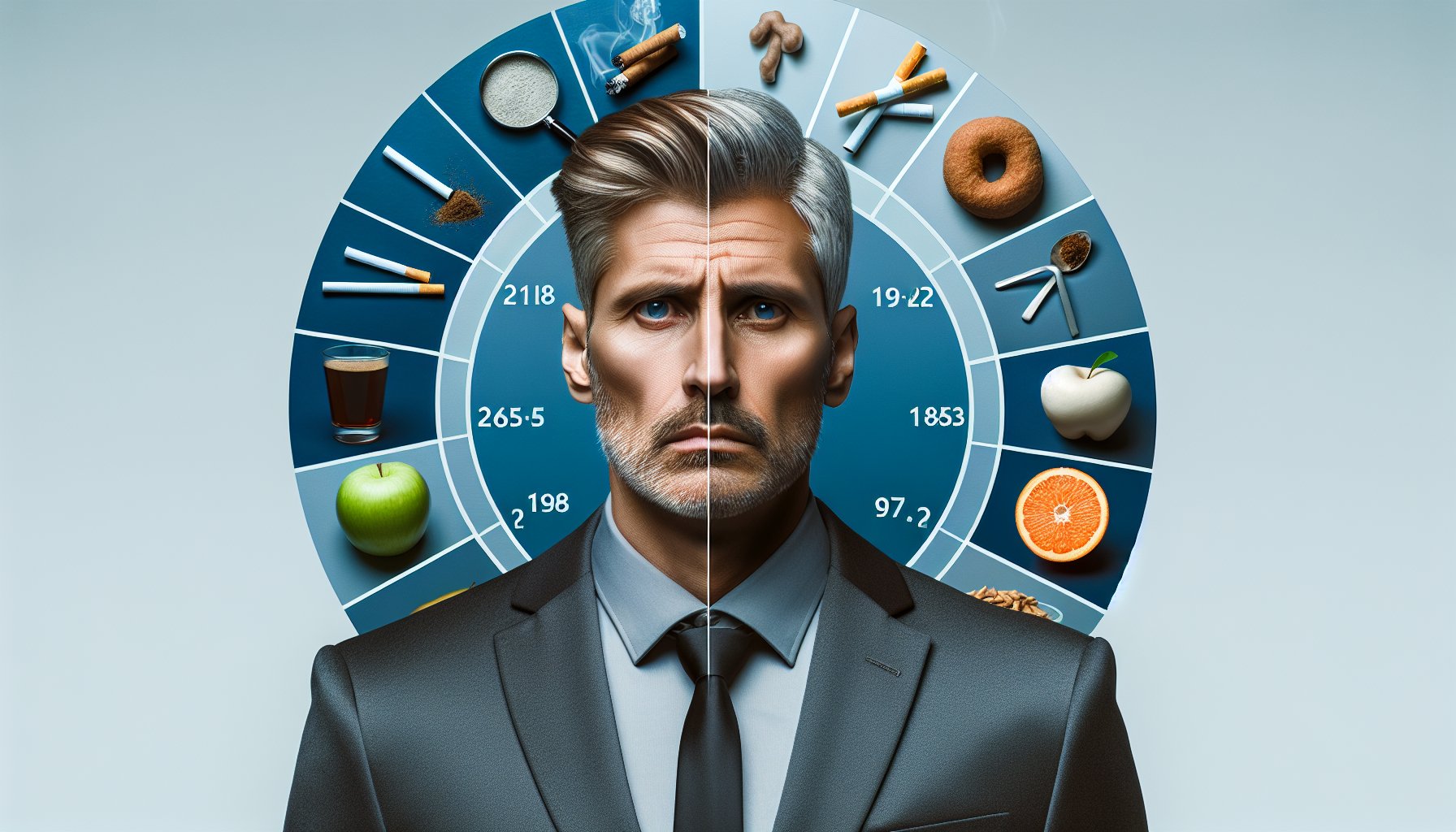
Smoking represents another major lifestyle factor that accelerates the graying process in men. Tobacco use introduces thousands of toxic compounds into your bloodstream, many of which generate free radicals that damage cellular structures throughout your body. Hair follicles are particularly vulnerable to this oxidative stress because they have high metabolic activity and limited antioxidant defenses. Studies have consistently shown that smokers develop gray hair approximately four years earlier than non-smokers. The chemicals in cigarettes also reduce blood circulation to the scalp, limiting the delivery of nutrients and oxygen that melanocytes need to function properly. Quitting smoking can slow further damage, though it cannot reverse graying that has already occurred.
Nutritional Deficiencies and Gray Hair Causes
Specific nutritional deficiencies can contribute to premature graying, though complete reversal through diet alone remains unlikely once the process has begun. Copper deficiency stands out as particularly significant because copper serves as a cofactor for tyrosinase, the enzyme responsible for melanin synthesis. Men with inadequate copper intake may experience accelerated graying alongside other symptoms like anemia and immune dysfunction. Vitamin B12 deficiency also impacts hair pigmentation, as this vitamin plays crucial roles in DNA synthesis and cellular metabolism within hair follicles. Iron deficiency can similarly affect hair health and color, particularly in men who follow restrictive diets or have underlying absorption issues that limit their ability to maintain adequate mineral levels.
Gray Hair Solutions Men Can Consider
Men facing gray hair have three primary approaches: embracing the natural change, using coloring products to maintain their original color, or exploring emerging treatments that claim to slow or reverse the graying process. Each option comes with distinct advantages and considerations that depend on personal preferences, lifestyle factors, and long-term goals. The choice isn’t permanent—many men experiment with different approaches over time as their hair continues to change and their comfort level with graying evolves. Understanding the pros and cons of each strategy helps you make informed decisions about how to handle your changing appearance.
The embrace-and-enhance approach has gained significant popularity as social attitudes toward aging have shifted. This strategy focuses on optimizing the appearance of gray hair through proper grooming, styling, and overall presentation. Many men find that gray hair actually enhances their appearance by adding sophistication and maturity to their look. The key lies in maintaining healthy hair regardless of color—gray hair can appear dull or yellowed without proper care, but with the right products and techniques, it can look vibrant and attractive. This approach requires the least ongoing maintenance and financial investment while potentially offering the greatest long-term satisfaction.
How to Stop Gray Hair Through Coloring Options
For men who prefer to maintain their original hair color, modern coloring options offer sophisticated solutions that look natural when applied correctly. Permanent hair dyes provide the most complete coverage and longest-lasting results, typically maintaining color for 6-8 weeks before requiring touch-ups. Semi-permanent options offer a gentler approach with less chemical processing, though they require more frequent application and may not provide complete gray coverage. Gradual color products allow for subtle changes over time, which can be particularly appealing for men who want to avoid dramatic overnight transformations that might draw unwanted attention to their hair care routine.
Professional vs. At-Home Coloring Considerations
Professional coloring services offer expertise in color matching, application techniques, and ongoing maintenance that can be difficult to replicate at home. Experienced colorists understand how to blend gray hair naturally with your remaining pigmented hair, creating seamless results that look authentic. They can also assess your hair’s condition and recommend appropriate products and techniques based on your specific hair type and graying pattern. However, professional services require significant time and financial investment, with initial appointments often taking 2-3 hours and costing $100-300 depending on your location and the complexity of the color work required.
Styling and Grooming Gray Hair Men Should Know
Gray hair requires specific grooming approaches to look its best, as the change in pigmentation often coincides with changes in hair texture and behavior. Many men notice that their hair becomes coarser, more wiry, or less manageable as it grays. These texture changes occur because the same cellular processes that reduce melanin production also affect the hair shaft’s structure and the scalp’s oil production. Gray hair often appears drier and more prone to frizz because sebaceous glands produce less natural oil as you age. Understanding these changes allows you to adapt your grooming routine to work with your hair’s new characteristics rather than fighting against them.
The right haircut becomes even more important when dealing with gray hair, as certain styles can enhance the sophisticated appearance that gray provides while minimizing any unflattering aspects. Shorter, well-maintained cuts often work best for gray hair because they prevent the wiry texture from becoming unruly while showcasing the color’s natural depth and variation. Regular trims every 3-4 weeks help maintain sharp lines and prevent gray hair from looking unkempt. Many men find that styles with some texture and movement look more modern and youthful than slicked-back or overly formal approaches, which can sometimes emphasize the aging aspect of gray hair rather than its distinguished qualities.

Product Selection for Gray Hair Management
Gray hair benefits from specialized products designed to address its unique characteristics and challenges. Purple or blue-tinted shampoos help counteract yellow or brassy tones that can make gray hair appear dull or aged. These color-correcting products work by depositing small amounts of complementary pigments that neutralize unwanted warm tones, leaving gray hair looking brighter and more vibrant. However, these shampoos should be used sparingly—typically once or twice per week—as overuse can leave hair with an unnatural tint. Moisturizing conditioners become essential for gray hair because the reduced oil production that often accompanies graying can leave hair feeling dry and brittle.
The Confidence Factor: Why Women Find Gray Hair Attractive
Research consistently shows that many women find gray hair attractive on men, associating it with maturity, wisdom, and confidence. A 2019 study published in the Journal of Social Psychology found that women rated men with gray hair as more distinguished and trustworthy compared to their younger-looking counterparts. This preference appears to be rooted in evolutionary psychology, where signs of maturity and life experience signal stability and resources—qualities that many women find appealing in long-term partners. The key factor isn’t the gray hair itself, but rather how confidently a man carries his appearance and maintains his overall grooming and health.
The attractiveness of gray hair men often depends more on overall presentation than on hair color alone. Men who maintain good physical fitness, dress well, and demonstrate confidence tend to be perceived as attractive regardless of their hair color. Gray hair can actually enhance these positive qualities by adding an element of sophistication and gravitas that younger men may lack. However, this positive perception requires that the gray hair be well-maintained and styled appropriately. Unkempt or poorly groomed gray hair can have the opposite effect, making a man appear older or less vital than he actually is.
Building Confidence During the Transition
The transition period when gray hair first appears can be challenging for many men, particularly those who identify strongly with their youthful appearance. This phase often involves mixed feelings about aging and changing self-perception. Building confidence during this transition requires focusing on the positive aspects of maturity while maintaining the health and grooming habits that contribute to overall attractiveness. Many men find it helpful to view gray hair as a sign of life experience and wisdom rather than simply a marker of aging. This mindset shift can transform what initially feels like a loss into an opportunity to embrace a new phase of life with confidence and style.
Emerging Treatments and Future Solutions
The field of gray hair research has expanded significantly in recent years, with several promising treatments in development that may offer new options for men who want to slow or reverse the graying process. Topical treatments containing peptides and growth factors are being studied for their ability to stimulate melanocyte activity and restore pigment production. Some early-stage research suggests that certain compounds can reactivate dormant melanocyte stem cells, potentially reversing graying in some individuals. However, these treatments remain largely experimental, and their long-term safety and effectiveness have not been established through rigorous clinical trials.
Nutritional supplements marketed for gray hair prevention have gained popularity, though scientific evidence for their effectiveness remains limited. Products containing catalase, copper, and various vitamins claim to address the underlying causes of graying by reducing oxidative stress and supporting melanocyte function. While these supplements are generally safe for most men, they should not be expected to produce dramatic results, particularly once graying has already begun. The most promising approach appears to be prevention rather than reversal, focusing on maintaining overall health and minimizing the lifestyle factors that accelerate graying. Future treatments may offer more effective solutions, but current options require realistic expectations about their potential benefits.
Frequently Asked Questions
What causes gray hair in men in their 20s?
Premature graying in men’s twenties is primarily caused by genetics, with the IRF4 gene playing a significant role. Stress, smoking, and nutritional deficiencies can also accelerate the process. If your father or grandfather went gray early, you’re likely to follow a similar pattern.
Can gray hair be reversed naturally?
Complete reversal of gray hair through natural methods is unlikely once the graying process has begun. While addressing nutritional deficiencies and reducing stress may slow progression, melanocyte damage is generally permanent. Some early research shows promise, but proven reversal methods don’t currently exist.
Does stress actually cause gray hair?
Yes, chronic stress can accelerate gray hair development by producing cortisol and norepinephrine, which create oxidative damage in hair follicles. Stress depletes melanocyte stem cells responsible for pigment production, potentially causing noticeable graying within months of significant stressors.
Should men dye their gray hair?
Whether to dye gray hair is a personal choice based on lifestyle, maintenance preferences, and comfort level. Many women find gray hair attractive on men, associating it with maturity and confidence. Consider professional coloring for natural-looking results if you choose this route.
Do women find gray hair attractive on men?
Research shows many women find gray hair attractive on men, rating them as more distinguished and trustworthy. The key is confidence and good grooming rather than hair color itself. Well-maintained gray hair can enhance a man’s sophisticated appearance.
Ready to Embrace Your Best Look?
Whether you’re considering embracing your gray hair or exploring color options, the right grooming approach can enhance your confidence and appearance. Our style consultants can help you develop a personalized strategy that works with your lifestyle and goals. Contact us today to schedule a consultation and discover how to make your hair work for you, regardless of its color.


