


Understanding Body Fat Percentage Men Need to Know
Body fat percentage represents the proportion of your total body weight that consists of fat tissue. For men, this measurement provides crucial insights into health status, athletic performance, and physical appearance. Unlike simple weight or BMI calculations, body fat percentage men track offers a more accurate picture of body composition by distinguishing between lean muscle mass and adipose tissue. This distinction becomes particularly important as men age and face natural changes in metabolism and muscle retention.
The significance of monitoring body fat percentage extends beyond aesthetics. Research published in the American Journal of Clinical Nutrition demonstrates that men with optimal body fat ranges experience improved cardiovascular health, enhanced insulin sensitivity, and reduced inflammation markers. Normal fat percentage men maintain typically falls between 10-20%, though this range varies based on age, genetics, and activity level. Understanding where you fall within these ranges helps establish realistic goals and appropriate health interventions.
Essential Body Fat Percentage Men: The Complete Range Breakdown
Men’s body fat distribution follows distinct patterns that differ significantly from women due to hormonal influences, particularly testosterone levels. The essential fat required for basic physiological functions in men ranges from 2-5%, which includes fat surrounding vital organs and within bone marrow. This essential fat cannot be reduced without serious health consequences. Beyond this baseline, additional fat storage occurs primarily in the abdominal region, lower back, and chest area for most men.
Professional bodybuilders and elite athletes may temporarily achieve body fat levels as low as 4-6% during competition periods, but these levels are neither sustainable nor healthy for extended periods. The human body requires adequate fat stores for hormone production, vitamin absorption, and temperature regulation. Men attempting to maintain extremely low body fat percentages often experience decreased testosterone production, compromised immune function, and increased injury risk.
The 5-8% Range: Competition Level Conditioning
Body fat levels between 5-8% represent the extreme lower end of what’s achievable for men, typically seen only in competitive bodybuilders during contest preparation. At this range, muscle definition reaches maximum visibility with pronounced vascularity and complete absence of subcutaneous fat in most areas. Men at this level display sharp muscle separation, visible striations in major muscle groups, and extremely defined abdominal muscles. However, achieving and maintaining this level requires extreme dietary discipline and often involves temporary dehydration techniques.
The health implications of maintaining 5-8% body fat long-term are significant and largely negative. Men at this level frequently experience hormonal disruptions, including dramatically reduced testosterone production, which can lead to decreased libido, mood disturbances, and muscle loss. Sleep quality often deteriorates, and the immune system becomes compromised, increasing susceptibility to illness. Most fitness professionals recommend this range only for short competition periods, followed by a controlled increase to healthier levels.
The 10 Body Fat Range: Athletic Excellence
The 10-12% body fat range represents optimal conditioning for most male athletes and fitness enthusiasts. Men in this range display excellent muscle definition with visible abdominal muscles and clear muscle separation throughout the body. This level allows for peak athletic performance while maintaining healthy hormone levels and metabolic function. Many professional athletes in sports requiring both strength and endurance maintain body fat percentages in this range year-round.
Achieving 10 body fat requires consistent training, precise nutrition, and often genetic predisposition. Men at this level typically follow structured meal plans with careful macronutrient timing and engage in regular resistance training combined with cardiovascular exercise. The visual appearance includes well-defined abs, visible muscle striations in the shoulders and arms, and minimal fat storage in typical problem areas like the lower back and love handles. This range represents the sweet spot between aesthetic appeal and sustainable health.

Body Fat 13 Percent: The Fitness Enthusiast Zone
Body fat 13 percent represents an excellent level for recreational athletes and dedicated fitness enthusiasts. Men at this percentage display good muscle definition with visible abs under proper lighting conditions. The physique appears athletic and lean without the extreme conditioning seen at lower percentages. This range allows for social flexibility in diet while maintaining an impressive physical appearance and optimal health markers.
The 13-15% range offers several advantages over lower body fat levels. Hormone production remains optimal, supporting healthy testosterone levels, quality sleep, and robust immune function. Men at this level can maintain their physique with moderate dietary discipline and consistent but not excessive training. Energy levels remain high, and the psychological stress associated with maintaining extremely low body fat is significantly reduced. This range represents a sustainable long-term goal for most men seeking both health and aesthetic benefits.
What Does 15 Body Fat Look Like: The Lean and Healthy Range
What does 15 body fat look like on the male physique represents a lean, healthy appearance that most men can achieve and maintain with consistent effort. At this level, muscle definition is clearly visible, particularly in the arms, shoulders, and chest. The abdominal region shows good muscle tone with the outline of abs visible, though not the sharp definition seen at lower percentages. Men at 15% body fat appear fit and athletic while maintaining the energy and hormonal balance necessary for optimal daily function.
The 15-17% range is often considered the ideal balance between aesthetics and health for most men. This level allows for dietary flexibility during social situations while maintaining an impressive physique. Men in this range typically experience stable energy levels, healthy sleep patterns, and optimal recovery from exercise. The face appears lean with good jawline definition, and clothing fits well with a V-tapered silhouette. This percentage represents what many fitness professionals consider the most sustainable long-term goal for recreational athletes.
The 18-22% Range: Average American Male
The 18-22% body fat range encompasses where many American men find themselves, representing what’s often considered “average” in modern society. Men in this range may have some muscle definition in the arms and shoulders, but the abdominal area typically shows softness with minimal muscle visibility. This level often corresponds to men who exercise occasionally but don’t follow structured nutrition plans or consistent training programs.
While this range doesn’t present immediate health risks for younger men, it does represent suboptimal body composition for long-term health and performance. Men in the upper portion of this range may begin experiencing decreased energy levels, reduced athletic performance, and early signs of metabolic dysfunction. However, this level serves as an excellent starting point for men beginning their fitness journey, as modest improvements in diet and exercise can yield dramatic results relatively quickly.
Normal Fat Percentage Men: Age-Related Considerations
Normal fat percentage men maintain varies significantly with age due to natural changes in metabolism, hormone production, and muscle mass. Men in their twenties can typically maintain lower body fat percentages more easily than those in their forties or fifties. The American Council on Exercise provides age-adjusted ranges, with acceptable levels increasing gradually from the twenties through the sixties. These adjustments account for the natural decline in testosterone production and metabolic rate that occurs with aging.
For men aged 20-29, normal ranges fall between 11-18%, while men aged 40-49 see normal ranges of 14-21%. These age-related adjustments reflect physiological realities rather than lowered standards. Older men maintaining body fat percentages appropriate for their age group often display better health markers than younger men with higher body fat levels. The key lies in understanding that “normal” doesn’t necessarily mean “optimal,” and men of any age can benefit from working toward the lower end of their age-appropriate range.
The 25%+ Range: Health Risk Territory
Body fat percentages above 25% for men enter territory associated with increased health risks and reduced quality of life. Men at this level typically display significant fat accumulation in the abdominal region, face, and neck area. The physique appears soft with minimal muscle definition, and clothing sizes increase to accommodate the additional fat storage. This level often correlates with sedentary lifestyles, poor dietary habits, and increased risk for metabolic disorders.
The health implications of maintaining body fat above 25% become increasingly serious with time. Research consistently links higher body fat percentages to increased risk of type 2 diabetes, cardiovascular disease, sleep apnea, and certain cancers. Men in this range often experience decreased energy levels, reduced mobility, and compromised self-esteem. However, this level also represents the greatest opportunity for dramatic health improvements through lifestyle modifications, with even modest reductions in body fat yielding significant health benefits.
Accurate Measurement Methods for Body Fat Assessment
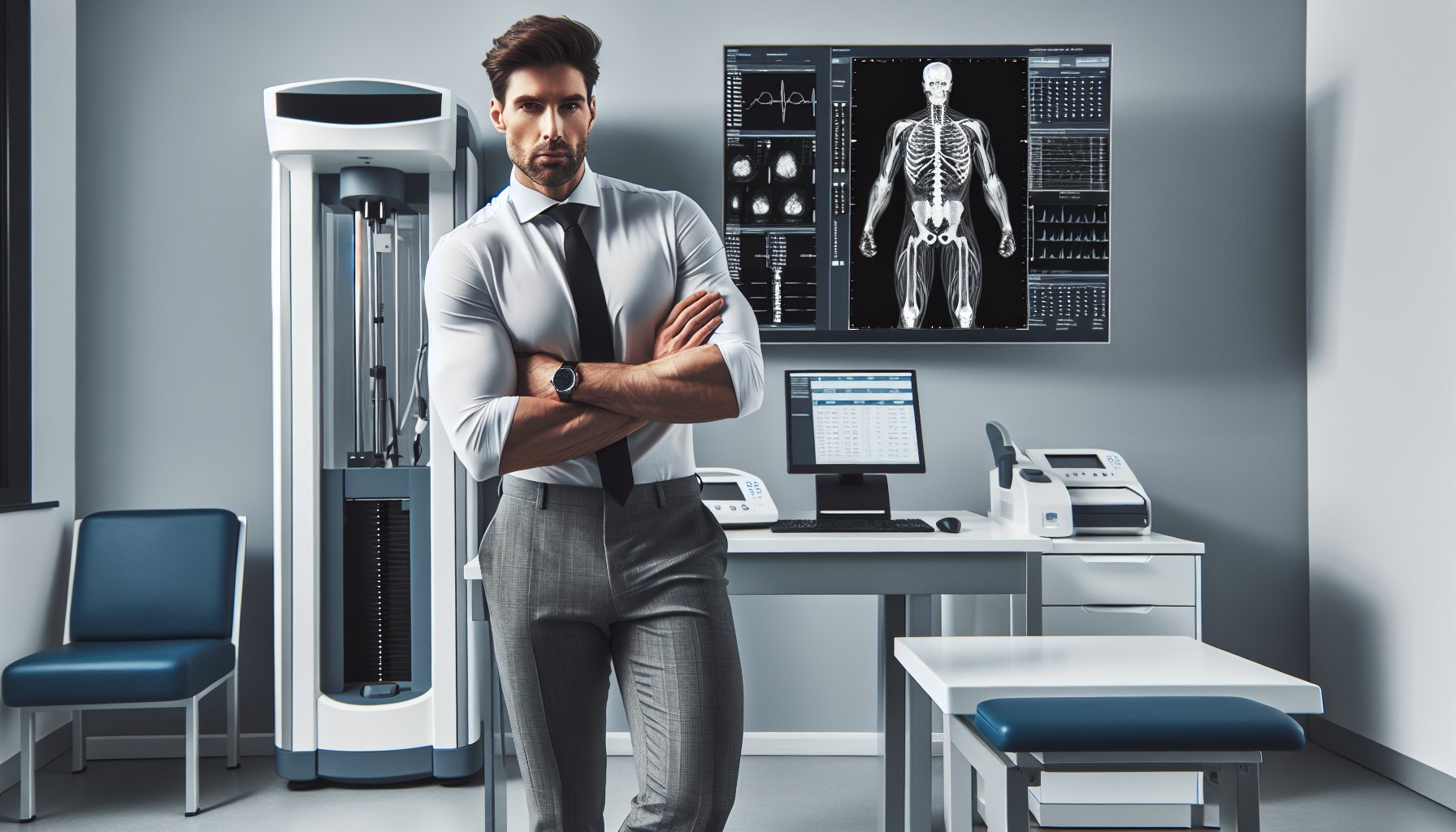
Accurate body fat measurement requires understanding the strengths and limitations of various assessment methods. DEXA (Dual-Energy X-ray Absorptiometry) scans represent the gold standard for body composition analysis, providing detailed breakdowns of bone density, lean mass, and fat distribution throughout the body. These scans offer precision within 1-2% and can track changes over time with exceptional accuracy. However, DEXA scans require specialized equipment and professional administration, making them less accessible for regular monitoring.
Bioelectrical impedance scales, commonly found in homes and gyms, offer convenience but variable accuracy depending on hydration status, meal timing, and device quality. These scales send electrical currents through the body, measuring resistance to estimate body composition. While useful for tracking trends over time, they can show significant day-to-day variations unrelated to actual body fat changes. Professional-grade impedance devices used in clinical settings provide better accuracy than consumer versions.
Caliper Measurements and Navy Method Accuracy
Skinfold caliper measurements, when performed by trained professionals, can achieve accuracy within 3-4% of DEXA scan results. This method involves measuring skinfold thickness at specific body sites and applying mathematical formulas to estimate total body fat percentage. The three-site method for men typically measures chest, abdominal, and thigh skinfolds. Consistency in measurement technique and site selection is crucial for reliable results, making professional administration preferable to self-measurement.
The Navy method uses circumference measurements of the neck and waist, combined with height, to estimate body fat percentage through established formulas. This method offers reasonable accuracy for population-level assessments but may be less precise for individuals with unusual fat distribution patterns or significant muscle mass. The Navy method tends to underestimate body fat in very lean individuals and overestimate in those with higher muscle mass. Despite these limitations, it provides a practical option for regular monitoring when other methods aren’t available.
Setting Realistic Body Fat Goals and Expectations
Establishing realistic body fat goals requires honest assessment of current status, genetic predisposition, and lifestyle factors. Men beginning their fitness journey should focus on gradual, sustainable reductions rather than dramatic short-term changes. A realistic rate of body fat reduction ranges from 0.5-1% per month when combining proper nutrition with consistent exercise. This timeline allows for muscle preservation while creating the caloric deficit necessary for fat loss.
Genetic factors play a significant role in determining how easily men can achieve and maintain specific body fat percentages. Some individuals naturally maintain lower body fat levels with minimal effort, while others must work considerably harder to achieve the same results. Age, metabolism, hormone levels, and fat distribution patterns all influence the feasibility of reaching particular body fat targets. Men should focus on personal progress rather than comparing themselves to others or unrealistic media representations.
Sustainable Lifestyle Approaches
Sustainable body fat management requires lifestyle approaches that can be maintained long-term rather than extreme short-term interventions. Men who successfully maintain optimal body fat percentages typically develop consistent daily habits around nutrition, exercise, sleep, and stress management. These habits become automatic behaviors rather than conscious efforts, making maintenance feel natural rather than restrictive. The most successful approaches allow for social flexibility while maintaining overall consistency in healthy choices.
The psychological aspect of body fat management often determines long-term success more than technical knowledge about nutrition or exercise. Men who develop healthy relationships with food, realistic body image expectations, and intrinsic motivation for health rather than appearance tend to maintain their results more effectively. Building a support system, whether through family, friends, or fitness communities, provides accountability and encouragement during challenging periods. Professional guidance from qualified trainers, nutritionists, or healthcare providers can provide personalized strategies for individual circumstances.
Frequently Asked Questions
What is a healthy body fat percentage for men?
A healthy body fat percentage for men typically ranges from 10-20%, depending on age and individual factors. Men in their twenties can maintain 11-18%, while those in their forties may have healthy ranges of 14-21%. The optimal range for most men falls between 12-17% for both health and aesthetic benefits.
What does 15% body fat look like on a man?
At 15% body fat, men display a lean, athletic appearance with visible muscle definition in the arms, shoulders, and chest. The abdominal muscles show good tone with abs outlined but not sharply defined. This level represents an excellent balance between aesthetics and sustainable health.
How do you measure body fat percentage at home?
Home measurement options include bioelectrical impedance scales, skinfold calipers, and the Navy method using circumference measurements. While convenient, these methods are less accurate than professional DEXA scans. Consistency in measurement conditions and technique is crucial for tracking progress over time.
Is 10% body fat sustainable for men?
10% body fat is sustainable for some men with excellent genetics, consistent training, and strict nutrition habits. However, it requires significant lifestyle dedication and may not be realistic or healthy for everyone long-term. Most men find 12-15% more sustainable while still achieving excellent health and appearance benefits.
What body fat percentage can you see abs?
Most men begin to see abdominal muscle definition around 15% body fat, with more pronounced visibility at 12% and below. Individual genetics, muscle development, and fat distribution patterns influence when abs become visible. Some men may see abs at higher percentages, while others need to reach lower levels.
Ready to Optimize Your Body Composition?
Understanding your body fat percentage is just the first step toward achieving your health and fitness goals. Professional guidance can help you develop a personalized plan for reaching and maintaining your optimal body composition safely and sustainably. Contact our team of certified fitness professionals and nutritionists to create a customized approach that fits your lifestyle, goals, and individual needs. Take the guesswork out of your transformation and start your journey toward optimal health today.


