


Understanding Belly Fat: Visceral vs Subcutaneous Fat
When learning how to lose belly fat, understanding the two distinct types of abdominal fat becomes crucial for developing an effective strategy. Visceral fat wraps around your internal organs deep within the abdominal cavity, while subcutaneous fat sits directly beneath your skin. Visceral fat poses significantly greater health risks, actively producing inflammatory compounds and hormones that interfere with normal bodily functions. This dangerous fat type increases your risk of cardiovascular disease, type 2 diabetes, and metabolic syndrome. Research published in the Journal of Clinical Investigation shows that visceral fat produces cytokines that promote insulin resistance and chronic inflammation throughout the body. Men typically accumulate more visceral fat than women, particularly after age 30, making targeted approaches essential for long-term health and physique goals.
Subcutaneous belly fat, while less metabolically active than visceral fat, still contributes to the appearance of a protruding midsection and can impact self-confidence. This type of fat responds differently to diet and exercise interventions compared to visceral fat. Subcutaneous fat tends to be more stubborn and requires consistent caloric deficits over extended periods to reduce significantly. However, subcutaneous fat doesn’t carry the same severe health implications as visceral fat. Men often struggle with both types simultaneously, creating the classic ‘beer belly’ appearance that combines deep visceral accumulation with surface-level subcutaneous deposits. Understanding this distinction helps explain why some men can reduce waist circumference quickly while others see slower visual changes despite making identical lifestyle modifications.
The Health Risks of Excess Belly Fat
Excess belly fat creates a cascade of metabolic disruptions that extend far beyond aesthetic concerns. Visceral fat acts as an endocrine organ, secreting hormones and inflammatory markers that interfere with insulin sensitivity and glucose metabolism. Men with waist circumferences exceeding 40 inches face dramatically increased risks of developing type 2 diabetes, with studies showing a 300% higher likelihood compared to men with smaller waist measurements. The inflammatory compounds produced by visceral fat, including tumor necrosis factor-alpha and interleukin-6, create systemic inflammation that damages blood vessels and promotes atherosclerosis. This explains why abdominal obesity strongly correlates with heart disease risk, even in men who maintain normal overall body weight. Research from Harvard Medical School demonstrates that men with high visceral fat levels show elevated C-reactive protein markers, indicating chronic low-grade inflammation throughout their cardiovascular system.
The hormonal disruptions caused by excess belly fat create a vicious cycle that makes further fat accumulation more likely. Visceral fat increases cortisol production while simultaneously reducing testosterone levels in men. Lower testosterone contributes to decreased muscle mass, reduced metabolic rate, and increased fat storage, particularly in the abdominal region. Additionally, excess belly fat impairs sleep quality by contributing to sleep apnea and breathing difficulties, which further elevates cortisol and disrupts recovery processes. The psychological impact cannot be ignored either, as men with significant belly fat often experience reduced confidence, social anxiety, and decreased quality of life. Studies published in the American Journal of Epidemiology show that men with large waist circumferences report higher rates of depression and anxiety compared to their leaner counterparts, creating mental health challenges that can sabotage weight loss efforts.
Caloric Deficit Fundamentals for Losing Belly Fat
Creating a sustainable caloric deficit remains the cornerstone of any successful belly fat loss strategy. Your body burns belly fat when it requires more energy than you provide through food intake, forcing it to tap into stored fat reserves for fuel. Research consistently shows that a moderate deficit of 300-500 calories below your total daily energy expenditure produces optimal fat loss while preserving lean muscle mass. Aggressive deficits exceeding 750 calories daily often backfire by triggering metabolic adaptations that slow fat burning and increase hunger hormones like ghrelin. Men typically require 2,200-2,800 calories daily for maintenance, depending on age, activity level, and body composition. Creating your deficit through a combination of dietary modifications and increased physical activity proves more sustainable than extreme calorie restriction alone. Studies from the American Journal of Clinical Nutrition demonstrate that men who combine moderate calorie reduction with regular exercise maintain higher metabolic rates and lose fat more efficiently than those relying solely on dietary restriction.
The quality of your caloric deficit matters as much as the quantity when targeting belly fat specifically. Consuming adequate protein becomes critical during caloric restriction, as protein helps preserve muscle mass while providing superior satiety compared to carbohydrates or fats. Research shows that men consuming 1.2-1.6 grams of protein per kilogram of body weight during caloric deficits maintain significantly more muscle mass than those consuming standard protein recommendations. Additionally, protein’s high thermic effect means your body burns approximately 25-30% of protein calories during digestion and metabolism, compared to only 5-10% for carbohydrates and 0-5% for fats. This metabolic advantage makes protein particularly valuable for men seeking to lose belly fat efficiently. Timing your caloric deficit appropriately also influences success rates, with research suggesting that consistent daily deficits work better than extreme restriction followed by overeating cycles.
Calculating Your Personal Caloric Needs
Determining your individual caloric requirements requires accounting for multiple factors including age, weight, height, activity level, and metabolic health status. The Harris-Benedict equation provides a starting point for estimating basal metabolic rate, but modern formulas like the Mifflin-St Jeor equation offer improved accuracy for most men. Your basal metabolic rate represents the calories needed for basic physiological functions at rest, typically accounting for 60-70% of total daily energy expenditure. Physical activity, including both structured exercise and non-exercise activity thermogenesis, contributes an additional 15-30% of daily caloric needs. The thermic effect of food processing adds another 8-10% to your total requirements. Men engaged in regular resistance training often require 200-400 additional calories daily to support recovery and muscle protein synthesis. Using fitness trackers or metabolic testing can provide more precise measurements, but starting with calculated estimates and adjusting based on weekly weight changes proves effective for most individuals seeking to lose belly fat.
The Power of Protein for Belly Fat Loss
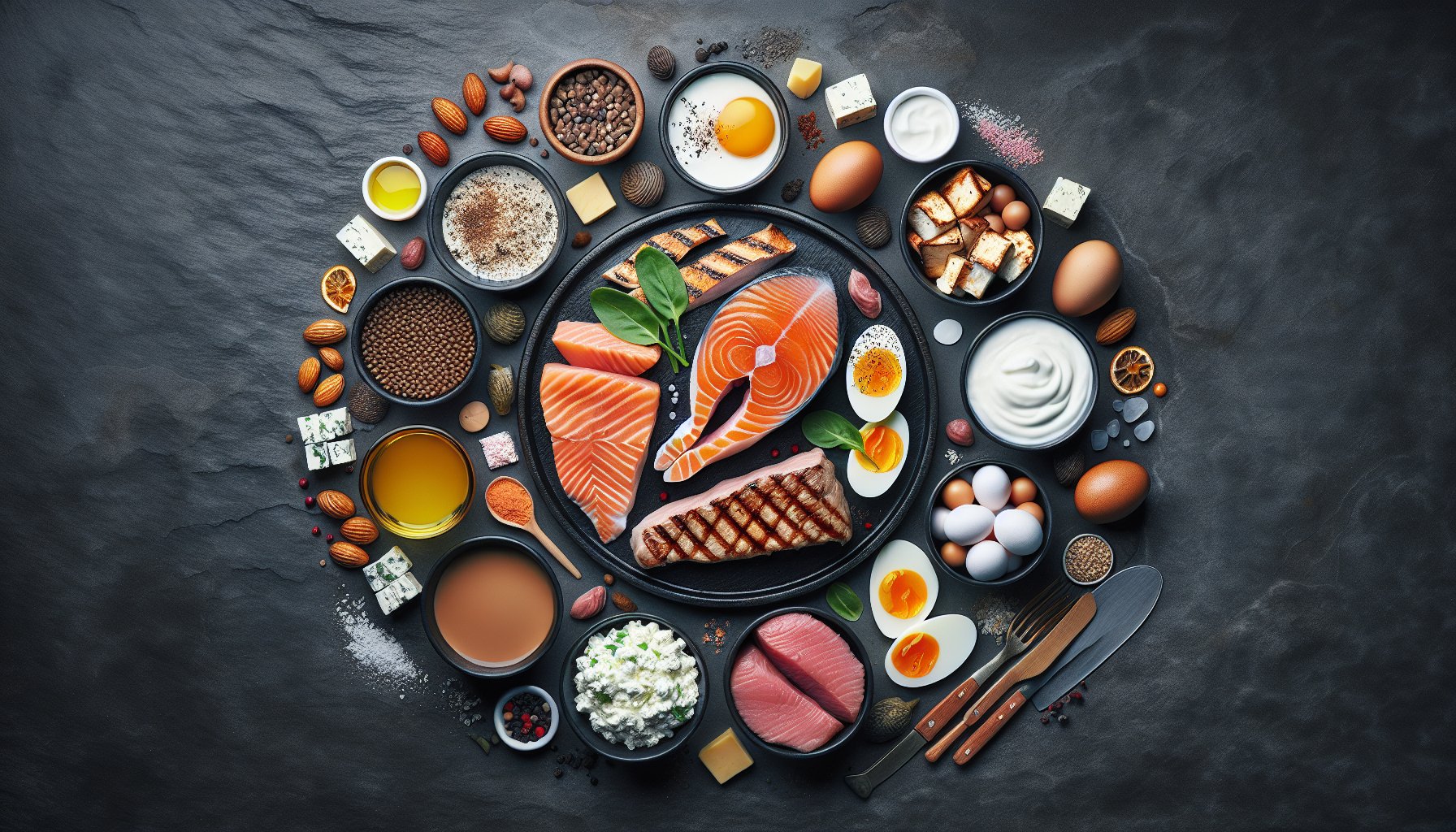
Protein consumption plays a uniquely powerful role in belly fat reduction through multiple biological mechanisms that extend beyond simple calorie counting. The thermic effect of protein requires your body to burn significantly more energy during digestion compared to other macronutrients, effectively increasing your metabolic rate for hours after eating. Research published in the American Journal of Physiology shows that protein meals can increase energy expenditure by 20-35% for 3-6 hours post-consumption. This metabolic boost becomes particularly valuable for men in caloric deficits, as it helps counteract the natural slowdown in metabolic rate that occurs during weight loss. Additionally, protein triggers the release of satiety hormones including GLP-1, CCK, and PYY while simultaneously suppressing ghrelin production. These hormonal changes reduce hunger and cravings, making it easier to maintain the consistent caloric deficit necessary for belly fat loss. Studies demonstrate that men consuming high-protein diets report significantly less hunger and fewer food cravings compared to those following standard protein recommendations.
The muscle-preserving effects of adequate protein intake become crucial during belly fat loss phases, as maintaining lean muscle mass directly impacts your metabolic rate and body composition. Each pound of muscle tissue burns approximately 6-7 calories per day at rest, while fat tissue burns only 2-3 calories daily. Men who consume insufficient protein during weight loss can lose up to 25% of their total weight from muscle tissue, significantly slowing their metabolism and making long-term fat loss maintenance more difficult. Research from the International Journal of Obesity shows that men consuming 1.6 grams of protein per kilogram of body weight during caloric restriction maintain 95% of their muscle mass, compared to only 80% retention in men consuming standard protein amounts. High-quality protein sources including lean meats, fish, eggs, and dairy products provide complete amino acid profiles that optimize muscle protein synthesis. Plant-based proteins can be equally effective when properly combined to provide all essential amino acids.
Optimal Protein Timing and Distribution
Distributing protein intake evenly throughout the day maximizes its belly fat loss benefits by maintaining elevated protein synthesis rates and sustained satiety. Research indicates that consuming 25-40 grams of high-quality protein every 3-4 hours optimizes muscle protein synthesis while providing consistent appetite control. Men who front-load their protein intake at breakfast show improved satiety throughout the day and reduced evening snacking behaviors. Studies from the Journal of Nutrition demonstrate that starting the day with 30-35 grams of protein significantly reduces afternoon and evening caloric intake compared to carbohydrate-heavy breakfast options. Post-workout protein consumption within 2 hours of resistance training enhances recovery and muscle preservation during caloric deficits. However, total daily protein intake matters more than precise timing for most men, making consistency and adequate amounts the primary priorities for successful belly fat reduction.
Sleep Quality and Cortisol Management
Sleep quality profoundly impacts belly fat accumulation and loss through complex hormonal pathways that regulate metabolism, appetite, and fat storage patterns. Chronic sleep deprivation elevates cortisol levels, a stress hormone that promotes visceral fat storage while simultaneously breaking down muscle tissue. Research from the University of Chicago shows that men sleeping less than 6 hours nightly lose 55% less fat during caloric restriction compared to those getting 8+ hours of sleep, despite identical caloric deficits. Sleep deprivation also disrupts leptin and ghrelin production, the primary hormones controlling hunger and satiety. Men with poor sleep quality show decreased leptin sensitivity, making them feel hungry even when energy stores are adequate, while elevated ghrelin levels increase cravings for high-calorie foods. The combination creates a perfect storm for belly fat accumulation and makes weight loss significantly more challenging. Studies published in Sleep Medicine Reviews demonstrate that improving sleep quality to 7-9 hours nightly can increase fat loss rates by 20-30% even without other lifestyle changes.
Cortisol management extends beyond sleep optimization to include stress reduction techniques and lifestyle modifications that support healthy hormone balance. Chronic psychological stress triggers persistent cortisol elevation, which directly promotes visceral fat storage through increased lipoprotein lipase activity in abdominal fat cells. Men with high-stress jobs or personal situations often struggle with belly fat despite maintaining good diet and exercise habits. Effective stress management techniques including meditation, deep breathing exercises, regular physical activity, and adequate social support can significantly reduce cortisol levels. Research from Harvard Medical School shows that men practicing stress reduction techniques for 8 weeks experience measurable decreases in cortisol production and corresponding reductions in waist circumference. Additionally, avoiding excessive caffeine intake, particularly in the afternoon and evening, helps prevent cortisol spikes that can interfere with sleep quality and fat loss progress. Maintaining consistent sleep and wake times, even on weekends, supports healthy circadian rhythms that optimize hormone production and metabolic function.
Creating an Optimal Sleep Environment
Environmental factors significantly influence sleep quality and subsequent hormone balance critical for belly fat loss. Maintaining bedroom temperatures between 65-68°F promotes deeper sleep stages and improved recovery, while complete darkness triggers optimal melatonin production. Blue light exposure from electronic devices within 2 hours of bedtime suppresses melatonin release and delays sleep onset, making it harder to achieve the 7-9 hours necessary for optimal fat loss. Men who eliminate screens from their bedroom and use blackout curtains report improved sleep quality and faster weight loss progress. Additionally, investing in a comfortable mattress and pillows reduces sleep disruptions that can trigger cortisol spikes throughout the night. Research from the Sleep Foundation shows that men sleeping in optimized environments lose fat 15-20% faster than those with poor sleep hygiene, even when following identical diet and exercise programs.
Alcohol’s Impact on Belly Fat Accumulation
Alcohol consumption significantly impairs belly fat loss through multiple metabolic pathways that extend far beyond its caloric content. When you consume alcohol, your liver prioritizes metabolizing ethanol over burning stored fat, effectively shutting down fat oxidation for several hours after drinking. This metabolic shift forces your body to store incoming calories from food as fat rather than using them for energy, with preferential storage occurring in the abdominal region. Research published in the European Journal of Clinical Nutrition shows that men consuming moderate amounts of alcohol (2-3 drinks) can experience suppressed fat burning for up to 12 hours post-consumption. Additionally, alcohol disrupts sleep architecture by reducing REM sleep and increasing sleep fragmentation, leading to elevated cortisol levels and impaired recovery. The combination of suppressed fat burning, disrupted sleep, and increased cortisol creates an environment highly conducive to visceral fat accumulation. Men who eliminate alcohol during active fat loss phases typically see 25-40% faster progress compared to those who continue drinking regularly.
The hormonal disruptions caused by alcohol consumption create additional challenges for men seeking to lose belly fat. Alcohol suppresses testosterone production while simultaneously increasing estrogen levels through enhanced aromatase activity. Lower testosterone reduces muscle mass and metabolic rate while promoting fat storage, particularly in the abdominal region. Chronic alcohol consumption also impairs insulin sensitivity, making it more difficult for your body to properly utilize carbohydrates and increasing the likelihood of storing them as fat. Studies from the Journal of Clinical Endocrinology show that men consuming more than 14 drinks weekly have significantly lower testosterone levels and higher body fat percentages compared to moderate or non-drinkers. The empty calories in alcohol provide no nutritional value while triggering increased appetite and poor food choices. Research demonstrates that men consume an average of 300-500 additional calories from food when drinking alcohol, often in the form of high-calorie, processed options that further promote belly fat accumulation.
Resistance Training vs Cardio for Body Composition
Resistance training provides superior long-term benefits for belly fat loss compared to cardiovascular exercise alone, primarily through its ability to build and preserve lean muscle mass during caloric deficits. Muscle tissue remains metabolically active even at rest, burning 6-7 calories per pound daily compared to fat tissue’s 2-3 calories per pound. Men who prioritize resistance training during weight loss maintain significantly higher metabolic rates, making it easier to create and sustain the caloric deficits necessary for belly fat reduction. Research from the Journal of Applied Physiology shows that men following resistance training programs lose 40% more fat and preserve 85% more muscle mass compared to those doing cardio alone, even when total caloric expenditure remains equal. The afterburn effect from intense resistance training, known as excess post-exercise oxygen consumption (EPOC), can elevate metabolic rate for 12-24 hours post-workout. This extended calorie burning provides additional fat loss benefits that compound over time, making resistance training particularly effective for targeting stubborn belly fat.
While cardiovascular exercise certainly contributes to overall caloric expenditure and health benefits, relying solely on cardio for belly fat loss often proves counterproductive for men. Extended periods of moderate-intensity cardio can actually promote muscle loss, particularly when combined with caloric restriction. This muscle loss slows metabolic rate and makes long-term weight maintenance more difficult. Additionally, the body quickly adapts to steady-state cardio by becoming more efficient, requiring progressively longer sessions to maintain the same caloric burn. Research from the American College of Sports Medicine demonstrates that men who combine resistance training with moderate cardio achieve optimal body composition changes, losing more fat while gaining or maintaining muscle mass. The ideal approach involves 3-4 resistance training sessions weekly focusing on compound movements, supplemented by 2-3 moderate cardio sessions for cardiovascular health and additional caloric expenditure. High-intensity interval training (HIIT) can provide cardiovascular benefits while minimizing muscle loss, making it a valuable addition to resistance-focused programs.

Programming Resistance Training for Fat Loss
Effective resistance training programs for belly fat loss emphasize compound movements that engage multiple muscle groups simultaneously, maximizing caloric expenditure and muscle stimulation. Exercises like squats, deadlifts, rows, and presses recruit large amounts of muscle tissue, creating significant metabolic demands that promote fat burning both during and after workouts. Men should focus on moderate to heavy loads (70-85% of one-rep max) for 6-12 repetitions per set, as this intensity range optimally stimulates muscle growth while creating substantial energy demands. Training frequency of 3-4 sessions weekly allows adequate recovery while maintaining consistent metabolic stimulation. Progressive overload remains crucial, as gradually increasing weights, repetitions, or training volume ensures continued adaptation and prevents plateaus. Research from the International Journal of Sport Nutrition shows that men following progressive resistance programs lose fat 30% faster than those using static routines, highlighting the importance of systematic progression for optimal belly fat reduction.
Nutritional Strategies Beyond Caloric Deficits
While maintaining a caloric deficit remains fundamental for belly fat loss, specific nutritional strategies can significantly enhance fat burning and improve body composition outcomes. Meal timing and macronutrient distribution influence hormonal responses that affect fat storage and mobilization patterns. Research shows that men who consume larger meals earlier in the day and smaller meals in the evening lose more belly fat compared to those following opposite patterns, even with identical total caloric intake. This occurs because insulin sensitivity naturally decreases throughout the day, making morning carbohydrate consumption more likely to be used for energy rather than stored as fat. Additionally, incorporating intermittent fasting protocols can improve insulin sensitivity and increase fat oxidation rates. Studies from the Journal of Translational Medicine demonstrate that men following 16:8 intermittent fasting patterns lose 3-8% more belly fat compared to those eating throughout the day, while maintaining similar muscle mass and metabolic rate.
Specific nutrients and food choices can further optimize belly fat loss through their effects on metabolism, satiety, and fat oxidation. Fiber-rich foods require additional energy for digestion while promoting satiety and stabilizing blood sugar levels. Men consuming 35-40 grams of fiber daily report significantly less hunger and achieve greater fat loss compared to those consuming standard amounts. Healthy fats from sources like avocados, nuts, olive oil, and fatty fish support hormone production and improve satiety, making it easier to maintain caloric deficits. Research published in Diabetes Care shows that men following Mediterranean-style eating patterns lose more visceral fat specifically, likely due to the anti-inflammatory effects of monounsaturated fats and omega-3 fatty acids. Green tea consumption provides catechins and caffeine that can increase fat oxidation by 10-15%, while spicy foods containing capsaicin temporarily boost metabolic rate. However, these effects remain modest compared to maintaining proper caloric balance and adequate protein intake.
Hydration and Belly Fat Loss
Adequate hydration plays a crucial yet often overlooked role in optimizing belly fat loss through multiple physiological mechanisms. Proper hydration supports optimal metabolic function, as even mild dehydration can reduce metabolic rate by 2-3% and impair fat oxidation. Water consumption before meals increases satiety and reduces caloric intake, with studies showing that men who drink 16-20 ounces of water before eating consume 75-100 fewer calories per meal. Additionally, replacing caloric beverages with water eliminates hidden calories that often sabotage fat loss efforts. Many men consume 200-400 calories daily from sodas, juices, and other beverages without realizing their impact on belly fat accumulation. Cold water consumption may provide a small metabolic boost as your body expends energy to warm the water to body temperature, though this effect remains minimal compared to other factors. The key lies in consistent hydration throughout the day, aiming for pale yellow urine as an indicator of adequate fluid status.
Frequently Asked Questions
How long does it take to lose belly fat for men?
Most men can expect to see noticeable belly fat reduction within 4-8 weeks of consistent caloric deficit and proper training. Visceral fat typically responds faster than subcutaneous fat, with significant health improvements occurring within the first month. Complete transformation may take 3-6 months depending on starting body fat levels and adherence to the program.
Can you lose belly fat without losing weight overall?
While you cannot spot-reduce fat from specific areas, men can improve body composition by losing fat while gaining muscle simultaneously. This recomposition process may not show dramatic scale changes but results in reduced waist circumference and improved appearance. However, most men will need to lose overall body weight to achieve significant belly fat reduction.
What foods burn belly fat fastest for men?
No specific foods directly burn belly fat, but protein-rich foods, fiber-rich vegetables, and foods with thermogenic properties like green tea and spicy peppers can support fat loss efforts. The key is maintaining a caloric deficit while choosing nutrient-dense foods that promote satiety and metabolic health rather than focusing on supposed ‘fat-burning’ foods.
Is belly fat harder to lose after age 40?
Men over 40 face additional challenges including declining testosterone levels, slower metabolism, and increased stress, which can make belly fat loss more difficult. However, the same principles of caloric deficit, resistance training, and adequate protein remain effective. Focusing on sleep quality, stress management, and consistent habits becomes increasingly important with age.
Should men do cardio or weights to lose belly fat?
Resistance training should be the priority for men seeking to lose belly fat, as it preserves muscle mass and maintains metabolic rate during weight loss. Adding moderate cardio can increase total caloric expenditure, but shouldn’t replace resistance training. The optimal approach combines 3-4 weight training sessions with 2-3 cardio sessions weekly.
Ready to Transform Your Health and Physique?
Losing belly fat requires more than generic advice—it demands a personalized approach based on your unique situation, goals, and lifestyle. Our expert team can help you develop a comprehensive strategy that addresses nutrition, training, sleep, and stress management for optimal results. Don’t let another month pass wondering what might work. Contact us today to schedule your consultation and take the first step toward the lean, healthy physique you deserve.


