


The Reality of Sleeping 6 Hours a Night
Millions of men operate under the belief that sleeping 6 hours a night makes them productive warriors, grinding through life with minimal rest. This mindset has become deeply embedded in modern culture, where sleep is viewed as weakness rather than biological necessity. Research consistently shows that adults need 7-9 hours of quality sleep per night, yet approximately 35% of American men regularly get less than 7 hours. The consequences extend far beyond feeling groggy the next morning. When you consistently limit yourself to 6 hours of sleep, your body enters a state of chronic sleep deprivation that affects every system from hormone production to immune function. The ‘I function fine on 6 hours’ narrative represents one of the most dangerous health myths perpetuated in professional environments.
Sleep deprivation effects compound over time, creating a cascade of physiological disruptions that most men fail to recognize. Your brain requires adequate sleep to consolidate memories, clear metabolic waste, and restore neurotransmitter balance. When you consistently shortchange this process, cognitive performance deteriorates in ways that are often subtle but measurable. Studies using cognitive testing batteries show that people sleeping 6 hours per night for two weeks perform as poorly as those who stayed awake for 48 hours straight. The insidious nature of chronic sleep loss means you adapt to feeling suboptimal, mistaking impaired function for your baseline normal. This adaptation mechanism prevents you from recognizing the true cost of insufficient sleep until the damage becomes undeniable.
How Much Sleep Do Men Need for Optimal Health
Men require 7-9 hours of sleep per night for optimal physiological function, with individual variation based on age, activity level, and genetic factors. The National Sleep Foundation’s research indicates that men aged 26-64 need approximately 7-9 hours, while those over 65 may function well on 7-8 hours. However, these recommendations represent minimum thresholds rather than optimal targets. Men engaged in intense physical training, high-stress careers, or recovery from illness often require sleep at the upper end of this range. The quality of sleep matters as much as quantity, with deep sleep stages being particularly crucial for hormone production and cellular repair. Men who consistently sleep 8-9 hours report better mood stability, enhanced physical performance, and improved cognitive function compared to those averaging 6-7 hours.
Age significantly influences sleep architecture and requirements, with younger men typically needing more sleep than their older counterparts. Men in their twenties and thirties often require closer to 8-9 hours to support peak testosterone production and muscle recovery. As men age, sleep becomes more fragmented, and the percentage of deep sleep decreases, making sleep efficiency more important than total time in bed. Shift workers, frequent travelers, and men with irregular schedules face additional challenges in meeting sleep requirements. The modern lifestyle often conflicts with natural circadian rhythms, making it crucial to prioritize sleep hygiene and create consistent sleep schedules. Understanding your individual sleep needs requires paying attention to how you feel and perform after different amounts of sleep rather than accepting societal expectations about sleep duration.
Sleep and Testosterone Production
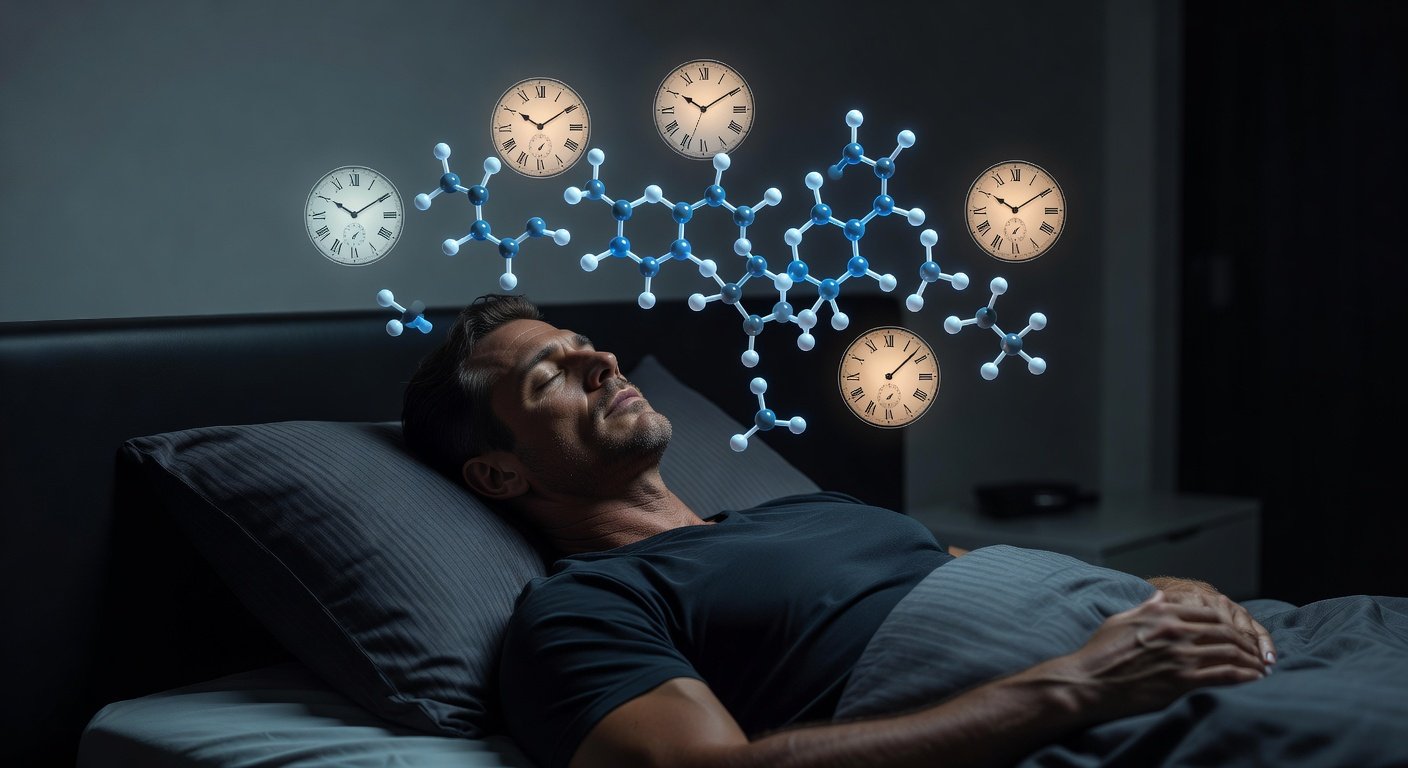
Sleep restriction to 6 hours per night can reduce testosterone levels by 10-15% within just one week, according to research published in the Journal of the American Medical Association. Testosterone production follows a circadian rhythm, with the highest levels occurring during deep sleep phases in the early morning hours. When you consistently limit sleep, you truncate these crucial production windows, leading to chronically suppressed hormone levels. Men sleeping less than 6 hours per night show testosterone levels comparable to men 10-15 years older. This hormonal disruption affects muscle mass, bone density, mood regulation, and sexual function. The relationship between sleep and testosterone is bidirectional, as low testosterone can also contribute to sleep disturbances, creating a vicious cycle that becomes increasingly difficult to break without intervention.
Cognitive Performance and Brain Function
Sleeping 6 hours a night severely compromises cognitive performance across multiple domains including attention, working memory, and executive function. The prefrontal cortex, responsible for decision-making and impulse control, is particularly vulnerable to sleep deprivation. Research using functional MRI scans shows decreased activity in these brain regions after just one week of 6-hour sleep schedules. Men report difficulty concentrating, increased irritability, and poor judgment when chronically sleep-deprived. The brain’s glymphatic system, which clears metabolic waste including amyloid plaques associated with Alzheimer’s disease, operates primarily during deep sleep. Insufficient sleep impairs this cleaning process, potentially accelerating cognitive decline and increasing neurodegenerative disease risk. Memory consolidation also suffers, as the brain requires adequate sleep to transfer information from short-term to long-term storage.
Reaction times slow significantly with sleep restriction, increasing accident risk during driving and other activities requiring quick responses. Studies show that sleeping 6 hours per night for two weeks impairs reaction time equivalent to having a blood alcohol level of 0.05%. The ability to learn new skills and adapt to changing circumstances diminishes markedly with chronic sleep loss. Men in demanding careers often notice decreased creativity and problem-solving abilities when operating on insufficient sleep. Emotional regulation becomes more difficult, leading to increased stress responses and difficulty managing workplace conflicts. The cumulative effect of these cognitive impairments can significantly impact career advancement and personal relationships, making adequate sleep a crucial investment in long-term success.
Memory and Learning Impacts
Sleep plays a fundamental role in memory consolidation, with different sleep stages contributing to various types of learning. Slow-wave sleep helps consolidate declarative memories, while REM sleep is crucial for procedural learning and emotional memory processing. When you limit sleep to 6 hours, you reduce the time available for these essential processes, leading to impaired retention of new information. Men studying for professional certifications or learning new skills will find their progress significantly hampered by insufficient sleep. The hippocampus, the brain’s primary memory formation center, shows reduced activity and structural changes with chronic sleep deprivation. This can lead to difficulty forming new memories and retrieving existing ones, affecting both work performance and personal life quality.
Physical Health Consequences
Chronic sleep restriction to 6 hours per night triggers a cascade of physical health problems that extend far beyond fatigue. The immune system becomes significantly compromised, with sleep-deprived individuals showing 50% lower antibody responses to vaccines compared to well-rested counterparts. This increased susceptibility to infections means more frequent illnesses and longer recovery times. Inflammation markers increase substantially with insufficient sleep, contributing to cardiovascular disease risk and accelerated aging. Blood pressure regulation becomes impaired, with even young, healthy men showing elevated readings after periods of sleep restriction. The body’s ability to regulate blood sugar also deteriorates, with insulin sensitivity decreasing by up to 30% after just four nights of 6-hour sleep. These metabolic disruptions increase the risk of type 2 diabetes and weight gain.
Muscle recovery and protein synthesis slow dramatically when sleep is insufficient, making it nearly impossible to build or maintain lean muscle mass effectively. Growth hormone production, which peaks during deep sleep, becomes severely compromised with sleep restriction. This hormonal disruption affects tissue repair, bone density, and overall physical recovery from exercise and daily stress. Men who exercise regularly while sleeping only 6 hours per night often find their performance plateauing or declining despite consistent training. The stress hormone cortisol remains elevated with chronic sleep loss, promoting muscle breakdown and fat storage, particularly around the midsection. Appetite regulation also becomes disrupted, with increased production of ghrelin (hunger hormone) and decreased leptin (satiety hormone), leading to overeating and weight gain.
Cardiovascular and Metabolic Effects
The cardiovascular system bears a significant burden when sleep is consistently limited to 6 hours per night. Heart rate variability decreases, indicating reduced autonomic nervous system flexibility and increased stress on the cardiovascular system. Blood pressure regulation becomes impaired, with both systolic and diastolic pressures showing elevation even in previously healthy individuals. The risk of developing hypertension increases by 37% in men who regularly sleep less than 6 hours compared to those getting 7-8 hours. Inflammatory markers such as C-reactive protein and interleukin-6 increase with sleep deprivation, contributing to atherosclerosis and cardiovascular disease progression. The combination of elevated blood pressure, increased inflammation, and hormonal disruptions creates a perfect storm for heart disease development, making adequate sleep crucial for cardiovascular health maintenance.
Debunking the ‘I Function Fine’ Myth
The belief that you can function optimally on 6 hours of sleep represents a dangerous form of self-deception that affects millions of men worldwide. Research consistently shows that people adapt to chronic sleep deprivation by lowering their performance standards rather than maintaining optimal function. This adaptation mechanism creates a false sense of normalcy, where impaired cognitive and physical performance becomes accepted as baseline function. Objective testing reveals significant deficits in reaction time, memory, and decision-making abilities even when individuals report feeling fine. The phenomenon, known as ‘performance erosion without awareness,’ means you cannot accurately assess your own impairment when sleep-deprived. Studies using driving simulators and cognitive testing batteries demonstrate clear performance decrements that participants fail to recognize or acknowledge.
The cultural glorification of sleep deprivation in professional environments reinforces this myth, creating peer pressure to minimize sleep needs. Men often compete over who needs less sleep, viewing rest as weakness rather than biological necessity. This toxic mindset ignores the substantial body of research demonstrating that well-rested individuals consistently outperform their sleep-deprived counterparts across virtually every measurable domain. Companies with cultures that promote adequate sleep report higher productivity, fewer errors, and reduced healthcare costs. The short-term gains from working longer hours are quickly offset by decreased efficiency, increased mistakes, and higher accident rates. Recognizing and challenging this myth is essential for making informed decisions about sleep prioritization and overall health optimization.
Practical Sleep Optimization Strategies
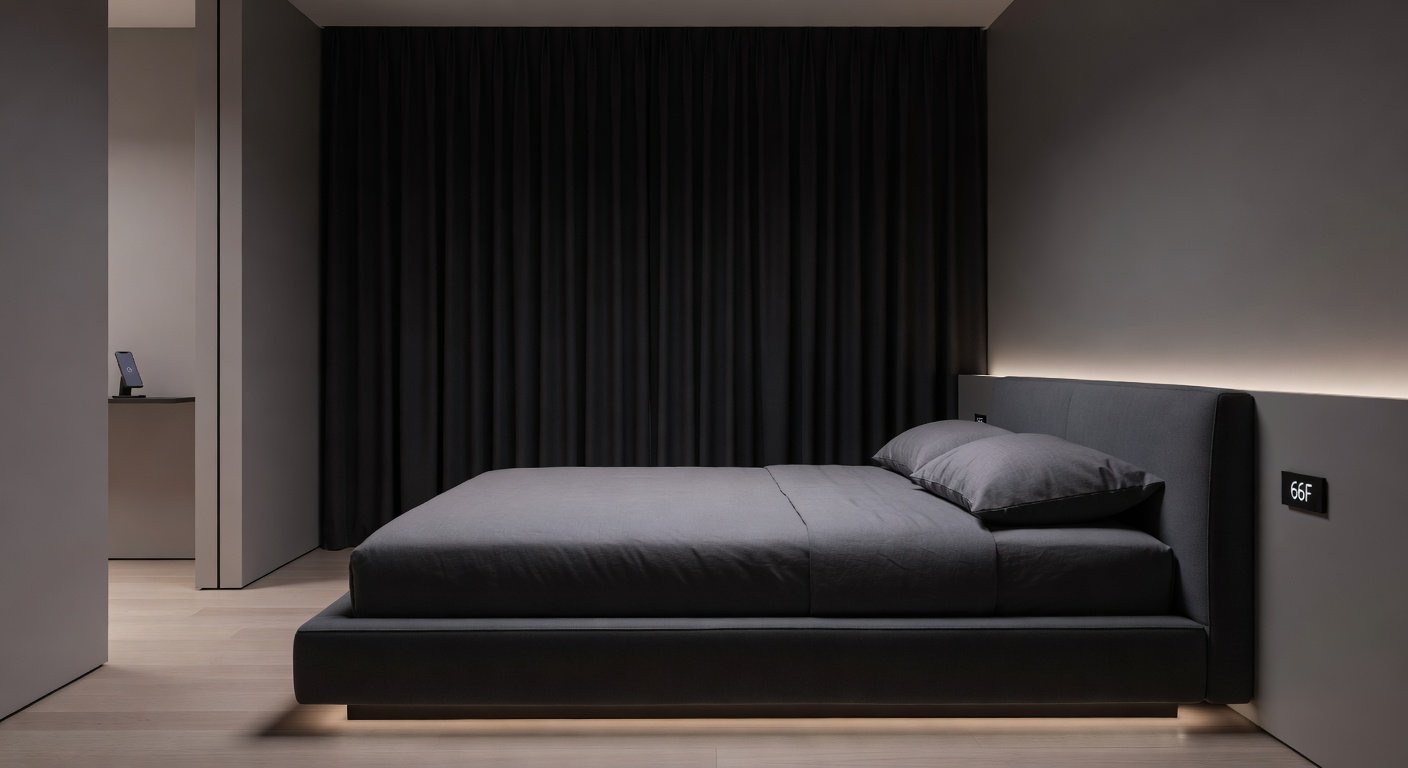
Creating an optimal sleep environment requires attention to multiple factors including temperature, light exposure, and bedroom setup. The ideal sleep temperature ranges between 65-68°F, as cooler temperatures facilitate the natural drop in core body temperature that signals sleep onset. Blackout curtains or eye masks eliminate light pollution that can disrupt circadian rhythms, while white noise machines or earplugs address sound disturbances. Investing in a quality mattress and pillows appropriate for your sleep position significantly impacts sleep quality and duration. Remove electronic devices from the bedroom or use blue light filtering glasses if screen use is unavoidable before bedtime. The bedroom should be reserved exclusively for sleep and intimacy, creating strong mental associations between the space and rest. Consider using a sleep tracking device to monitor sleep patterns and identify areas for improvement.
Establishing consistent sleep and wake times, even on weekends, helps regulate your circadian rhythm and improves sleep quality over time. Create a relaxing pre-sleep routine that begins 30-60 minutes before bedtime, including activities like reading, gentle stretching, or meditation. Avoid caffeine after 2 PM, as it can remain in your system for 6-8 hours and interfere with sleep onset. Limit alcohol consumption, particularly in the evening, as it disrupts sleep architecture and reduces deep sleep phases. Regular exercise improves sleep quality, but avoid intense workouts within 3-4 hours of bedtime. Expose yourself to bright light in the morning and throughout the day to reinforce natural circadian rhythms. If you cannot fall asleep within 20 minutes, leave the bedroom and engage in a quiet, non-stimulating activity until you feel sleepy.
Nutrition and Supplement Considerations
Certain nutrients and supplements can support better sleep quality when used appropriately as part of a comprehensive sleep optimization strategy. Magnesium plays a crucial role in muscle relaxation and nervous system regulation, with many men being deficient in this essential mineral. Foods rich in tryptophan, such as turkey, eggs, and cheese, can promote sleepiness when consumed as part of an evening meal. Avoid large meals within 3 hours of bedtime, as digestion can interfere with sleep onset and quality. Herbal teas like chamomile, valerian root, or passionflower have mild sedative properties that may help with relaxation. However, it’s important to consult with healthcare providers before starting any supplement regimen, as individual responses vary and some supplements can interact with medications or underlying health conditions.
Frequently Asked Questions
Is 6 hours of sleep enough for muscle recovery?
No, 6 hours of sleep is insufficient for optimal muscle recovery. Growth hormone production peaks during deep sleep phases, and muscle protein synthesis is significantly reduced with sleep restriction. Men need 7-9 hours of quality sleep to support proper muscle recovery and growth.
Does lack of sleep lower testosterone?
Yes, sleep restriction significantly lowers testosterone levels. Men sleeping less than 6 hours per night can experience a 10-15% reduction in testosterone within one week. This hormonal disruption affects muscle mass, mood, and sexual function.
How much sleep does a man need?
Men typically need 7-9 hours of sleep per night for optimal health and performance. Individual requirements vary based on age, activity level, and genetic factors, but most men function best with 8-9 hours of quality sleep.
Can you catch up on lost sleep?
While sleeping longer on weekends can help reduce some effects of sleep debt, you cannot fully compensate for chronic sleep loss. Consistent adequate sleep is more beneficial than attempting to ‘catch up’ after periods of deprivation.
Ready to Optimize Your Sleep and Health?
Transform your performance and well-being by prioritizing quality sleep. Our health experts can help you develop a personalized sleep optimization strategy that fits your lifestyle and goals. Contact us today to schedule a consultation and start your journey toward better sleep, improved testosterone levels, and enhanced overall health.


